





East Africa Safari Routes for Beginners: How to Choose Without the Overwhelm
You've got a trip window. Maybe 10 days, maybe two weeks. You've been told you need to go to the Serengeti, or maybe the Masai Mara, or possibly both, and the more you read, the less certain you feel. That's the exact moment this article is written for.
The fundamental problem with most East Africa safari planning content is that it tries to cover everything. This one doesn't. What we're going to do here is help you make one decision: which route to start with, and why. The detailed cost breakdowns, seasonality charts, and Kenya vs Tanzania debates live in separate articles, linked below, because they deserve proper attention, not a paragraph squeezed between ten other topics.
What Makes a Route Right for a First-Timer?
Not complexity, accessibility. The best beginner route isn't the one with the most parks or the longest wildlife list. It's the one where logistics don't eat your holiday. Short internal transfers. Camps that don't close unpredictably. A guide who actually teaches you to read the bush, not just spots animals.
One thing we've learned running trips out of Nairobi and Arusha for years: the single biggest source of first-timer frustration isn't missing a leopard. It's arriving at a camp exhausted after a six-hour road transfer that was sold as three, or getting stuck between parks on a route that looked clean on a map but involves two river crossings and a broken bridge in the wet season. Route architecture matters before anything else.
The First Question: Kenya or Tanzania?
Answer this first, and everything else falls into place. The short version: Kenya is easier to navigate on a shorter trip; Tanzania rewards more time. If you have 7–9 days, Kenya. If you have 10–14 days and want ecological variety, Tanzania's Northern Circuit. If you have two weeks and want both, a combined trip is very doable, but there are specific logistical decisions involved that we cover in detail in our combined Kenya–Tanzania safari guide.
For Tanzania's Northern Circuit specifically, Tarangire, Lake Manyara, Ngorongoro, Serengeti, the 10-day sequencing works beautifully and we've broken it down properly in our Tanzania in 10 days itinerary, 9 days, from 3.350 € per person. What we'll add here that isn't in that article: the entry point matters enormously. Flying into Kilimanjaro International and driving to Tarangire the same afternoon sets you up for a productive first morning. Flying into Arusha and spending a night in town first doesn't, it burns a full day and Arusha itself offers nothing wildlife-wise for a transit stop.
The Kenya Route That Consistently Works Best for First Visits
Masai Mara anchored, with Amboseli added if time allows. That's the structure. Here's the part that actually matters in practice:
If you're road-transferring to the Mara from Nairobi, which takes 4.5 to 6 hours depending on traffic and road condition, enter via the Ololaimutia gate, not Sekenani. Sekenani adds an extra 45 minutes from the Narok direction and puts you on rougher roads for the final stretch. Most Nairobi-based operators default to it without flagging the alternative. Ololaimutia is faster and drops you into better game-viewing territory immediately.
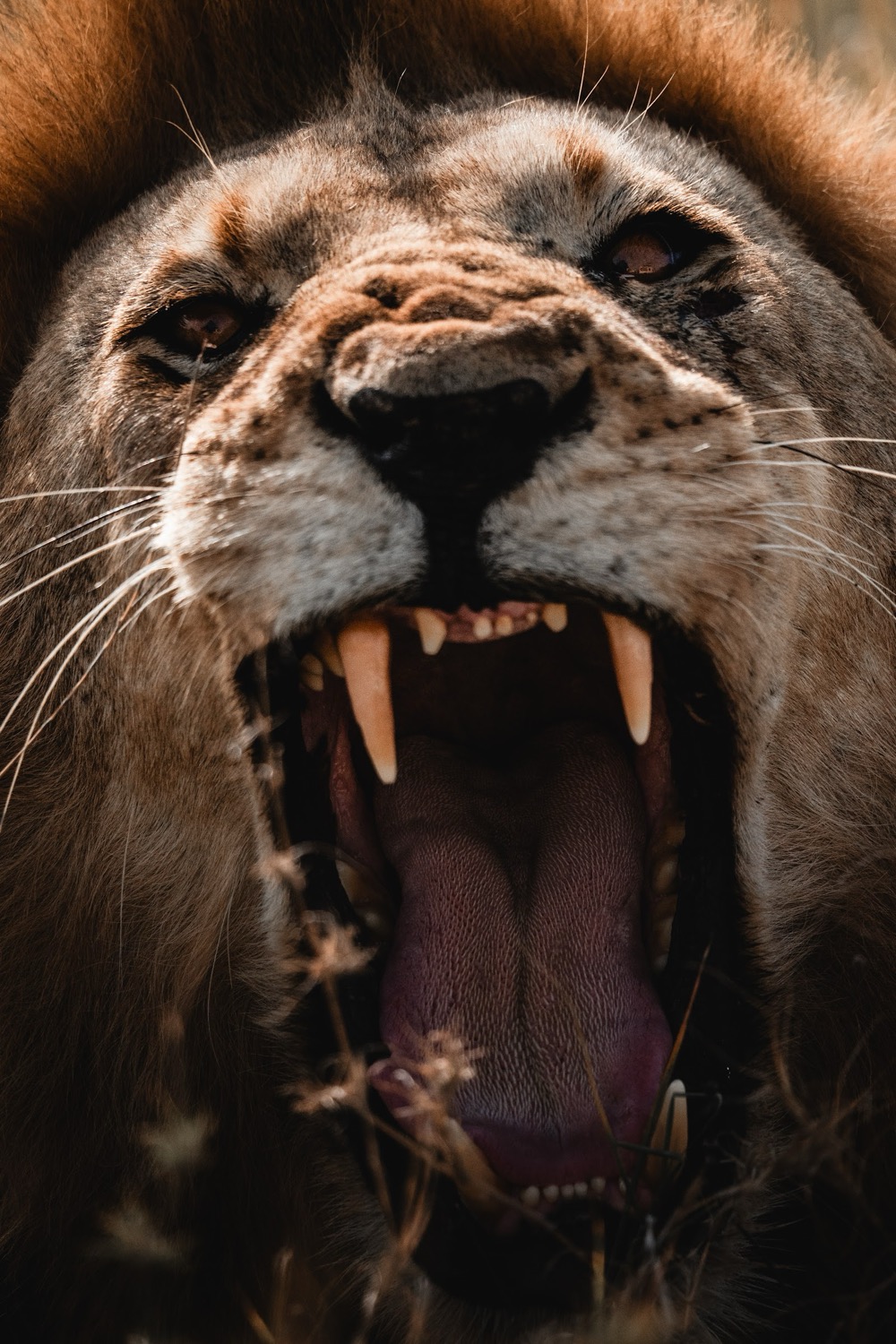
If you're flying, the Ol Kiombo airstrip (inside the Mara North Conservancy) serves camps like Sanctuary Olonana and gives you a different entry to the ecosystem than the main Keekorok strip near the OTC reserve. The conservancy land matters: it has lower vehicle density and no park fee cap on night drives, which the national reserve prohibits. On our last group trip through there in September, we counted six lion sightings before lunch on day two, three in the conservancy, three just inside the reserve boundary.
Amboseli, added to the end of a Mara trip, adds two nights minimum to genuinely experience it. The Kilimanjaro view is famous for disappearing behind clouds by mid-morning, by 9am in July, it's often already gone. Observation Hill, just outside the main park loop, gives you the mountain and the swamp view together and is worth building your first morning around before the haze settles. This isn't something most operators mention in advance, but it's the kind of call a good guide makes on the day.
The Decision Matrix: Three Scenarios
You have 7–9 days and this is genuinely your first time in Africa. Book the Masai Mara. Three full game drive days. Fly in and out if the budget allows, the road transfer time on a first visit is simply not worth the saving. You'll land, feel the Mara hit you immediately, and have enough days to go beyond the reflex sightings and start reading animal behaviour. Don't add Amboseli on this trip; save it for the return.
You have 10–12 days and want ecological variety. Tanzania's Northern Circuit is built for this. Tarangire for elephants and baobabs (wildly underrated, the camp density is a fraction of the Serengeti and the landscapes are extraordinary), Ngorongoro Crater for its sheer improbability, and the Serengeti for scale. Skip Lake Manyara if you need to cut a stop; the other three give a complete picture on their own. For pricing context and how to mix camp categories on this circuit, see our Tanzania safari cost guide.
You have 14 days and want the full picture. Combine both. Four nights Masai Mara, cross to Tanzania, four nights Serengeti via Ngorongoro, two nights Tarangire. The specific border logistics, Namanga crossing, eTA and visa requirements, how to position the flying legs, are all in the combined trip guide. What to know before reading that: book the Tanzania legs first. Camp availability in Serengeti and Ngorongoro, especially at the level worth staying at, fills faster than the Kenya side.
Ready to explore Tanzania's Northern Circuit?
Our Tanzania - Crossroads of the Great Migration route covers the key parks in a well-paced sequence, with logistics already worked out for first-time visitors. 9 days, from 3.350 € per person. Tanzania - Crossroads of the Great Migration
On Operators and Guides, What First-Timers Don't Think to Ask
Most beginner questions focus on parks and prices. The question that actually determines whether a first safari is extraordinary or merely fine: who is your guide?
Ask your operator, before booking, for the guide's full name and where they trained. Kenya's best guides hold KWS Senior Guides licenses. Tanzania's top guides often come through the Tanzania Wildlife College in Mweka, near Moshi. Neither credential is a guarantee, but asking the question reveals whether the operator actually knows their guide team or is just allocating whoever's free. On a trip we ran to Ngorongoro in late 2027, our guide, Patrick, originally from the Arusha region, trained at Mweka, identified a black rhino on a far ridge that we'd have driven straight past. That kind of knowledge doesn't come from a vehicle with a good suspension and a roof hatch.

For everything on what to look for in an operator, guide qualifications, and how to read reviews critically, we've written a full practical guide to safari planning that goes deeper than we can here.
How Long Should a First Safari Be?
Seven nights is the floor. Below that, you're paying a lot of money to feel rushed. Ten to fourteen is where it becomes genuinely immersive, enough time to stop looking for animals and start watching them.
When to Go: The Short Version
Dry seasons, late June to October and January to March, are the right call for a first visit. The detail on exactly which weeks work best, how the Migration timing affects which park you prioritise, and what happens in the shoulder seasons is covered properly in our Kenya seasonality guide and Tanzania month-by-month breakdown. Read those before you book dates.
Frequently Asked Questions
Start your first safari the right way
Our Kenya - Star Route is designed for first-timers who want the full experience without the overwhelm: the right parks, the right pacing, and expert guides throughout. Tanzania
East Africa Safari Routes for Beginners: How to Choose Without the Overwhelm
You've got a trip window. Maybe 10 days, maybe two weeks. You've been told you need to go to the Serengeti, or maybe the Masai Mara, or possibly both, and the more you read, the less certain you feel. That's the exact moment this article is written for.
The fundamental problem with most East Africa safari planning content is that it tries to cover everything. This one doesn't. What we're going to do here is help you make one decision: which route to start with, and why. The detailed cost breakdowns, seasonality charts, and Kenya vs Tanzania debates live in separate articles, linked below, because they deserve proper attention, not a paragraph squeezed between ten other topics.
What Makes a Route Right for a First-Timer?
Not complexity, accessibility. The best beginner route isn't the one with the most parks or the longest wildlife list. It's the one where logistics don't eat your holiday. Short internal transfers. Camps that don't close unpredictably. A guide who actually teaches you to read the bush, not just spots animals.
One thing we've learned running trips out of Nairobi and Arusha for years: the single biggest source of first-timer frustration isn't missing a leopard. It's arriving at a camp exhausted after a six-hour road transfer that was sold as three, or getting stuck between parks on a route that looked clean on a map but involves two river crossings and a broken bridge in the wet season. Route architecture matters before anything else.
The First Question: Kenya or Tanzania?
Answer this first, and everything else falls into place. The short version: Kenya is easier to navigate on a shorter trip; Tanzania rewards more time. If you have 7–9 days, Kenya. If you have 10–14 days and want ecological variety, Tanzania's Northern Circuit. If you have two weeks and want both, a combined trip is very doable, but there are specific logistical decisions involved that we cover in detail in our combined Kenya–Tanzania safari guide.
For Tanzania's Northern Circuit specifically, Tarangire, Lake Manyara, Ngorongoro, Serengeti, the 10-day sequencing works beautifully and we've broken it down properly in our Tanzania in 10 days itinerary, 9 days, from 3.350 € per person. What we'll add here that isn't in that article: the entry point matters enormously. Flying into Kilimanjaro International and driving to Tarangire the same afternoon sets you up for a productive first morning. Flying into Arusha and spending a night in town first doesn't, it burns a full day and Arusha itself offers nothing wildlife-wise for a transit stop.
The Kenya Route That Consistently Works Best for First Visits
Masai Mara anchored, with Amboseli added if time allows. That's the structure. Here's the part that actually matters in practice:
If you're road-transferring to the Mara from Nairobi, which takes 4.5 to 6 hours depending on traffic and road condition, enter via the Ololaimutia gate, not Sekenani. Sekenani adds an extra 45 minutes from the Narok direction and puts you on rougher roads for the final stretch. Most Nairobi-based operators default to it without flagging the alternative. Ololaimutia is faster and drops you into better game-viewing territory immediately.
If you're flying, the Ol Kiombo airstrip (inside the Mara North Conservancy) serves camps like Sanctuary Olonana and gives you a different entry to the ecosystem than the main Keekorok strip near the OTC reserve. The conservancy land matters: it has lower vehicle density and no park fee cap on night drives, which the national reserve prohibits. On our last group trip through there in September, we counted six lion sightings before lunch on day two, three in the conservancy, three just inside the reserve boundary.
Amboseli, added to the end of a Mara trip, adds two nights minimum to genuinely experience it. The Kilimanjaro view is famous for disappearing behind clouds by mid-morning, by 9am in July, it's often already gone. Observation Hill, just outside the main park loop, gives you the mountain and the swamp view together and is worth building your first morning around before the haze settles. This isn't something most operators mention in advance, but it's the kind of call a good guide makes on the day.
The Decision Matrix: Three Scenarios
You have 7–9 days and this is genuinely your first time in Africa. Book the Masai Mara. Three full game drive days. Fly in and out if the budget allows, the road transfer time on a first visit is simply not worth the saving. You'll land, feel the Mara hit you immediately, and have enough days to go beyond the reflex sightings and start reading animal behaviour. Don't add Amboseli on this trip; save it for the return.
You have 10–12 days and want ecological variety. Tanzania's Northern Circuit is built for this. Tarangire for elephants and baobabs (wildly underrated, the camp density is a fraction of the Serengeti and the landscapes are extraordinary), Ngorongoro Crater for its sheer improbability, and the Serengeti for scale. Skip Lake Manyara if you need to cut a stop; the other three give a complete picture on their own. For pricing context and how to mix camp categories on this circuit, see our Tanzania safari cost guide.
You have 14 days and want the full picture. Combine both. Four nights Masai Mara, cross to Tanzania, four nights Serengeti via Ngorongoro, two nights Tarangire. The specific border logistics, Namanga crossing, eTA and visa requirements, how to position the flying legs, are all in the combined trip guide. What to know before reading that: book the Tanzania legs first. Camp availability in Serengeti and Ngorongoro, especially at the level worth staying at, fills faster than the Kenya side.
Ready to explore Tanzania's Northern Circuit?
Our Tanzania - Crossroads of the Great Migration route covers the key parks in a well-paced sequence, with logistics already worked out for first-time visitors. 9 days, from 3.350 € per person. Tanzania - Crossroads of the Great Migration
On Operators and Guides, What First-Timers Don't Think to Ask
Most beginner questions focus on parks and prices. The question that actually determines whether a first safari is extraordinary or merely fine: who is your guide?
Ask your operator, before booking, for the guide's full name and where they trained. Kenya's best guides hold KWS Senior Guides licenses. Tanzania's top guides often come through the Tanzania Wildlife College in Mweka, near Moshi. Neither credential is a guarantee, but asking the question reveals whether the operator actually knows their guide team or is just allocating whoever's free. On a trip we ran to Ngorongoro in late 2027, our guide, Patrick, originally from the Arusha region, trained at Mweka, identified a black rhino on a far ridge that we'd have driven straight past. That kind of knowledge doesn't come from a vehicle with a good suspension and a roof hatch.
For everything on what to look for in an operator, guide qualifications, and how to read reviews critically, we've written a full practical guide to safari planning that goes deeper than we can here.
How Long Should a First Safari Be?
Seven nights is the floor. Below that, you're paying a lot of money to feel rushed. Ten to fourteen is where it becomes genuinely immersive, enough time to stop looking for animals and start watching them.
When to Go: The Short Version
Dry seasons, late June to October and January to March, are the right call for a first visit. The detail on exactly which weeks work best, how the Migration timing affects which park you prioritise, and what happens in the shoulder seasons is covered properly in our Kenya seasonality guide and Tanzania month-by-month breakdown. Read those before you book dates.
Frequently Asked Questions
Start your first safari the right way
Our Kenya - Star Route is designed for first-timers who want the full experience without the overwhelm: the right parks, the right pacing, and expert guides throughout. Tanzania








.png)