






The Great Migration is one of the most impressive events of wildlife in Africa. Each year, more than two million wild animals such as nyus, zebras and gazelles undertake a circular journey through the Serengeti National Park, in Tanzania, and the Masai Mara Reserve, in Kenya, in search of green pastures and fresh water.
Witnessing this phenomenon during a safari is not only a shocking visual experience, but also emotional and ecological. Understanding when and where each stage takes place can completely transform your journey, allowing you to observe from births to spectacular action-packed river crossings.
What is the Great Migration?
TheGreat Migration is a migratory cycle starring millions of herbivores that move following the pattern of rains, between the Serengeti and the Masai Mara. Along the way, they have to face natural obstacles and predators such as lions, leopards, crocodiles and hyenas.
This journey is not linear, but an annual circuit that responds to climate change and the growth of pastures. Every moment of the tour represents a unique opportunity for travelers who want Experience an authentic safariand in direct contact with African nature.
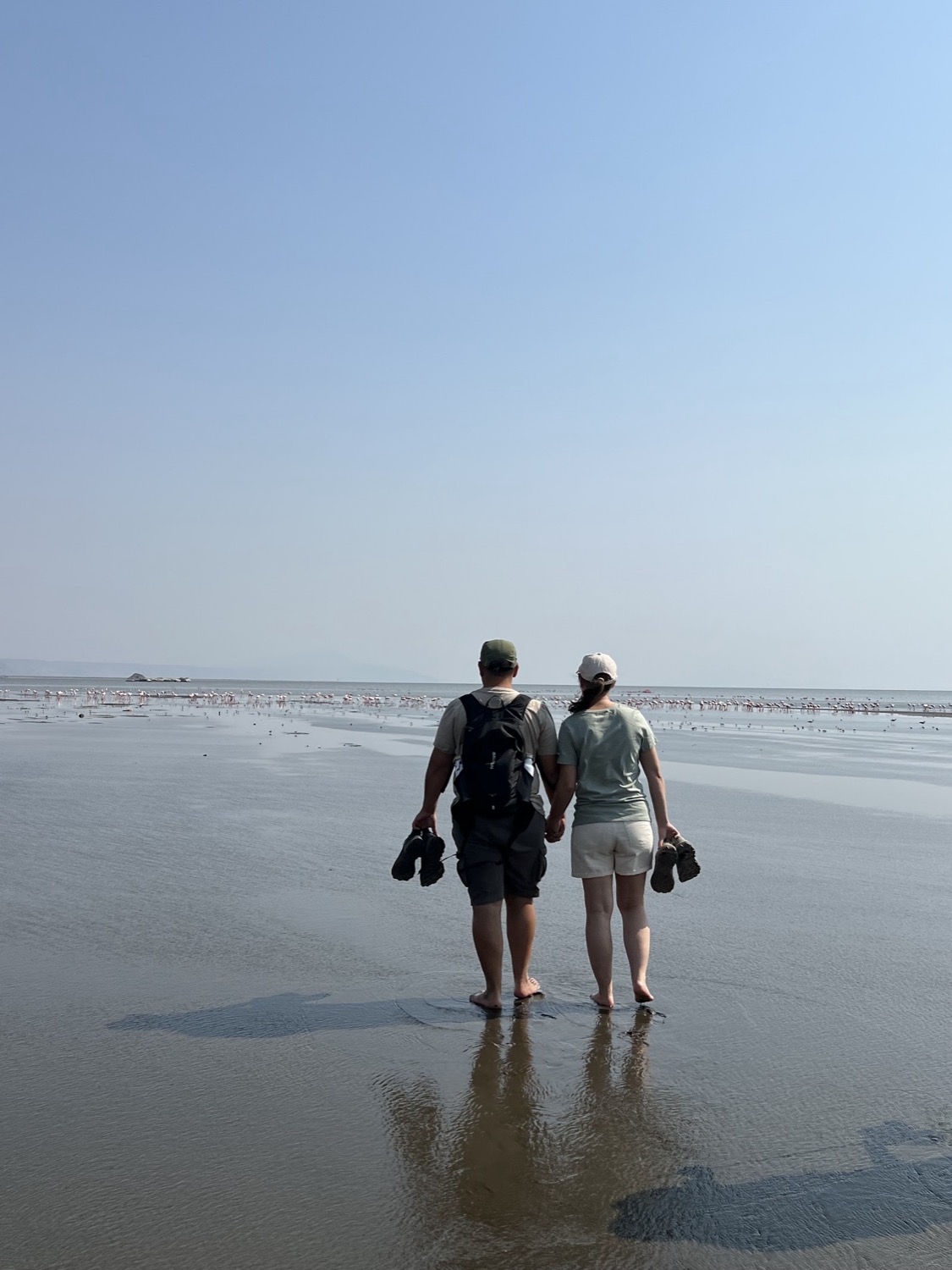
Your photography adventure starts here
What it's like to live a safari and see the Great Migration in Tanzania
Make one safarisDuring the Great Migration it is a daily adventure full of emotions, where the sounds of the savannah, the golden colors of the dawn and the constant presence of wild animals are combined.
Safari days usually begin in the early morning, when the golden light floods the savannah and the animals are most active. Accompanied by safari guides, who know in depth the terrain and the habits of the local fauna, you will go in search of unique experiences, such as:
- Flocks on the move: Observe how large groups of herbivores roam the savannah in search of food and water.
- Predators on the prowl: Witness the cunning of lions, leopards or hyenas in the middle of the hunt, thanks to the knowledge of local guides.
- Newborn cubs: Enjoy the tenderness of seeing small animals taking their first steps in nature.
Between each outing, you will have time to relax and enjoy the amenities of the camp, preparing for the next adventure. You can choose between different types oflodging:
- Mobile camps: They follow the path of the animals and place you in the heart of the action, perfect for those looking for a more immersive experience.
- Permanent Lodges: They offer more comfort and complete services, ideal for those who want to combine adventure with comfort.
Why choose locally owned accommodations on your safari?
When can I see the Great Migration?
The Great Migration follows an annual cycle marked by the rainy season and the availability of fresh pastures. Knowing the stages month by month allows you to choose the safari experiencesthat interest you the most, be it seeing births, great crossings or the interaction of wildlife in its fullest expression.
January, March: Births in Ndutu(South Serengeti)
During the first months of the year, the open plains of the south of the Serengeti National Park, near Ndutu and Lake Manyara, are filled with new life. It is estimated that up to 8,000 nyu cubs can be born a day, in a real explosion of life.
This is an ideal time for Photographic safari trips, 8 days, from 2.750 € per person, as it is also a season of intense activity of large predators. Despite being a low season in tourism, it is an intimate and impactful phase of the life cycle of herds.
April, May: Heading to the Western Corridor
With the arrival of the rains, the herds begin their journey to the west of the Serengeti, slowly moving towards the western corridor. It is a transitional period in the middle of the rainy season, with terrain that can be more complicated to navigate.
Still, this stage offers quieter safari experiences, with fewer visitors and green landscapes where wildlife moves calmly through the grassy plains.
June: Crossing the Grumeti River
During the dry season, the first major migratory tensions are experienced on the Grumeti River. A dramatic crossing takes place here in which crocodiles wait for herds to cross the water on their route north.
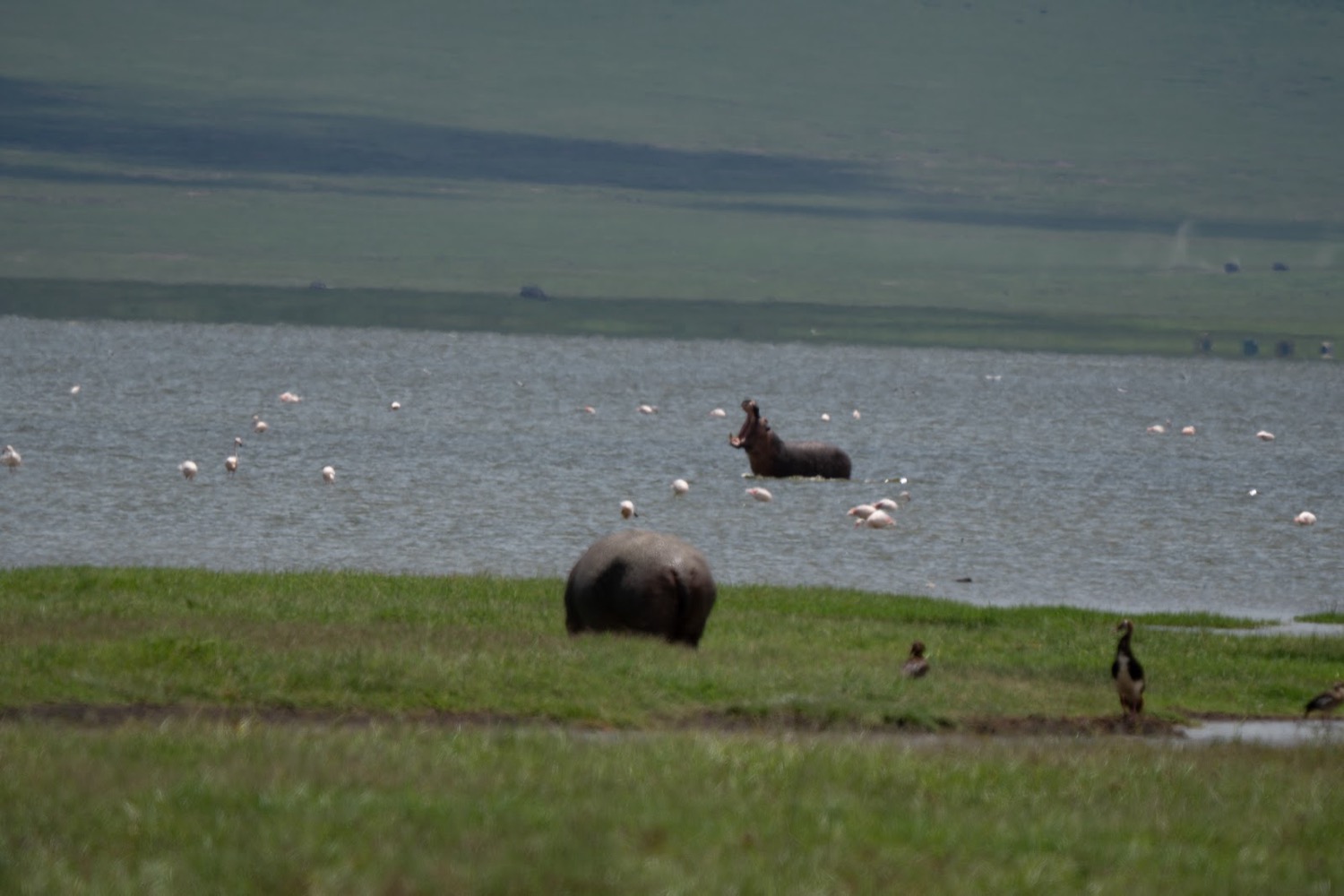
It is a less crowded stage than the crossing of the Mara, but perfect for those looking for intense moments in quieter environments, with good observation of fauna and excellent access from the lodges of the western Serengeti.
July, October: Crossing the Mara River (Masai Mara)
This is the peak safari season, between July and October, when travelers from around the world arrive to witness the iconic crossing of the Mara River into Kenya's Masai Mara Nature Reserve.
The scene is of a striking intensity, with endless columns of nyus and zebras throwing themselves into the river as crocodiles and big cats wait on both banks, attentive to any opportunity. At the peak of migration, wildlife unfolds one of the most impressive and dramatic spectacles on the African continent, with millions of animals struggling to survive and perpetuate the natural cycle of the savannah.
November, December: Return to the Serengeti
Towards the end of November, the first rains from the south announce the return journey of the herds to the Serengeti, closing the circle of the migratory year. The animals cross the natural border again, leaving the Masai Mara to return to southern Tanzania.
It is a good time to avoid the crowds and observe how the migratory route completes its turn, just before the next birth cycle. It is a special time for safari trips with a more intimate and contemplative approach.
Witness the Great Migration for yourself
Our Tanzania crossing route puts you at the heart of the action, with expert local guides and carefully chosen camps along the migratory corridor. 9 days, from 3.350 € per person. Tanzania - Crossroads of the Great Migration
What is and how is the carbon footprint on a safari?
Where to see migration? (Guide by region and stage)
Tanzania: Serengeti
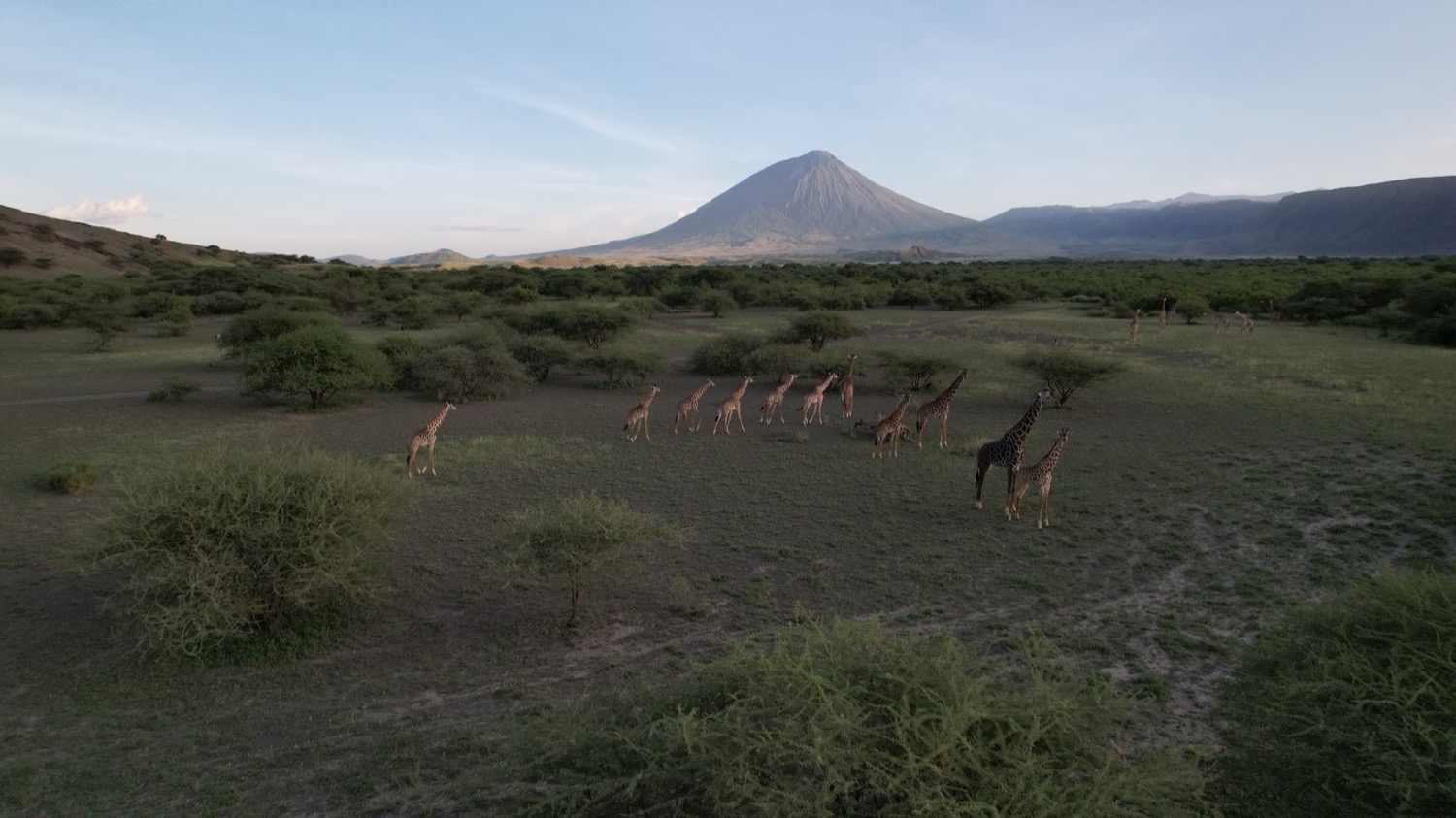
The Serengeti National Park is the epicenter of this stunning natural spectacle. This is where the great migrations begin and end, with millions of animals moving in long columns visible from miles away. The ideal areas to observe this phenomenon vary according to the season of the year, as the herds move in search of fresh pastures and water.
- January to March: Ndutu region, ideal for watching births amid abundant fresh grass.
- April to June: Western corridor, in the direction of Lake Victoria, with fewer tourists and an excellent sighting.
- November to December: The north and east of the park are once again filled with life as herds return to look for pastures.
The experience here is wilder and more extensive, ideal for those who want a trip full of immense landscapes and moving wildlife.
Kenya: Masai Mara
The Masai Mara National Reserve becomes, between July and October, the scene of the legendary crossings of the Mara River. Witnessing thousands of nyus and zebras throwing themselves into the water, defying the current and predators waiting on the shores, is one of nature's greatest spectacles and a true celebration of life and survival.
Although the Masai Mara is more compact than the Serengeti, its density of fauna is surprising. This allows you to enjoy a much more intense and close experience, ideal for those who seek to capture the migratory drama in all its splendor, with photogenic scenes and moments full of emotion.
Differences between a safari and a photo safari
9 practical tips for planning your trip
- Book your safari in advance: During the high season, accommodations and excursions fill up quickly, so secure your spot in good time.
- Choose a responsible travel agency: Search for operators who support conservation projects and contract Local guides. In this way you contribute to protecting the fauna and the environment, and you help the communities that live there.
- Consider staying in mobile camps: These camps are located close to migratory routes, allowing you to be in the heart of the action and live a more authentic experience.
- It has binoculars and a camera with good zoom: So you can observe details from a distance and capture unforgettable images of wildlife.
- Early morning departure: The early hours of the day offer the best light for photography and more animal activity.
- Be patient during river crossings: It may take time for the animals to decide to cross, but the wait is usually rewarded with spectacular scenes.
- Dress with comfortable clothes in neutral colors: This will help you blend in with the environment and protect you from the sun and insects.
- Don't forget sunscreen, cap and repellent: The weather can be intense and protection is essential to fully enjoy the exits.
- Always follow the directions of your guide: Stay inside the vehicle and respect nature to ensure your safety and that of the animals.
Frequently Asked Questions: Safari in Tanzaniain Kenya
Do I need to get vaccinated before traveling to Kenya or Tanzania?
Yes, it is advisable to consult with your international vaccination center. The vaccinesThe most common are yellow fever and malaria prophylaxis.
How can I make sure my safari trip is sustainable?
Choose agencies and operators that support conservation projects and contract Local guides. In this way you contribute to the protection of wildlife and the development of communities.
It is recommended to leave tipto the guides and drivers of the safari?
Yes, it is usual and very grateful. Check with your agency for the recommended amount, as it may vary depending on the service.
How much does a safari in Kenya or Tanzania cost?
The price of the safari varies depending on the country, the type of accommodationand duration, but usually ranges from 200 to 500 euros per person for standard multi-day options, and can be higher on luxury safaris.
What makes the Great Migration different from other safaris in Africa?
The Great Migration is unique because it allows you to witness a true natural wonder: millions of migratory animals moving together, crossing rivers and facing challenges in a spectacular life cycle that is not repeated anywhere else in the world.
Tips on safari in Tanzania: When to give and to whom?
Book your safari with Trio Travel
Witnessing the Great Migration in Tanzania is one of nature's most breathtaking spectacles, and doing so with Watatu Travel makes this experience truly unforgettable. Imagine being in the right place, camera in hand, as thousands of nyus, zebras and gazelles cross the vast plains of the Serengeti in search of new pastures, closely followed by predators in full action.
Traveling with Watatu Travel is to immerse yourself in a different way of exploring Africa: closer, more human and deeply connected to the environment. Each safari routeis designed with respect for nature and local cultures, allowing you to live authentic experiences.
Ready to plan your safari?
Join us on a carefully crafted journey through Tanzania's most iconic landscapes, designed with respect for nature and the communities that call it home. 9 days, from 3.350 € per person. Tanzania - Crossroads of the Great Migration
The Great Migration is one of the most impressive events of wildlife in Africa. Each year, more than two million wild animals such as nyus, zebras and gazelles undertake a circular journey through the Serengeti National Park, in Tanzania, and the Masai Mara Reserve, in Kenya, in search of green pastures and fresh water.
Witnessing this phenomenon during a safari is not only a shocking visual experience, but also emotional and ecological. Understanding when and where each stage takes place can completely transform your journey, allowing you to observe from births to spectacular action-packed river crossings.
What is the Great Migration?
TheGreat Migration is a migratory cycle starring millions of herbivores that move following the pattern of rains, between the Serengeti and the Masai Mara. Along the way, they have to face natural obstacles and predators such as lions, leopards, crocodiles and hyenas.
This journey is not linear, but an annual circuit that responds to climate change and the growth of pastures. Every moment of the tour represents a unique opportunity for travelers who want Experience an authentic safariand in direct contact with African nature.
Your photography adventure starts here
What it's like to live a safari and see the Great Migration in Tanzania
Make one safarisDuring the Great Migration it is a daily adventure full of emotions, where the sounds of the savannah, the golden colors of the dawn and the constant presence of wild animals are combined.
Safari days usually begin in the early morning, when the golden light floods the savannah and the animals are most active. Accompanied by safari guides, who know in depth the terrain and the habits of the local fauna, you will go in search of unique experiences, such as:
- Flocks on the move: Observe how large groups of herbivores roam the savannah in search of food and water.
- Predators on the prowl: Witness the cunning of lions, leopards or hyenas in the middle of the hunt, thanks to the knowledge of local guides.
- Newborn cubs: Enjoy the tenderness of seeing small animals taking their first steps in nature.
Between each outing, you will have time to relax and enjoy the amenities of the camp, preparing for the next adventure. You can choose between different types oflodging:
- Mobile camps: They follow the path of the animals and place you in the heart of the action, perfect for those looking for a more immersive experience.
- Permanent Lodges: They offer more comfort and complete services, ideal for those who want to combine adventure with comfort.
Why choose locally owned accommodations on your safari?
When can I see the Great Migration?
The Great Migration follows an annual cycle marked by the rainy season and the availability of fresh pastures. Knowing the stages month by month allows you to choose the safari experiencesthat interest you the most, be it seeing births, great crossings or the interaction of wildlife in its fullest expression.
January, March: Births in Ndutu(South Serengeti)
During the first months of the year, the open plains of the south of the Serengeti National Park, near Ndutu and Lake Manyara, are filled with new life. It is estimated that up to 8,000 nyu cubs can be born a day, in a real explosion of life.
This is an ideal time for Photographic safari trips, 8 days, from 2.750 € per person, as it is also a season of intense activity of large predators. Despite being a low season in tourism, it is an intimate and impactful phase of the life cycle of herds.
April, May: Heading to the Western Corridor
With the arrival of the rains, the herds begin their journey to the west of the Serengeti, slowly moving towards the western corridor. It is a transitional period in the middle of the rainy season, with terrain that can be more complicated to navigate.
Still, this stage offers quieter safari experiences, with fewer visitors and green landscapes where wildlife moves calmly through the grassy plains.
June: Crossing the Grumeti River
During the dry season, the first major migratory tensions are experienced on the Grumeti River. A dramatic crossing takes place here in which crocodiles wait for herds to cross the water on their route north.
It is a less crowded stage than the crossing of the Mara, but perfect for those looking for intense moments in quieter environments, with good observation of fauna and excellent access from the lodges of the western Serengeti.
July, October: Crossing the Mara River (Masai Mara)
This is the peak safari season, between July and October, when travelers from around the world arrive to witness the iconic crossing of the Mara River into Kenya's Masai Mara Nature Reserve.
The scene is of a striking intensity, with endless columns of nyus and zebras throwing themselves into the river as crocodiles and big cats wait on both banks, attentive to any opportunity. At the peak of migration, wildlife unfolds one of the most impressive and dramatic spectacles on the African continent, with millions of animals struggling to survive and perpetuate the natural cycle of the savannah.
November, December: Return to the Serengeti
Towards the end of November, the first rains from the south announce the return journey of the herds to the Serengeti, closing the circle of the migratory year. The animals cross the natural border again, leaving the Masai Mara to return to southern Tanzania.
It is a good time to avoid the crowds and observe how the migratory route completes its turn, just before the next birth cycle. It is a special time for safari trips with a more intimate and contemplative approach.
Witness the Great Migration for yourself
Our Tanzania crossing route puts you at the heart of the action, with expert local guides and carefully chosen camps along the migratory corridor. 9 days, from 3.350 € per person. Tanzania - Crossroads of the Great Migration
What is and how is the carbon footprint on a safari?
Where to see migration? (Guide by region and stage)
Tanzania: Serengeti
The Serengeti National Park is the epicenter of this stunning natural spectacle. This is where the great migrations begin and end, with millions of animals moving in long columns visible from miles away. The ideal areas to observe this phenomenon vary according to the season of the year, as the herds move in search of fresh pastures and water.
- January to March: Ndutu region, ideal for watching births amid abundant fresh grass.
- April to June: Western corridor, in the direction of Lake Victoria, with fewer tourists and an excellent sighting.
- November to December: The north and east of the park are once again filled with life as herds return to look for pastures.
The experience here is wilder and more extensive, ideal for those who want a trip full of immense landscapes and moving wildlife.
Kenya: Masai Mara
The Masai Mara National Reserve becomes, between July and October, the scene of the legendary crossings of the Mara River. Witnessing thousands of nyus and zebras throwing themselves into the water, defying the current and predators waiting on the shores, is one of nature's greatest spectacles and a true celebration of life and survival.
Although the Masai Mara is more compact than the Serengeti, its density of fauna is surprising. This allows you to enjoy a much more intense and close experience, ideal for those who seek to capture the migratory drama in all its splendor, with photogenic scenes and moments full of emotion.
Differences between a safari and a photo safari
9 practical tips for planning your trip
- Book your safari in advance: During the high season, accommodations and excursions fill up quickly, so secure your spot in good time.
- Choose a responsible travel agency: Search for operators who support conservation projects and contract Local guides. In this way you contribute to protecting the fauna and the environment, and you help the communities that live there.
- Consider staying in mobile camps: These camps are located close to migratory routes, allowing you to be in the heart of the action and live a more authentic experience.
- It has binoculars and a camera with good zoom: So you can observe details from a distance and capture unforgettable images of wildlife.
- Early morning departure: The early hours of the day offer the best light for photography and more animal activity.
- Be patient during river crossings: It may take time for the animals to decide to cross, but the wait is usually rewarded with spectacular scenes.
- Dress with comfortable clothes in neutral colors: This will help you blend in with the environment and protect you from the sun and insects.
- Don't forget sunscreen, cap and repellent: The weather can be intense and protection is essential to fully enjoy the exits.
- Always follow the directions of your guide: Stay inside the vehicle and respect nature to ensure your safety and that of the animals.
Frequently Asked Questions: Safari in Tanzaniain Kenya
Do I need to get vaccinated before traveling to Kenya or Tanzania?
Yes, it is advisable to consult with your international vaccination center. The vaccinesThe most common are yellow fever and malaria prophylaxis.
How can I make sure my safari trip is sustainable?
Choose agencies and operators that support conservation projects and contract Local guides. In this way you contribute to the protection of wildlife and the development of communities.
It is recommended to leave tipto the guides and drivers of the safari?
Yes, it is usual and very grateful. Check with your agency for the recommended amount, as it may vary depending on the service.
How much does a safari in Kenya or Tanzania cost?
The price of the safari varies depending on the country, the type of accommodationand duration, but usually ranges from 200 to 500 euros per person for standard multi-day options, and can be higher on luxury safaris.
What makes the Great Migration different from other safaris in Africa?
The Great Migration is unique because it allows you to witness a true natural wonder: millions of migratory animals moving together, crossing rivers and facing challenges in a spectacular life cycle that is not repeated anywhere else in the world.
Tips on safari in Tanzania: When to give and to whom?
Book your safari with Trio Travel
Witnessing the Great Migration in Tanzania is one of nature's most breathtaking spectacles, and doing so with Watatu Travel makes this experience truly unforgettable. Imagine being in the right place, camera in hand, as thousands of nyus, zebras and gazelles cross the vast plains of the Serengeti in search of new pastures, closely followed by predators in full action.
Traveling with Watatu Travel is to immerse yourself in a different way of exploring Africa: closer, more human and deeply connected to the environment. Each safari routeis designed with respect for nature and local cultures, allowing you to live authentic experiences.
Ready to plan your safari?
Join us on a carefully crafted journey through Tanzania's most iconic landscapes, designed with respect for nature and the communities that call it home. 9 days, from 3.350 € per person. Tanzania - Crossroads of the Great Migration

.jpeg)

.avif)






.png)