





African Safari Honeymoon 2027: Real Costs, Booking Timing & the Tanzania+Zanzibar Formula
Last October we had a couple, let's call them Marta and James, fly in from London for their first safari together, three weeks after their wedding. We'd put them in a private tent at Lemala Mpingo Ridge in the southern Serengeti. On their second game drive, around 7am, their guide found a leopard with two cubs draped across an acacia branch not forty metres from the vehicle. Marta went completely silent. Then she cried. James later told us it was the moment the honeymoon became real for them, not the wedding, not the flight, that leopard at dawn.
| Recommended trip length | 12 nights (7 safari + 5 beach) |
| Best booking window (peak season) | 12+ months in advance |
| Peak wildlife season | July to October (river crossings) |
| Calving season | January to February (southern Serengeti) |
| Park fees (Serengeti) | $100–150 per person per day |
| Luxury budget (per person) | $12,000–20,000 all-in excluding flights |
| Flight time, Serengeti to Zanzibar | approx. 90 minutes |
We tell that story because it captures what separates a safari honeymoon from every other kind of trip. The emotion is unscripted. You cannot engineer it. But you absolutely can put yourselves in a position where it becomes possible, and that is exactly what good planning does.
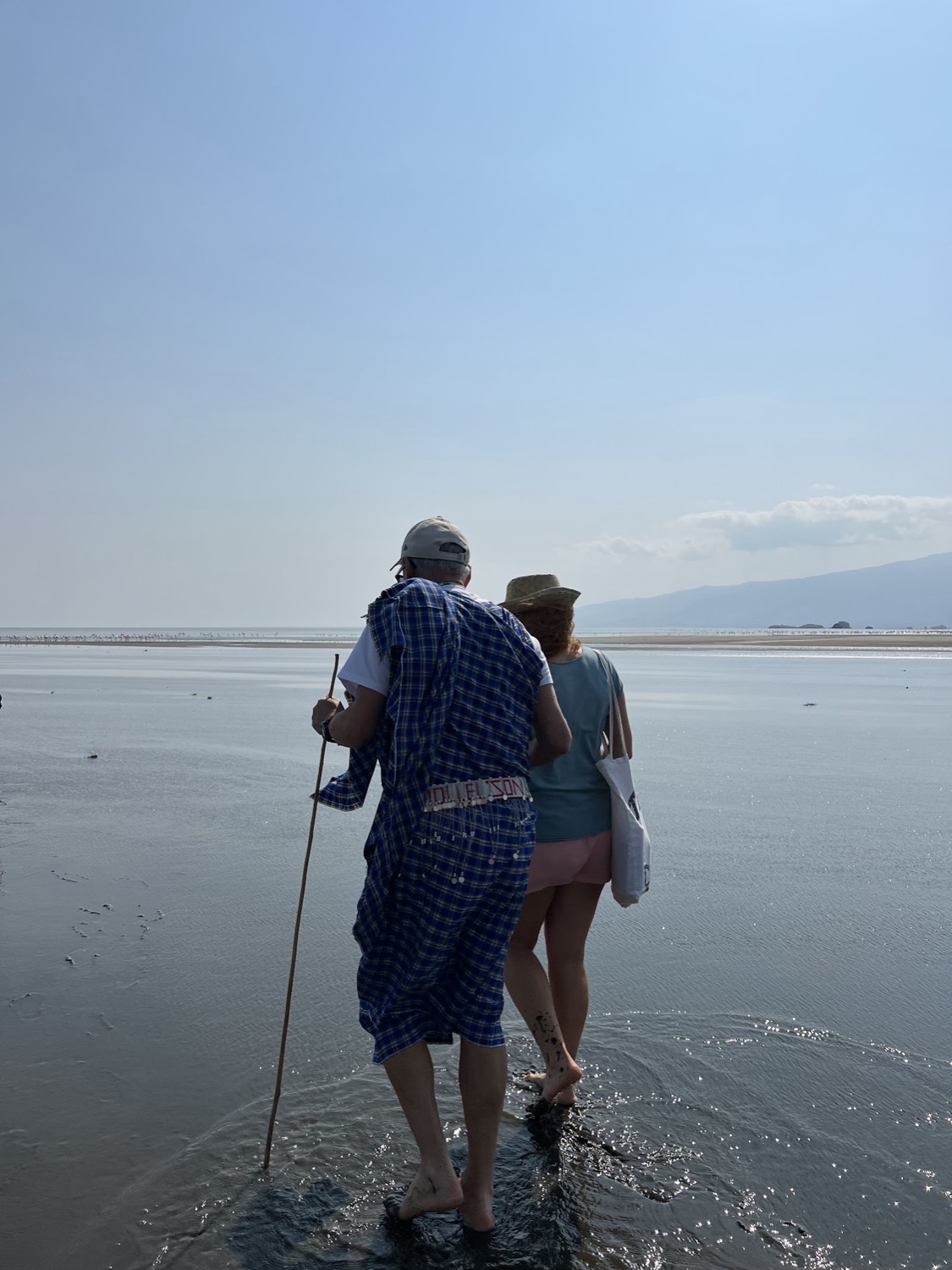
This article is specifically about the 2027 logistics: when to book, what things genuinely cost right now, and why the Tanzania+Zanzibar pairing remains our most-requested honeymoon structure. If you want a broader comparison of African safari destinations or seasonal guides for Kenya and Tanzania separately, we have those elsewhere on the site. This one is for couples who are ready to get serious about the details.
When Should You Book a Honeymoon Safari for 2027?
Earlier than you think. The best camps in the Serengeti, we're talking Singita Grumeti, Sanctuary Kichakani, Lemala, the smaller mobile camps, fill their peak season (July to October) by January or February of the same year. Some are already taking 2027 deposits now. If your wedding is summer 2027 and you want to honeymoon immediately after, the window to secure your first-choice camps is essentially open right now and will close by early spring.
For January–February 2027 travel (the calving season in the southern Serengeti, one of the most underrated wildlife events on earth), the booking window is shorter but still competitive. We'd say book by October 2027 at the absolute latest for those dates.
Zanzibar beach resorts are slightly more forgiving on availability, but the best private villas and boutique properties on the north and northeast coast fill up for December–January. Don't leave that to the last minute either.
What Does an African Honeymoon Safari Actually Cost in 2027?
Here are honest, current figures. These are per-person totals for a 12-night Tanzania+Zanzibar honeymoon, roughly four nights Serengeti, two nights Ngorongoro area or Tarangire, five nights Zanzibar, including accommodation, park fees, game drives, most meals, and domestic charter flights between destinations.
Mid-range (quality tented camps, shared game drives, 4-star Zanzibar resort): $6,000–9,000 per person. This is not budget travel. The camps are genuinely good, en-suite tents, hot showers, excellent food, but you'll share a vehicle with up to five other passengers and your camp may have thirty tents on site.
Luxury (smaller camps of 8–16 tents, private game drives, boutique beach property): $12,000–20,000 per person. This tier is where the honeymoon experience really clicks. Private vehicles mean you stay as long as you want at a sighting, the guiding is usually deeper, and the camps are intimate enough that staff remember your names on day one. Lemala Mpingo Ridge, where Marta and James stayed, sits at the lower end of this bracket.
Ultra-luxury (exclusive-use or near-exclusive properties, private air charter throughout): $25,000+ per person. Singita, Nomad Lamai, a private villa on Mnemba Island. The experience is extraordinary but the marginal gain over the luxury tier is mainly about space and privacy rather than wildlife quality.
Tanzania's park fees are not trivial, budget $100–150 per person per day in the Serengeti, on top of everything else. Over four days that's $400–600 per person in fees alone. Many operators quote all-inclusive rates that absorb this; always ask explicitly.
International flights from London, New York or Sydney are additional and not included in any of the above. From London, return flights to Kilimanjaro or Dar es Salaam typically run £900–1,600 per person depending on airline and timing. Book early, prices spike in the June–July school holiday window.
See Tanzania's wildlife for yourself
Our Tanzania classic safari is a popular starting point for couples planning their honeymoon itinerary. Dates for 2027 are filling fast. 6 days, from 2.095 € per person. Tanzania - Classic Safari
Why Tanzania+Zanzibar Works Better Than Any Other Honeymoon Formula
We've built honeymoon itineraries across most of Eastern and Southern Africa. Kenya is extraordinary. Botswana is more exclusive. Rwanda's gorilla permit is a singular experience that stands completely apart from anything else on the continent. But when couples ask us what delivers the most emotional range in two weeks, the widest contrast between heart-pounding and deeply restful, the Tanzania+Zanzibar answer comes back every time.
The structure almost builds itself. You land in Arusha, spend a night recovering, then head into the wildlife circuit. Four or five days in the Serengeti gives you enough time to see the migration (if you're there July–September), to do an early morning balloon flight if that appeals to you, and to simply sit by the fire at night and not think about anything at all. Add two nights at Ngorongoro or in Tarangire among the baobabs, and you've covered two very different landscapes and animal concentrations.
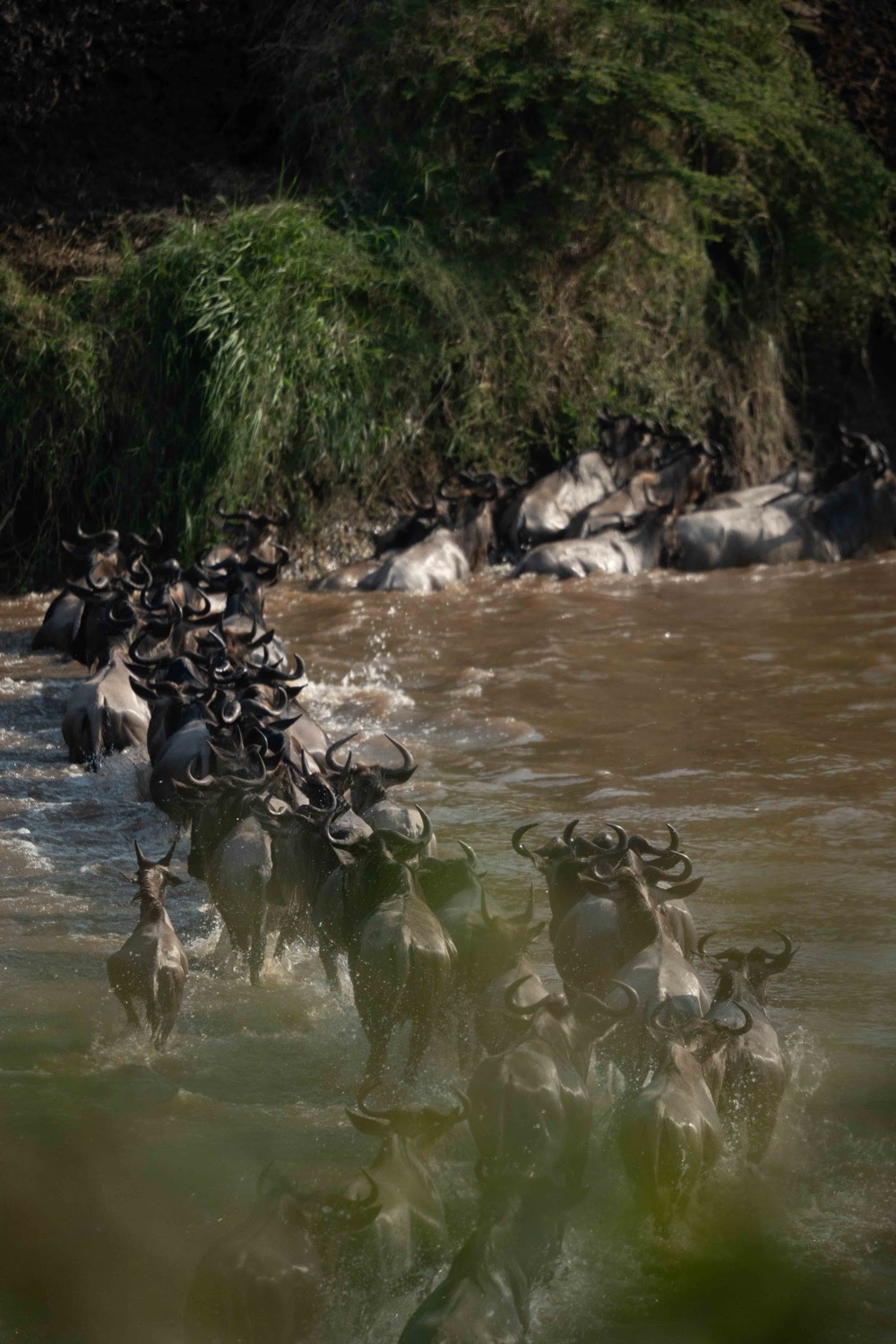
Then a 90-minute flight drops you into Zanzibar. Stone Town for a night, the food alone is worth it, the spiced rice and fresh tuna at the Emerson Spice rooftop is one of our favourite meals in all of Africa, and then north to Nungwi or northeast to Matemwe or Paje. The speed of decompression is remarkable. You go from watching lions hunt at 6am to floating in warm turquoise water by afternoon two days later. It works because the contrast is total, not gradual.
Which Camps Should You Actually Book?
We'll give you names rather than categories, because categories don't tell you anything useful.
In the central and southern Serengeti, Lemala Mpingo Ridge is excellent value at the luxury level, small, beautifully positioned, and the guiding team genuinely knows the area. Nomad Serengeti Safari Camp moves seasonally with the migration and is a step up in experience. For the northern Serengeti (river crossings, July–October), we often use Lamai Serengeti, the views from the kopjes are something you'll describe to people for years.
At Ngorongoro, &Beyond Ngorongoro Crater Lodge divides opinion aesthetically but is unambiguously romantic. The Highlands Camp above the crater rim, run by Nomad Tanzania, has some of the best guiding we've encountered anywhere. Couples who want a bush walk rather than another game drive almost always prefer it.
For Zanzibar, the Manta Resort on Pemba Island is a category unto itself, the underwater room is genuinely unlike anything else, and Pemba is quieter than Zanzibar main island. On Zanzibar itself, Matemwe Lodge suits couples who want something small and unfussy; Baraza Resort suits couples who want the full beach-luxury treatment.
What the Booking Process Actually Looks Like
Once you've confirmed dates and budget, the sequencing matters. Lock the Serengeti camp first, that's the bottleneck. Zanzibar properties can almost always be secured within a few weeks; the bush camps cannot. We typically need a 30–50% deposit to hold peak-season dates, with the balance due 60–90 days before travel. Cancellation policies have tightened since 2022, so comprehensive travel insurance is genuinely non-negotiable, not just a suggestion.
Visas: Tanzania requires a tourist visa ($50 for most nationalities, or covered under the East Africa Tourist Visa at $100 which also covers Kenya and Uganda, useful if you're combining). Yellow fever vaccination is required if you're arriving from a country with transmission risk. Take medical advice at least six weeks before departure for malaria prophylaxis recommendations specific to your itinerary.
As for safety: Tanzania's tourist areas, the northern circuit and Zanzibar, are stable and well-managed. The UK's FCDO currently advises normal precautions for mainland Tanzania and Zanzibar (check gov.uk/foreign-travel-advice/tanzania before you travel, since this can change). We update our internal guidance every quarter and won't book anyone into a region where we wouldn't go ourselves, and we can point to the specific FCDO or State Department status for every destination we sell.
Frequently Asked Questions: African Safari Honeymoon 2027
How far in advance should I book a safari honeymoon for 2027?
For peak season (July–October 2027), book now, the best camps fill by January or February of the travel year. For January–February 2027 travel, book by October 2027 at the latest. Zanzibar resorts have more availability but boutique properties still fill fast for December and January.
What is the best African honeymoon destination in 2027?
Tanzania paired with Zanzibar offers the widest emotional range in two weeks: dramatic wildlife in the Serengeti and Ngorongoro, then total decompression on the Indian Ocean. Kenya, Botswana and Rwanda are excellent alternatives depending on budget and specific interests, but the Tanzania+Zanzibar formula is our most-requested honeymoon structure for good reason.
How much does a Tanzania+Zanzibar honeymoon cost in 2027?
A 12-night luxury honeymoon (private game drives, small camps, boutique beach property) runs $12,000–20,000 per person including accommodation, park fees, domestic flights and most meals. Mid-range options start around $6,000–9,000 per person. International flights and travel insurance are additional.
When is the best time for a honeymoon safari in Tanzania?
July to October for the Great Migration river crossings in the northern Serengeti, the most dramatic wildlife spectacle on earth. January to February for the calving season in the southern Serengeti, which is spectacular and less crowded. Both are dry-season windows with excellent game viewing.
Should we book a private or shared vehicle for our honeymoon safari?
Private, without hesitation. A private vehicle means you set the pace, stay as long as you want at a sighting, and have genuinely personal interaction with your guide. Most luxury camps include it as standard; mid-range camps charge $100–200 extra per day. It is the single upgrade that makes the biggest difference to the experience.
Ready to plan your 2027 honeymoon safari?
Our Tanzania honeymoon specialists will help you lock in the right camps before availability disappears. Get in touch for a personalised quote. 8 days, from 2.750 € per person. Tanzania - The Breeding of the Great Migration
African Safari Honeymoon 2027: Real Costs, Booking Timing & the Tanzania+Zanzibar Formula
Last October we had a couple, let's call them Marta and James, fly in from London for their first safari together, three weeks after their wedding. We'd put them in a private tent at Lemala Mpingo Ridge in the southern Serengeti. On their second game drive, around 7am, their guide found a leopard with two cubs draped across an acacia branch not forty metres from the vehicle. Marta went completely silent. Then she cried. James later told us it was the moment the honeymoon became real for them, not the wedding, not the flight, that leopard at dawn.
| Recommended trip length | 12 nights (7 safari + 5 beach) |
| Best booking window (peak season) | 12+ months in advance |
| Peak wildlife season | July to October (river crossings) |
| Calving season | January to February (southern Serengeti) |
| Park fees (Serengeti) | $100–150 per person per day |
| Luxury budget (per person) | $12,000–20,000 all-in excluding flights |
| Flight time, Serengeti to Zanzibar | approx. 90 minutes |
We tell that story because it captures what separates a safari honeymoon from every other kind of trip. The emotion is unscripted. You cannot engineer it. But you absolutely can put yourselves in a position where it becomes possible, and that is exactly what good planning does.
This article is specifically about the 2027 logistics: when to book, what things genuinely cost right now, and why the Tanzania+Zanzibar pairing remains our most-requested honeymoon structure. If you want a broader comparison of African safari destinations or seasonal guides for Kenya and Tanzania separately, we have those elsewhere on the site. This one is for couples who are ready to get serious about the details.
When Should You Book a Honeymoon Safari for 2027?
Earlier than you think. The best camps in the Serengeti, we're talking Singita Grumeti, Sanctuary Kichakani, Lemala, the smaller mobile camps, fill their peak season (July to October) by January or February of the same year. Some are already taking 2027 deposits now. If your wedding is summer 2027 and you want to honeymoon immediately after, the window to secure your first-choice camps is essentially open right now and will close by early spring.
For January–February 2027 travel (the calving season in the southern Serengeti, one of the most underrated wildlife events on earth), the booking window is shorter but still competitive. We'd say book by October 2027 at the absolute latest for those dates.
Zanzibar beach resorts are slightly more forgiving on availability, but the best private villas and boutique properties on the north and northeast coast fill up for December–January. Don't leave that to the last minute either.
What Does an African Honeymoon Safari Actually Cost in 2027?
Here are honest, current figures. These are per-person totals for a 12-night Tanzania+Zanzibar honeymoon, roughly four nights Serengeti, two nights Ngorongoro area or Tarangire, five nights Zanzibar, including accommodation, park fees, game drives, most meals, and domestic charter flights between destinations.
Mid-range (quality tented camps, shared game drives, 4-star Zanzibar resort): $6,000–9,000 per person. This is not budget travel. The camps are genuinely good, en-suite tents, hot showers, excellent food, but you'll share a vehicle with up to five other passengers and your camp may have thirty tents on site.
Luxury (smaller camps of 8–16 tents, private game drives, boutique beach property): $12,000–20,000 per person. This tier is where the honeymoon experience really clicks. Private vehicles mean you stay as long as you want at a sighting, the guiding is usually deeper, and the camps are intimate enough that staff remember your names on day one. Lemala Mpingo Ridge, where Marta and James stayed, sits at the lower end of this bracket.
Ultra-luxury (exclusive-use or near-exclusive properties, private air charter throughout): $25,000+ per person. Singita, Nomad Lamai, a private villa on Mnemba Island. The experience is extraordinary but the marginal gain over the luxury tier is mainly about space and privacy rather than wildlife quality.
Tanzania's park fees are not trivial, budget $100–150 per person per day in the Serengeti, on top of everything else. Over four days that's $400–600 per person in fees alone. Many operators quote all-inclusive rates that absorb this; always ask explicitly.
International flights from London, New York or Sydney are additional and not included in any of the above. From London, return flights to Kilimanjaro or Dar es Salaam typically run £900–1,600 per person depending on airline and timing. Book early, prices spike in the June–July school holiday window.
See Tanzania's wildlife for yourself
Our Tanzania classic safari is a popular starting point for couples planning their honeymoon itinerary. Dates for 2027 are filling fast. 6 days, from 2.095 € per person. Tanzania - Classic Safari
Why Tanzania+Zanzibar Works Better Than Any Other Honeymoon Formula
We've built honeymoon itineraries across most of Eastern and Southern Africa. Kenya is extraordinary. Botswana is more exclusive. Rwanda's gorilla permit is a singular experience that stands completely apart from anything else on the continent. But when couples ask us what delivers the most emotional range in two weeks, the widest contrast between heart-pounding and deeply restful, the Tanzania+Zanzibar answer comes back every time.
The structure almost builds itself. You land in Arusha, spend a night recovering, then head into the wildlife circuit. Four or five days in the Serengeti gives you enough time to see the migration (if you're there July–September), to do an early morning balloon flight if that appeals to you, and to simply sit by the fire at night and not think about anything at all. Add two nights at Ngorongoro or in Tarangire among the baobabs, and you've covered two very different landscapes and animal concentrations.
Then a 90-minute flight drops you into Zanzibar. Stone Town for a night, the food alone is worth it, the spiced rice and fresh tuna at the Emerson Spice rooftop is one of our favourite meals in all of Africa, and then north to Nungwi or northeast to Matemwe or Paje. The speed of decompression is remarkable. You go from watching lions hunt at 6am to floating in warm turquoise water by afternoon two days later. It works because the contrast is total, not gradual.
Which Camps Should You Actually Book?
We'll give you names rather than categories, because categories don't tell you anything useful.
In the central and southern Serengeti, Lemala Mpingo Ridge is excellent value at the luxury level, small, beautifully positioned, and the guiding team genuinely knows the area. Nomad Serengeti Safari Camp moves seasonally with the migration and is a step up in experience. For the northern Serengeti (river crossings, July–October), we often use Lamai Serengeti, the views from the kopjes are something you'll describe to people for years.
At Ngorongoro, &Beyond Ngorongoro Crater Lodge divides opinion aesthetically but is unambiguously romantic. The Highlands Camp above the crater rim, run by Nomad Tanzania, has some of the best guiding we've encountered anywhere. Couples who want a bush walk rather than another game drive almost always prefer it.
For Zanzibar, the Manta Resort on Pemba Island is a category unto itself, the underwater room is genuinely unlike anything else, and Pemba is quieter than Zanzibar main island. On Zanzibar itself, Matemwe Lodge suits couples who want something small and unfussy; Baraza Resort suits couples who want the full beach-luxury treatment.
What the Booking Process Actually Looks Like
Once you've confirmed dates and budget, the sequencing matters. Lock the Serengeti camp first, that's the bottleneck. Zanzibar properties can almost always be secured within a few weeks; the bush camps cannot. We typically need a 30–50% deposit to hold peak-season dates, with the balance due 60–90 days before travel. Cancellation policies have tightened since 2022, so comprehensive travel insurance is genuinely non-negotiable, not just a suggestion.
Visas: Tanzania requires a tourist visa ($50 for most nationalities, or covered under the East Africa Tourist Visa at $100 which also covers Kenya and Uganda, useful if you're combining). Yellow fever vaccination is required if you're arriving from a country with transmission risk. Take medical advice at least six weeks before departure for malaria prophylaxis recommendations specific to your itinerary.
As for safety: Tanzania's tourist areas, the northern circuit and Zanzibar, are stable and well-managed. The UK's FCDO currently advises normal precautions for mainland Tanzania and Zanzibar (check gov.uk/foreign-travel-advice/tanzania before you travel, since this can change). We update our internal guidance every quarter and won't book anyone into a region where we wouldn't go ourselves, and we can point to the specific FCDO or State Department status for every destination we sell.
Frequently Asked Questions: African Safari Honeymoon 2027
How far in advance should I book a safari honeymoon for 2027?
For peak season (July–October 2027), book now, the best camps fill by January or February of the travel year. For January–February 2027 travel, book by October 2027 at the latest. Zanzibar resorts have more availability but boutique properties still fill fast for December and January.
What is the best African honeymoon destination in 2027?
Tanzania paired with Zanzibar offers the widest emotional range in two weeks: dramatic wildlife in the Serengeti and Ngorongoro, then total decompression on the Indian Ocean. Kenya, Botswana and Rwanda are excellent alternatives depending on budget and specific interests, but the Tanzania+Zanzibar formula is our most-requested honeymoon structure for good reason.
How much does a Tanzania+Zanzibar honeymoon cost in 2027?
A 12-night luxury honeymoon (private game drives, small camps, boutique beach property) runs $12,000–20,000 per person including accommodation, park fees, domestic flights and most meals. Mid-range options start around $6,000–9,000 per person. International flights and travel insurance are additional.
When is the best time for a honeymoon safari in Tanzania?
July to October for the Great Migration river crossings in the northern Serengeti, the most dramatic wildlife spectacle on earth. January to February for the calving season in the southern Serengeti, which is spectacular and less crowded. Both are dry-season windows with excellent game viewing.
Should we book a private or shared vehicle for our honeymoon safari?
Private, without hesitation. A private vehicle means you set the pace, stay as long as you want at a sighting, and have genuinely personal interaction with your guide. Most luxury camps include it as standard; mid-range camps charge $100–200 extra per day. It is the single upgrade that makes the biggest difference to the experience.
Ready to plan your 2027 honeymoon safari?
Our Tanzania honeymoon specialists will help you lock in the right camps before availability disappears. Get in touch for a personalised quote. 8 days, from 2.750 € per person. Tanzania - The Breeding of the Great Migration








.png)