


South Africa Beyond Kruger: The Best National Parks to Visit
If you want the Big Five without Kruger's traffic, Addo Elephant National Park and Kgalagadi Transfrontier Park are the places to start. Hluhluwe-iMfolozi in KwaZulu-Natal rounds out the trio for anyone prioritising rhino. All three occupy ecosystems Kruger simply doesn't have, and none of them feel like a consolation prize. Two weeks covers two parks comfortably; three is doable if you keep the pace up.
| Detail | Info |
|---|---|
| Best overall months | May–September (dry season, best wildlife viewing) |
| Price range (self-drive) | €150–€350/person/day including accommodation |
| Price range (guided) | €350–€800/person/day all-in |
| Closest international airports | Johannesburg OR Tambo (JNB), Cape Town (CPT) |
| Visa for EU citizens | Not required for stays under 90 days |
| Self-drive possible? | Yes, left-hand traffic, good roads inside parks |
| Trip length | 10–16 days to cover 2–3 parks comfortably |
Why visit parks other than Kruger in South Africa?
Kruger is spectacular, but it's also one of the most visited parks on the continent. July school holidays in particular can put dozens of vehicles at a single lion sighting. The parks in this guide operate on a completely different scale. In Kgalagadi last July, the only other car at a lion sighting was a German couple in a rented 4x4. That's the gap.
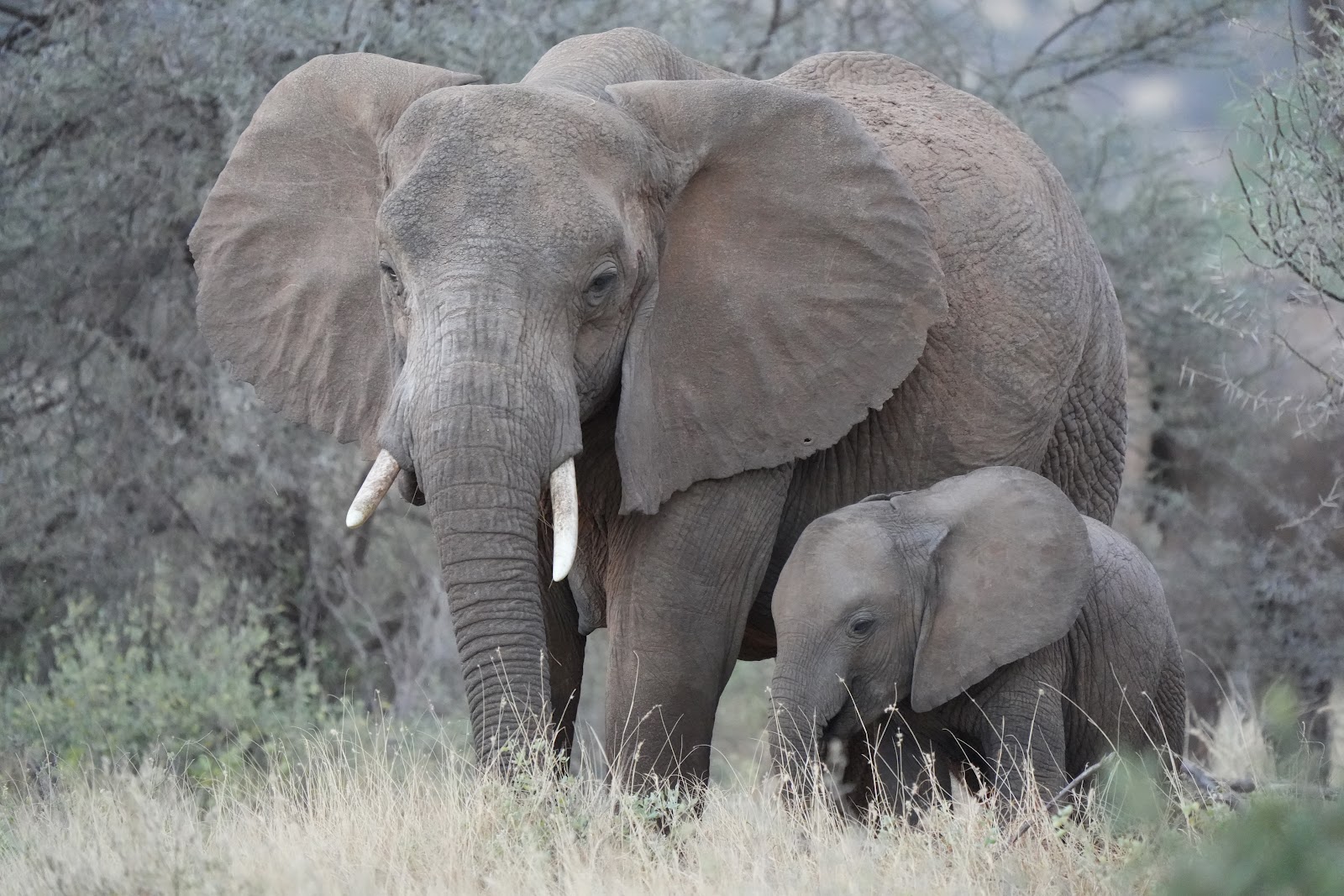
Addo holds the highest elephant density of any park in the world. Hluhluwe-iMfolozi is the reason white rhino exist in numbers today. These aren't backup plans for travelers who missed Kruger availability. They're places worth flying to specifically.
What can you see in Addo Elephant National Park?
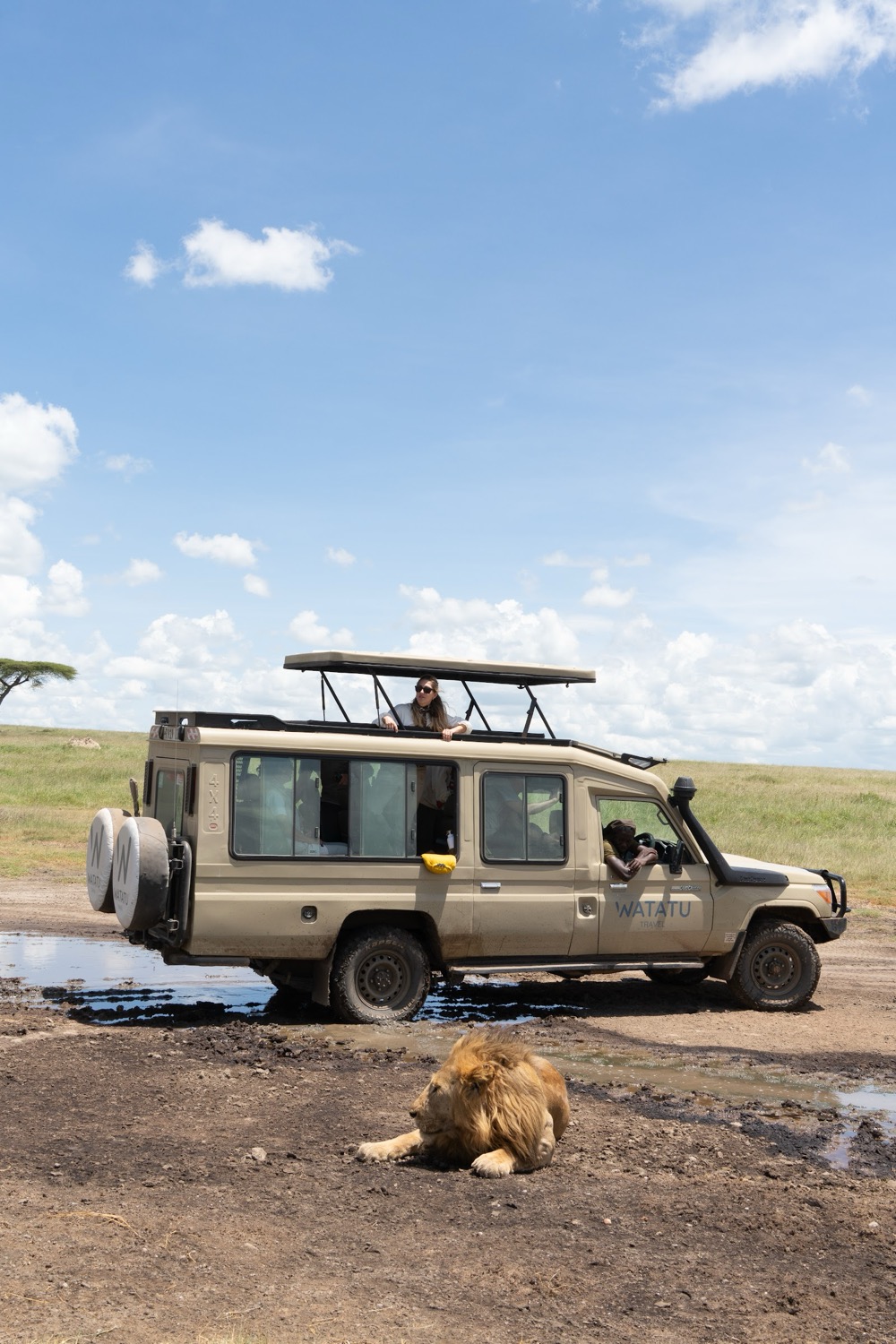
Addo, near Gqeberha (formerly Port Elizabeth) in the Eastern Cape, hosts over 600 elephants, Cape buffalo, black rhino, and lions reintroduced in 2003. It's malaria-free, which matters a lot for families with young children or anyone who'd rather skip prophylactics.
Our team was there in August and counted 80 elephants at the Hapoor waterhole in a single afternoon. That number stuck with everyone who was there. The park has expanded well beyond its original boundaries and now includes a marine section with great white sharks and southern right whales from June to November. Self-drive works perfectly here; the roads are mostly gravel but manageable in a standard sedan. SANParks' official Addo page lists current conservation fees at around ZAR 272 per adult per day for foreign visitors, roughly €14 at 2025 exchange rates.
The elephant density is so high that sightings start within minutes of the gate. The park is compact enough that you're never driving two hours between animals, which changes the whole rhythm of a day out.
Is the Kgalagadi Transfrontier Park worth the long drive?
Yes, and the distance is part of what makes it work. Kgalagadi sits on the Botswana border in the Northern Cape. Red dunes, dry riverbeds, permanent waterholes that concentrate predators. It's stark and it rewards patience in a way that busier parks don't.
The signature sighting is the black-maned Kalahari lion, but the park also delivers cheetah, leopard, martial eagles, and enormous herds of springbok and gemsbok. June and July are the sweet spot: nights near 0°C, clear days, and lions active well into mid-morning. You can drive from Johannesburg in around 8 hours or fly to Upington and hire a car from there. Conservation fees run ZAR 282 per adult per day (about €14.50), and a self-catering chalet inside the park costs ZAR 900–2,200 per night depending on camp and season.
Several routes require a proper high-clearance 4x4, the distances between camps are long, and the nearest town of any size is hours away. Book accommodation 9–11 months ahead and plan your fuel stops before you leave. Kgalagadi doesn't forgive late planning.
What makes Hluhluwe-iMfolozi the best park for rhino?
Hluhluwe-iMfolozi in KwaZulu-Natal is where white rhino came back from the edge. The park's conservation work in the 1950s and 60s is the direct reason white rhino exist in numbers anywhere today. Walking safaris here run to a different standard than most parks: three-night wilderness trails where you track rhino on foot at dawn and sleep under canvas.
We took a group through in September 2024. Two guests who'd already done Kruger twice said it was the most affecting wildlife experience of their lives. That's not marketing. That's what they said at the debrief.
The Big Five are all present, leopard sightings are reliable in the south of the park, and the logistics are straightforward: Hluhluwe is 2.5 hours from Durban by road. Accommodation ranges from ZAR 800 per night for basic huts to ZAR 4,500 at Hilltop Camp's higher-end chalets. Malaria risk is low but not zero. Check the National Institute for Communicable Diseases for current risk levels before you travel, and talk to a travel clinic.
When is the best time to visit each of these parks?
The dry season from May to September works well across all three parks. Vegetation is low, water sources concentrate the animals, and daytime temperatures are comfortable. Kgalagadi peaks hardest in June and July. Hluhluwe is best from May through August. Addo is good year-round because the elephants don't migrate far, but the May–September window gives you clearer sightlines.
October and November bring the first rains. Game viewing gets harder as the bush thickens, but you also see newborn animals and the landscape turns green fast. The shoulder months of April and October can offer lower lodge rates with still-acceptable conditions.

Avoid South African school holidays in December and January if you're booking SANParks rest camps. They fill up 9–11 months in advance. South Africa Tourism's national parks overview gives useful seasonal context across regions.
How much does a South Africa safari beyond Kruger cost?
A self-drive trip staying in SANParks rest camps runs €150–€250 per person per day, covering accommodation, car hire, conservation fees, and food. Move to a guided safari with a private vehicle and mid-range lodges and the cost rises to €350–€550 per person per day. Luxury lodges near Addo or inside private concessions adjacent to Kgalagadi push to €700–€1,200.
| Park | Best Months | Key Wildlife | Self-drive? | Malaria? |
|---|---|---|---|---|
| Kgalagadi | June–August | Black-maned lions, cheetah, martial eagles | 4x4 required for some routes | No |
| Addo Elephant | Year-round (best May–Sep) | Elephants, black rhino, southern right whales (Jun–Nov) | Yes, sedan fine | No |
| Hluhluwe-iMfolozi | May–August | White rhino, Big Five, guided walking trails | Yes | Low risk |
At Watatu we put together custom South Africa itineraries built around these parks, usually with groups flying into Johannesburg and working south or east from there. If you want a straight answer on what's realistic for your dates and budget, send us a message on WhatsApp. One of our team will come back to you within a few hours.
Frequently asked questions
Do I need a 4x4 to visit Kgalagadi Transfrontier Park?
For the main tar and gravel roads between the principal camps you can manage with a high-clearance two-wheel-drive vehicle. However, the Wilderness Trails and several remote loop roads strictly require a 4x4. If you plan to explore beyond the core routes, book a proper 4x4 before you leave and check road conditions with SANParks before entering.
Is Addo Elephant National Park safe for families with young children?
Yes. Addo is one of the best malaria-free parks in southern Africa, which removes one of the main health concerns for families. The park is compact, roads are well maintained, and Big Five game viewing begins almost immediately after the gate. Self-drive is straightforward and guided options are available for those who prefer a ranger-led experience.
How far in advance should I book accommodation in these parks?
For SANParks rest camps in Kgalagadi and Addo, booking 9 to 11 months ahead is strongly recommended, especially for June, July, and South African school holiday periods. Hluhluwe-iMfolozi is slightly easier to secure at shorter notice, but peak-season weekends fill quickly. Private lodges adjacent to the parks generally open availability 12 months out.
What is the best park for first-time safari visitors who have never been to Kruger?
Addo Elephant National Park is the most beginner-friendly option. It is malaria-free, compact enough that drives are never exhausting, and elephant sightings are virtually guaranteed. The road network is easy to navigate independently. Hluhluwe-iMfolozi is an excellent second choice if rhino and walking safaris are a priority for your first experience.
Can I combine more than one of these parks in a single trip?
Addo and Hluhluwe-iMfolozi can be combined in 10 to 14 days, though they are separated by roughly 650 kilometres. Kgalagadi is best treated as a standalone destination given its remoteness. A common itinerary pairs two parks with a coast or winelands stop in between to break the driving and add variety to the trip.
What are the conservation fees for visiting these parks?
SANParks charges daily conservation fees on top of accommodation. As of 2024, international visitor rates are approximately ZAR 400 to ZAR 500 per adult per day depending on the park. Fees are paid at the gate or online when booking. Children under two enter free and rates for children under 11 are substantially reduced. Always check the SANParks website for current pricing before your trip.
South Africa Beyond Kruger: The Best National Parks to Visit
If you want the Big Five without Kruger's traffic, Addo Elephant National Park and Kgalagadi Transfrontier Park are the places to start. Hluhluwe-iMfolozi in KwaZulu-Natal rounds out the trio for anyone prioritising rhino. All three occupy ecosystems Kruger simply doesn't have, and none of them feel like a consolation prize. Two weeks covers two parks comfortably; three is doable if you keep the pace up.
| Detail | Info |
|---|---|
| Best overall months | May–September (dry season, best wildlife viewing) |
| Price range (self-drive) | €150–€350/person/day including accommodation |
| Price range (guided) | €350–€800/person/day all-in |
| Closest international airports | Johannesburg OR Tambo (JNB), Cape Town (CPT) |
| Visa for EU citizens | Not required for stays under 90 days |
| Self-drive possible? | Yes, left-hand traffic, good roads inside parks |
| Trip length | 10–16 days to cover 2–3 parks comfortably |
Why visit parks other than Kruger in South Africa?
Kruger is spectacular, but it's also one of the most visited parks on the continent. July school holidays in particular can put dozens of vehicles at a single lion sighting. The parks in this guide operate on a completely different scale. In Kgalagadi last July, the only other car at a lion sighting was a German couple in a rented 4x4. That's the gap.
Addo holds the highest elephant density of any park in the world. Hluhluwe-iMfolozi is the reason white rhino exist in numbers today. These aren't backup plans for travelers who missed Kruger availability. They're places worth flying to specifically.
What can you see in Addo Elephant National Park?
Addo, near Gqeberha (formerly Port Elizabeth) in the Eastern Cape, hosts over 600 elephants, Cape buffalo, black rhino, and lions reintroduced in 2003. It's malaria-free, which matters a lot for families with young children or anyone who'd rather skip prophylactics.
Our team was there in August and counted 80 elephants at the Hapoor waterhole in a single afternoon. That number stuck with everyone who was there. The park has expanded well beyond its original boundaries and now includes a marine section with great white sharks and southern right whales from June to November. Self-drive works perfectly here; the roads are mostly gravel but manageable in a standard sedan. SANParks' official Addo page lists current conservation fees at around ZAR 272 per adult per day for foreign visitors, roughly €14 at 2025 exchange rates.
The elephant density is so high that sightings start within minutes of the gate. The park is compact enough that you're never driving two hours between animals, which changes the whole rhythm of a day out.
Is the Kgalagadi Transfrontier Park worth the long drive?
Yes, and the distance is part of what makes it work. Kgalagadi sits on the Botswana border in the Northern Cape. Red dunes, dry riverbeds, permanent waterholes that concentrate predators. It's stark and it rewards patience in a way that busier parks don't.
The signature sighting is the black-maned Kalahari lion, but the park also delivers cheetah, leopard, martial eagles, and enormous herds of springbok and gemsbok. June and July are the sweet spot: nights near 0°C, clear days, and lions active well into mid-morning. You can drive from Johannesburg in around 8 hours or fly to Upington and hire a car from there. Conservation fees run ZAR 282 per adult per day (about €14.50), and a self-catering chalet inside the park costs ZAR 900–2,200 per night depending on camp and season.
Several routes require a proper high-clearance 4x4, the distances between camps are long, and the nearest town of any size is hours away. Book accommodation 9–11 months ahead and plan your fuel stops before you leave. Kgalagadi doesn't forgive late planning.
What makes Hluhluwe-iMfolozi the best park for rhino?
Hluhluwe-iMfolozi in KwaZulu-Natal is where white rhino came back from the edge. The park's conservation work in the 1950s and 60s is the direct reason white rhino exist in numbers anywhere today. Walking safaris here run to a different standard than most parks: three-night wilderness trails where you track rhino on foot at dawn and sleep under canvas.
We took a group through in September 2024. Two guests who'd already done Kruger twice said it was the most affecting wildlife experience of their lives. That's not marketing. That's what they said at the debrief.
The Big Five are all present, leopard sightings are reliable in the south of the park, and the logistics are straightforward: Hluhluwe is 2.5 hours from Durban by road. Accommodation ranges from ZAR 800 per night for basic huts to ZAR 4,500 at Hilltop Camp's higher-end chalets. Malaria risk is low but not zero. Check the National Institute for Communicable Diseases for current risk levels before you travel, and talk to a travel clinic.
When is the best time to visit each of these parks?
The dry season from May to September works well across all three parks. Vegetation is low, water sources concentrate the animals, and daytime temperatures are comfortable. Kgalagadi peaks hardest in June and July. Hluhluwe is best from May through August. Addo is good year-round because the elephants don't migrate far, but the May–September window gives you clearer sightlines.
October and November bring the first rains. Game viewing gets harder as the bush thickens, but you also see newborn animals and the landscape turns green fast. The shoulder months of April and October can offer lower lodge rates with still-acceptable conditions.
Avoid South African school holidays in December and January if you're booking SANParks rest camps. They fill up 9–11 months in advance. South Africa Tourism's national parks overview gives useful seasonal context across regions.
How much does a South Africa safari beyond Kruger cost?
A self-drive trip staying in SANParks rest camps runs €150–€250 per person per day, covering accommodation, car hire, conservation fees, and food. Move to a guided safari with a private vehicle and mid-range lodges and the cost rises to €350–€550 per person per day. Luxury lodges near Addo or inside private concessions adjacent to Kgalagadi push to €700–€1,200.
| Park | Best Months | Key Wildlife | Self-drive? | Malaria? |
|---|---|---|---|---|
| Kgalagadi | June–August | Black-maned lions, cheetah, martial eagles | 4x4 required for some routes | No |
| Addo Elephant | Year-round (best May–Sep) | Elephants, black rhino, southern right whales (Jun–Nov) | Yes, sedan fine | No |
| Hluhluwe-iMfolozi | May–August | White rhino, Big Five, guided walking trails | Yes | Low risk |
At Watatu we put together custom South Africa itineraries built around these parks, usually with groups flying into Johannesburg and working south or east from there. If you want a straight answer on what's realistic for your dates and budget, send us a message on WhatsApp. One of our team will come back to you within a few hours.
Frequently asked questions
Do I need a 4x4 to visit Kgalagadi Transfrontier Park?
For the main tar and gravel roads between the principal camps you can manage with a high-clearance two-wheel-drive vehicle. However, the Wilderness Trails and several remote loop roads strictly require a 4x4. If you plan to explore beyond the core routes, book a proper 4x4 before you leave and check road conditions with SANParks before entering.
Is Addo Elephant National Park safe for families with young children?
Yes. Addo is one of the best malaria-free parks in southern Africa, which removes one of the main health concerns for families. The park is compact, roads are well maintained, and Big Five game viewing begins almost immediately after the gate. Self-drive is straightforward and guided options are available for those who prefer a ranger-led experience.
How far in advance should I book accommodation in these parks?
For SANParks rest camps in Kgalagadi and Addo, booking 9 to 11 months ahead is strongly recommended, especially for June, July, and South African school holiday periods. Hluhluwe-iMfolozi is slightly easier to secure at shorter notice, but peak-season weekends fill quickly. Private lodges adjacent to the parks generally open availability 12 months out.
What is the best park for first-time safari visitors who have never been to Kruger?
Addo Elephant National Park is the most beginner-friendly option. It is malaria-free, compact enough that drives are never exhausting, and elephant sightings are virtually guaranteed. The road network is easy to navigate independently. Hluhluwe-iMfolozi is an excellent second choice if rhino and walking safaris are a priority for your first experience.
Can I combine more than one of these parks in a single trip?
Addo and Hluhluwe-iMfolozi can be combined in 10 to 14 days, though they are separated by roughly 650 kilometres. Kgalagadi is best treated as a standalone destination given its remoteness. A common itinerary pairs two parks with a coast or winelands stop in between to break the driving and add variety to the trip.
What are the conservation fees for visiting these parks?
SANParks charges daily conservation fees on top of accommodation. As of 2024, international visitor rates are approximately ZAR 400 to ZAR 500 per adult per day depending on the park. Fees are paid at the gate or online when booking. Children under two enter free and rates for children under 11 are substantially reduced. Always check the SANParks website for current pricing before your trip.