




Safari in Tanzania 2027: A Circuit-by-Circuit Price Breakdown
Most price guides treat a Tanzania safari as a single product with a single price range. They're not wrong that budget, mid-range, and luxury tiers exist, but that framing skips the variable that actually drives the biggest cost differences: which circuit you're travelling. The Northern Circuit and the Southern Circuit are not interchangeable experiences, and they don't carry the same costs. That distinction is worth understanding before you compare any two quotes.
| Mid-range daily rate (2027) | $350 to $650 per person |
| Budget group tour daily rate | $180 to $280 per person |
| Luxury daily rate | From $800 per person |
| Northern Circuit (6 days, mid-range) | $2,800 to $3,800 per person |
| Southern Circuit (5 days, mid-range) | $2,200 to $3,400 per person |
| Tanzania e-visa cost | $50 (most nationalities) |
| Recommended tipping budget | $15 to $20 per person per day |
What Does a Safari in Tanzania Cost in 2027?
Across both main circuits, a mid-range all-inclusive safari runs $350–$650 per person per day in 2027. Budget group-departure trips sit at $180–$280/day, and luxury private itineraries start at $800 and reach $1,500+. A seven-day mid-range trip lands most travellers at $2,500–$4,500 per person before international flights. Those numbers are real, but they flatten a lot of nuance, so let's go circuit by circuit.
How Much Does the Northern Circuit Cost?
The Northern Circuit (Serengeti, Ngorongoro Crater, Tarangire, Lake Manyara) is Tanzania's most visited safari route and its most expensive. The reason is park fees. The Serengeti alone charges $82 per adult per day (as of January 2026, subject to TANAPA revision), and Ngorongoro Conservation Area levies a separate crater service fee of $70 per vehicle entry. A four-day Serengeti-and-Ngorongoro loop adds roughly $400–$500 per person in government fees before a single meal or bed night is costed.
Add accommodation and a private vehicle and guide, and a six-day Northern Circuit safari in mid-range style, tented camps, en-suite bathrooms, full board, typically costs $2,800–$3,800 per person. Peak season (July–October, January–February) pushes the upper end of that range by another 25–40%, and the best camps near the river crossings genuinely book out twelve months in advance.
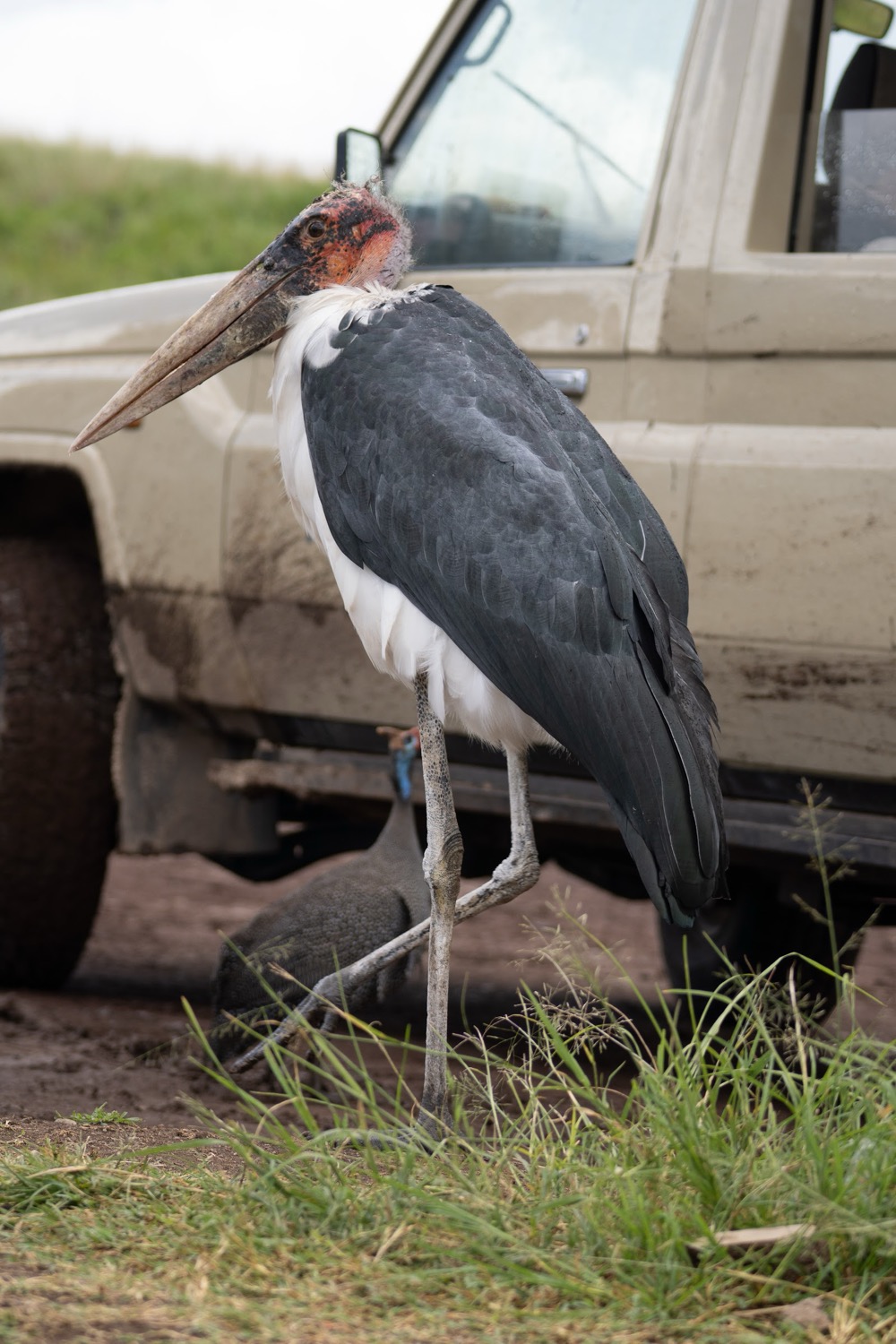
One thing worth flagging about the Northern Circuit: this is also where the most misleading quotes circulate. We've reviewed competitor packages that label a shared Land Cruiser with six paying guests as 'semi-private.' It isn't. A private vehicle means one group, one guide, one vehicle, full stop. If a quote doesn't specify, ask.
How Much Does the Southern Circuit Cost?
Ruaha National Park and Nyerere National Park (formerly Selous) charge significantly lower daily fees than the Northern parks, and the fly-in distances are longer, which adds cost in a different place. A Southern Circuit safari almost always involves at least one light aircraft leg, typically from Dar es Salaam or from a junction airstrip, adding $200–$450 per person in domestic flights depending on the route.
Net of that flight cost, a five-day Southern Circuit safari in mid-range style runs $2,200–$3,400 per person. In luxury, and the South has some of Africa's finest small bush camps, the same five days can easily reach $5,000–$8,000 per person. The trade-off is real: you pay for the flight but you gain near-total solitude. In February 2027, our guide Emmanuel took a group of four into Ruaha's Jongomero area on a boat safari down the Great Ruaha River. They didn't see another vehicle or another boat the entire morning. That's simply not available on the Northern Circuit at any price point during high season.
Explore the Southern Circuit with Watatu Travel
Our Southern Circuit itinerary gives you access to Ruaha and Nyerere in genuine small-group style, with expert guiding and full-board accommodation from 9 days, from 3.350 € per person. Tanzania - Crossroads of the Great Migration
What's Actually Included, and What Isn't?
A well-structured package covers: national park fees, a 4x4 vehicle with an experienced guide-driver, all accommodation and meals, and airport transfers. Water is always included; house beverages often are at mid-range and above.
What it doesn't cover: international flights, visa ($50 for most nationalities), travel insurance, guide and camp staff tips (budget $15–$20 per person per day as a reasonable baseline), and personal extras. One client last year came back having spent almost nothing beyond the package, another added $600 in sundowner drinks and private bush dinners at their lodge. Both were happy. Know your own habits.
Does the Season Change the Price?
Substantially. Peak season (July–October and January–February) pushes lodge rates 20–40% above shoulder season, and availability at the best properties evaporates fast. We stopped being surprised when clients ask about July availability in June.
The green season, roughly March through May, and to a lesser extent November, is where the real value hides, and where most cost-focused articles stop short of telling the full story. Yes, some tracks become difficult in April. But in March 2027, our guide Hamisi led a small group through the Seronera Valley in the central Serengeti during a morning of light rain. The grass was knee-high and luminous. A leopard was caching an impala kill in a sausage tree not forty metres from the vehicle, something Hamisi said he sees more readily in the wet season precisely because the cats use the tree cover differently when prey isn't concentrated at dry waterholes. The group had booked green-season rates, roughly 30% below what the same camp charges in August. They've since come back twice, both times in March.
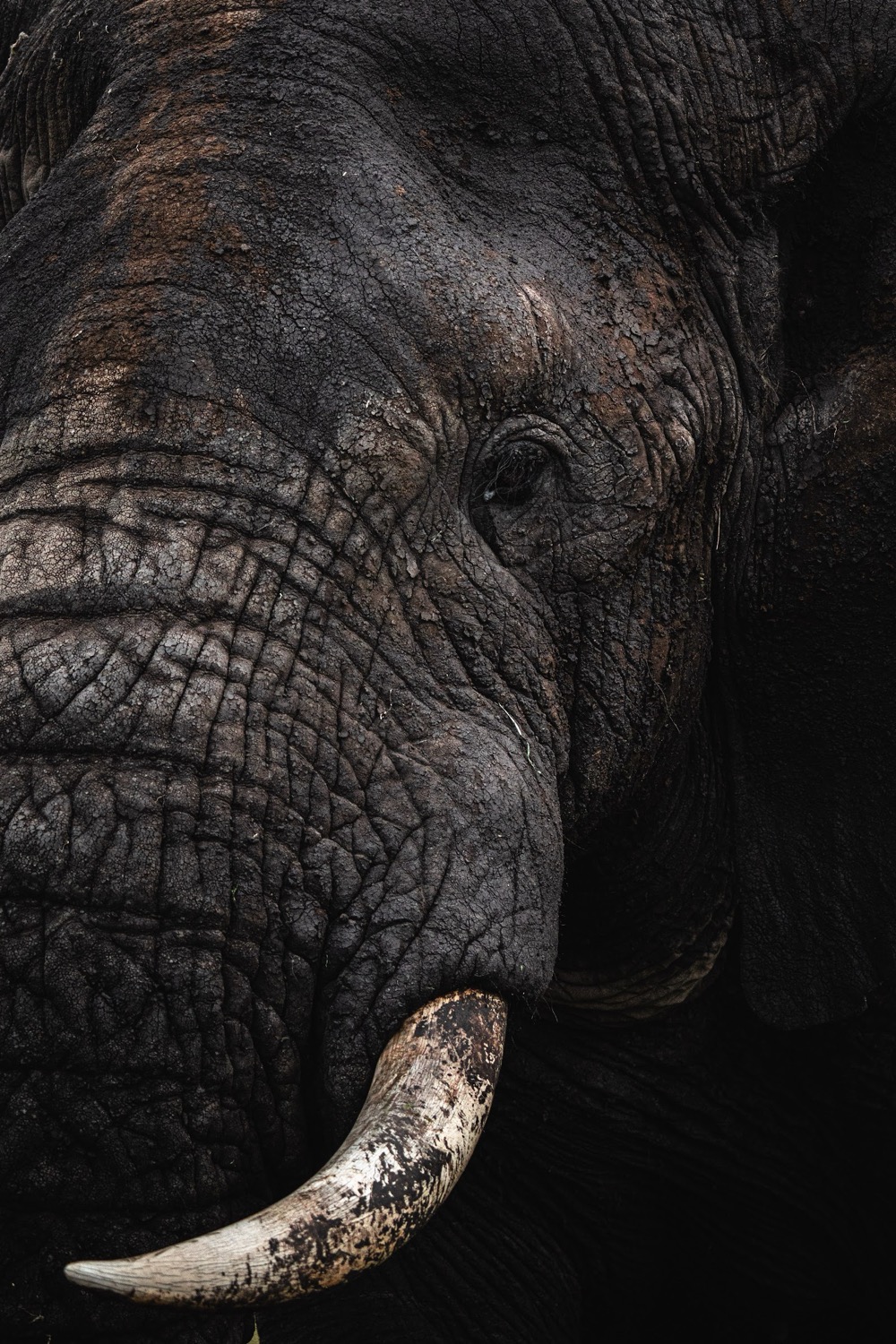
Green season also tends to coincide with calving season in the southern Serengeti (January–March), when predator activity around the wildebeest herds is extraordinary and the park is a fraction as busy as it will be in July.
What Does a Combined Northern and Southern Circuit Cost?
Combining both circuits, say, four days in Tarangire and the Serengeti followed by four days in Ruaha, 9 days, from 3.931 € per person, is our most common recommendation for travellers with ten or more days and a genuine appetite for contrast. Costs for an eight-to-ten-day combined mid-range trip run $4,500–$7,000 per person, domestic flights included. It costs more than a single-circuit trip, but the range of habitats, the shift in atmosphere, and the near-absence of other tourists in the South make it a meaningfully different trip rather than just a longer one.
How Can You Get Better Value Without Compromising the Experience?
Travel in shoulder season, mid-June or November. Both offer strong game viewing and real savings. If budget is a genuine constraint, consider building your itinerary around Tarangire rather than the Serengeti as your primary Northern Circuit park: Tarangire's elephant concentrations in July–October are among Africa's most spectacular, park fees are the same, and lodge competition keeps accommodation costs lower.
Book early for peak season. The camps with the best guiding teams, the ones where the guides have been working the same territory for ten or fifteen years, fill first. A last-minute spot sometimes opens up, but it's usually because someone cancelled, not because the camp had surplus availability.
And be honest about what you'll actually notice. A Spanish family who travelled with us in November 2027 initially enquired about a luxury Northern Circuit trip. After a conversation about how they actually spend their days on holiday, active, outdoors by 6am, not interested in spa amenities, they booked a mid-range private camp in Tarangire instead, saved roughly $800 per person, and wrote us afterwards to say the guiding was the best part of the trip. Comfort matters. Amenities don't always correlate with experience quality.
If you want Zanzibar at the end, we cover that combination in detail in our Tanzania in 10 days guide, no need to replicate it here.
Is a Circuit-by-Circuit Budget Comparison Useful Before Booking?
It's the most useful exercise you can do before talking to any operator. Knowing that the Southern Circuit's higher domestic flight cost is offset by lower park fees and accommodation rates, and by the absence of shared-circuit overcrowding, changes how you evaluate competing quotes. A quote for a six-day Northern Circuit trip at $2,200 per person and a quote for a five-day Southern Circuit trip at $2,600 per person aren't directly comparable. The second one may well offer more for the money once you account for what each actually delivers on the ground.
If you'd like a specific quote for your travel dates, group size, and which circuit interests you most, reach out to our team. We'll work through the numbers with you directly.
Ready to Plan Your Tanzania Safari?
Get a tailored quote for your dates and group size. Our Tanzania Classic Safari is a great starting point, with everything included from 6 days, from 2.095 € per person. Tanzania - Classic Safari
Frequently asked questions
What is the average cost of a mid-range Tanzania safari per day in 2027?
A mid-range all-inclusive Tanzania safari typically costs between $350 and $650 per person per day in 2027. This covers national park fees, a private 4x4 vehicle and guide, all meals, and en-suite tented camp accommodation. Budget group tours start lower at around $180 per day, while luxury private itineraries begin at $800.
Is the Northern Circuit more expensive than the Southern Circuit?
Yes. The Northern Circuit carries higher national park fees, particularly in the Serengeti, and accommodation demand keeps lodge rates elevated year-round. The Southern Circuit parks charge lower daily fees, though mandatory domestic flights add cost. For many travellers, the Southern Circuit delivers comparable wildlife quality at a more manageable overall price.
When is the cheapest time to go on a Tanzania safari?
The green season, roughly March through May and again in November, offers the lowest lodge rates, often 20 to 40 percent below peak prices. The trade-off is wetter, muddier tracks. However, game viewing remains strong, crowds are minimal, and January to March in the Serengeti coincides with wildebeest calving, one of Africa's most dramatic wildlife spectacles.
What costs are typically not included in a Tanzania safari package?
Most packages exclude international flights, the Tanzania e-visa (currently $50 for most nationalities), travel insurance, and gratuities for guides and camp staff. A reasonable tipping budget is $15 to $20 per person per day. Personal extras such as premium drinks and laundry are also usually charged separately.
Is it worth combining the Northern and Southern circuits?
For travellers with ten or more days, combining both circuits is highly recommended. The Northern parks deliver the iconic open savannah and migration spectacle, while the Southern parks offer remote bush camps, lower visitor numbers, and exceptional predator sightings. The contrast between the two experiences makes the combined itinerary genuinely memorable.
How do I avoid misleading safari quotes when comparing operators?
Ask specifically whether the vehicle is private or shared, how many paying guests travel in each Land Cruiser, and exactly which park fees are included. Some operators label a six-seat shared vehicle as semi-private. A reliable quote will itemise park fees, accommodation category, guide experience, and vehicle arrangement clearly before any deposit is requested.
Safari in Tanzania 2027: A Circuit-by-Circuit Price Breakdown
Most price guides treat a Tanzania safari as a single product with a single price range. They're not wrong that budget, mid-range, and luxury tiers exist, but that framing skips the variable that actually drives the biggest cost differences: which circuit you're travelling. The Northern Circuit and the Southern Circuit are not interchangeable experiences, and they don't carry the same costs. That distinction is worth understanding before you compare any two quotes.
| Mid-range daily rate (2027) | $350 to $650 per person |
| Budget group tour daily rate | $180 to $280 per person |
| Luxury daily rate | From $800 per person |
| Northern Circuit (6 days, mid-range) | $2,800 to $3,800 per person |
| Southern Circuit (5 days, mid-range) | $2,200 to $3,400 per person |
| Tanzania e-visa cost | $50 (most nationalities) |
| Recommended tipping budget | $15 to $20 per person per day |
What Does a Safari in Tanzania Cost in 2027?
Across both main circuits, a mid-range all-inclusive safari runs $350–$650 per person per day in 2027. Budget group-departure trips sit at $180–$280/day, and luxury private itineraries start at $800 and reach $1,500+. A seven-day mid-range trip lands most travellers at $2,500–$4,500 per person before international flights. Those numbers are real, but they flatten a lot of nuance, so let's go circuit by circuit.
How Much Does the Northern Circuit Cost?
The Northern Circuit (Serengeti, Ngorongoro Crater, Tarangire, Lake Manyara) is Tanzania's most visited safari route and its most expensive. The reason is park fees. The Serengeti alone charges $82 per adult per day (as of January 2026, subject to TANAPA revision), and Ngorongoro Conservation Area levies a separate crater service fee of $70 per vehicle entry. A four-day Serengeti-and-Ngorongoro loop adds roughly $400–$500 per person in government fees before a single meal or bed night is costed.
Add accommodation and a private vehicle and guide, and a six-day Northern Circuit safari in mid-range style, tented camps, en-suite bathrooms, full board, typically costs $2,800–$3,800 per person. Peak season (July–October, January–February) pushes the upper end of that range by another 25–40%, and the best camps near the river crossings genuinely book out twelve months in advance.
One thing worth flagging about the Northern Circuit: this is also where the most misleading quotes circulate. We've reviewed competitor packages that label a shared Land Cruiser with six paying guests as 'semi-private.' It isn't. A private vehicle means one group, one guide, one vehicle, full stop. If a quote doesn't specify, ask.
How Much Does the Southern Circuit Cost?
Ruaha National Park and Nyerere National Park (formerly Selous) charge significantly lower daily fees than the Northern parks, and the fly-in distances are longer, which adds cost in a different place. A Southern Circuit safari almost always involves at least one light aircraft leg, typically from Dar es Salaam or from a junction airstrip, adding $200–$450 per person in domestic flights depending on the route.
Net of that flight cost, a five-day Southern Circuit safari in mid-range style runs $2,200–$3,400 per person. In luxury, and the South has some of Africa's finest small bush camps, the same five days can easily reach $5,000–$8,000 per person. The trade-off is real: you pay for the flight but you gain near-total solitude. In February 2027, our guide Emmanuel took a group of four into Ruaha's Jongomero area on a boat safari down the Great Ruaha River. They didn't see another vehicle or another boat the entire morning. That's simply not available on the Northern Circuit at any price point during high season.
Explore the Southern Circuit with Watatu Travel
Our Southern Circuit itinerary gives you access to Ruaha and Nyerere in genuine small-group style, with expert guiding and full-board accommodation from 9 days, from 3.350 € per person. Tanzania - Crossroads of the Great Migration
What's Actually Included, and What Isn't?
A well-structured package covers: national park fees, a 4x4 vehicle with an experienced guide-driver, all accommodation and meals, and airport transfers. Water is always included; house beverages often are at mid-range and above.
What it doesn't cover: international flights, visa ($50 for most nationalities), travel insurance, guide and camp staff tips (budget $15–$20 per person per day as a reasonable baseline), and personal extras. One client last year came back having spent almost nothing beyond the package, another added $600 in sundowner drinks and private bush dinners at their lodge. Both were happy. Know your own habits.
Does the Season Change the Price?
Substantially. Peak season (July–October and January–February) pushes lodge rates 20–40% above shoulder season, and availability at the best properties evaporates fast. We stopped being surprised when clients ask about July availability in June.
The green season, roughly March through May, and to a lesser extent November, is where the real value hides, and where most cost-focused articles stop short of telling the full story. Yes, some tracks become difficult in April. But in March 2027, our guide Hamisi led a small group through the Seronera Valley in the central Serengeti during a morning of light rain. The grass was knee-high and luminous. A leopard was caching an impala kill in a sausage tree not forty metres from the vehicle, something Hamisi said he sees more readily in the wet season precisely because the cats use the tree cover differently when prey isn't concentrated at dry waterholes. The group had booked green-season rates, roughly 30% below what the same camp charges in August. They've since come back twice, both times in March.
Green season also tends to coincide with calving season in the southern Serengeti (January–March), when predator activity around the wildebeest herds is extraordinary and the park is a fraction as busy as it will be in July.
What Does a Combined Northern and Southern Circuit Cost?
Combining both circuits, say, four days in Tarangire and the Serengeti followed by four days in Ruaha, 9 days, from 3.931 € per person, is our most common recommendation for travellers with ten or more days and a genuine appetite for contrast. Costs for an eight-to-ten-day combined mid-range trip run $4,500–$7,000 per person, domestic flights included. It costs more than a single-circuit trip, but the range of habitats, the shift in atmosphere, and the near-absence of other tourists in the South make it a meaningfully different trip rather than just a longer one.
How Can You Get Better Value Without Compromising the Experience?
Travel in shoulder season, mid-June or November. Both offer strong game viewing and real savings. If budget is a genuine constraint, consider building your itinerary around Tarangire rather than the Serengeti as your primary Northern Circuit park: Tarangire's elephant concentrations in July–October are among Africa's most spectacular, park fees are the same, and lodge competition keeps accommodation costs lower.
Book early for peak season. The camps with the best guiding teams, the ones where the guides have been working the same territory for ten or fifteen years, fill first. A last-minute spot sometimes opens up, but it's usually because someone cancelled, not because the camp had surplus availability.
And be honest about what you'll actually notice. A Spanish family who travelled with us in November 2027 initially enquired about a luxury Northern Circuit trip. After a conversation about how they actually spend their days on holiday, active, outdoors by 6am, not interested in spa amenities, they booked a mid-range private camp in Tarangire instead, saved roughly $800 per person, and wrote us afterwards to say the guiding was the best part of the trip. Comfort matters. Amenities don't always correlate with experience quality.
If you want Zanzibar at the end, we cover that combination in detail in our Tanzania in 10 days guide, no need to replicate it here.
Is a Circuit-by-Circuit Budget Comparison Useful Before Booking?
It's the most useful exercise you can do before talking to any operator. Knowing that the Southern Circuit's higher domestic flight cost is offset by lower park fees and accommodation rates, and by the absence of shared-circuit overcrowding, changes how you evaluate competing quotes. A quote for a six-day Northern Circuit trip at $2,200 per person and a quote for a five-day Southern Circuit trip at $2,600 per person aren't directly comparable. The second one may well offer more for the money once you account for what each actually delivers on the ground.
If you'd like a specific quote for your travel dates, group size, and which circuit interests you most, reach out to our team. We'll work through the numbers with you directly.
Ready to Plan Your Tanzania Safari?
Get a tailored quote for your dates and group size. Our Tanzania Classic Safari is a great starting point, with everything included from 6 days, from 2.095 € per person. Tanzania - Classic Safari
Frequently asked questions
What is the average cost of a mid-range Tanzania safari per day in 2027?
A mid-range all-inclusive Tanzania safari typically costs between $350 and $650 per person per day in 2027. This covers national park fees, a private 4x4 vehicle and guide, all meals, and en-suite tented camp accommodation. Budget group tours start lower at around $180 per day, while luxury private itineraries begin at $800.
Is the Northern Circuit more expensive than the Southern Circuit?
Yes. The Northern Circuit carries higher national park fees, particularly in the Serengeti, and accommodation demand keeps lodge rates elevated year-round. The Southern Circuit parks charge lower daily fees, though mandatory domestic flights add cost. For many travellers, the Southern Circuit delivers comparable wildlife quality at a more manageable overall price.
When is the cheapest time to go on a Tanzania safari?
The green season, roughly March through May and again in November, offers the lowest lodge rates, often 20 to 40 percent below peak prices. The trade-off is wetter, muddier tracks. However, game viewing remains strong, crowds are minimal, and January to March in the Serengeti coincides with wildebeest calving, one of Africa's most dramatic wildlife spectacles.
What costs are typically not included in a Tanzania safari package?
Most packages exclude international flights, the Tanzania e-visa (currently $50 for most nationalities), travel insurance, and gratuities for guides and camp staff. A reasonable tipping budget is $15 to $20 per person per day. Personal extras such as premium drinks and laundry are also usually charged separately.
Is it worth combining the Northern and Southern circuits?
For travellers with ten or more days, combining both circuits is highly recommended. The Northern parks deliver the iconic open savannah and migration spectacle, while the Southern parks offer remote bush camps, lower visitor numbers, and exceptional predator sightings. The contrast between the two experiences makes the combined itinerary genuinely memorable.
How do I avoid misleading safari quotes when comparing operators?
Ask specifically whether the vehicle is private or shared, how many paying guests travel in each Land Cruiser, and exactly which park fees are included. Some operators label a six-seat shared vehicle as semi-private. A reliable quote will itemise park fees, accommodation category, guide experience, and vehicle arrangement clearly before any deposit is requested.








.png)