


South Africa 10-Day Itinerary: Why the Drakensberg Night Changes Everything
Most 10-day South Africa itineraries run straight from Kruger to Cape Town. This one doesn't, and that single detour through the Drakensberg is what separates it from every other route you'll find. Total cost runs €3,200 to €5,500 per person (accommodation, transfers and internal flights, international airfare excluded), with May to September as the window that makes wildlife viewing and mountain conditions line up at the same time.
| Detail | Info |
|---|---|
| Best months | May to September (dry season) |
| Price range | €3,200 to €5,500 pp (flights excluded) |
| Duration | 10 days / 11 nights |
| Entry visa | Most EU passports: visa-free up to 90 days |
| Gateway airports | Johannesburg (JNB) in, Cape Town (CPT) out |
| Internal flights | Cape Town to Jo'burg or Hoedspruit approx. €80-160 one way |
| Currency | South African Rand (ZAR); €1 approx. ZAR 20 (2025 rate) |
When is the best time for this South Africa route?
May through September is the dry season across both Kruger and the KwaZulu-Natal highlands. Animals concentrate near water, visibility through the bush is at its sharpest and day temperatures sit around 18-24°C. Nights in both Kruger and the Drakensberg can drop to 6°C, so a fleece matters. Lodge prices at SANParks camps in July and August run roughly 15-20% higher than June.
Cape Town follows different rhythms. Its best weather runs November to February, but September and October hit a sweet spot: the Kruger dry season still holds, Cape Town is warming up and the city hasn't yet filled with summer crowds. If you can only pick one month, September is ours.
How do you get around on this route without losing days to logistics?
Fly into Johannesburg (JNB) and out of Cape Town (CPT). That open-jaw setup is the cleanest way to do this. From JNB you can self-drive to Hoedspruit in 4.5 hours or take a one-hour internal flight for around €80-130. After Kruger, the drive south through the Drakensberg to the Royal Natal area takes about 5-6 hours from the southern gates. From there you either drive back to JNB (3.5 hours) for a Cape Town flight, or fly from Durban, which is about an hour from Bergville.
Car rental from JNB runs €35-55 per day for a decent SUV. Petrol is around €1.20 per litre. South Africa drives on the left, roads in this corridor are well-maintained and self-driving inside Kruger is straightforward: stay in the vehicle, follow park speed limits and the animals come to you. No 4x4 required for the main tarred roads.
What does the day-by-day itinerary look like?
Days 1-2 (Johannesburg or Hoedspruit arrival): Land at JNB, collect your rental car and head northeast. Overnight near the Orpen Gate area on the western boundary. Day 2 earns its keep as a slow entry: an afternoon drive inside the park, early dinner at camp, early bed. Kruger rewards people who sleep before 5am game drives.
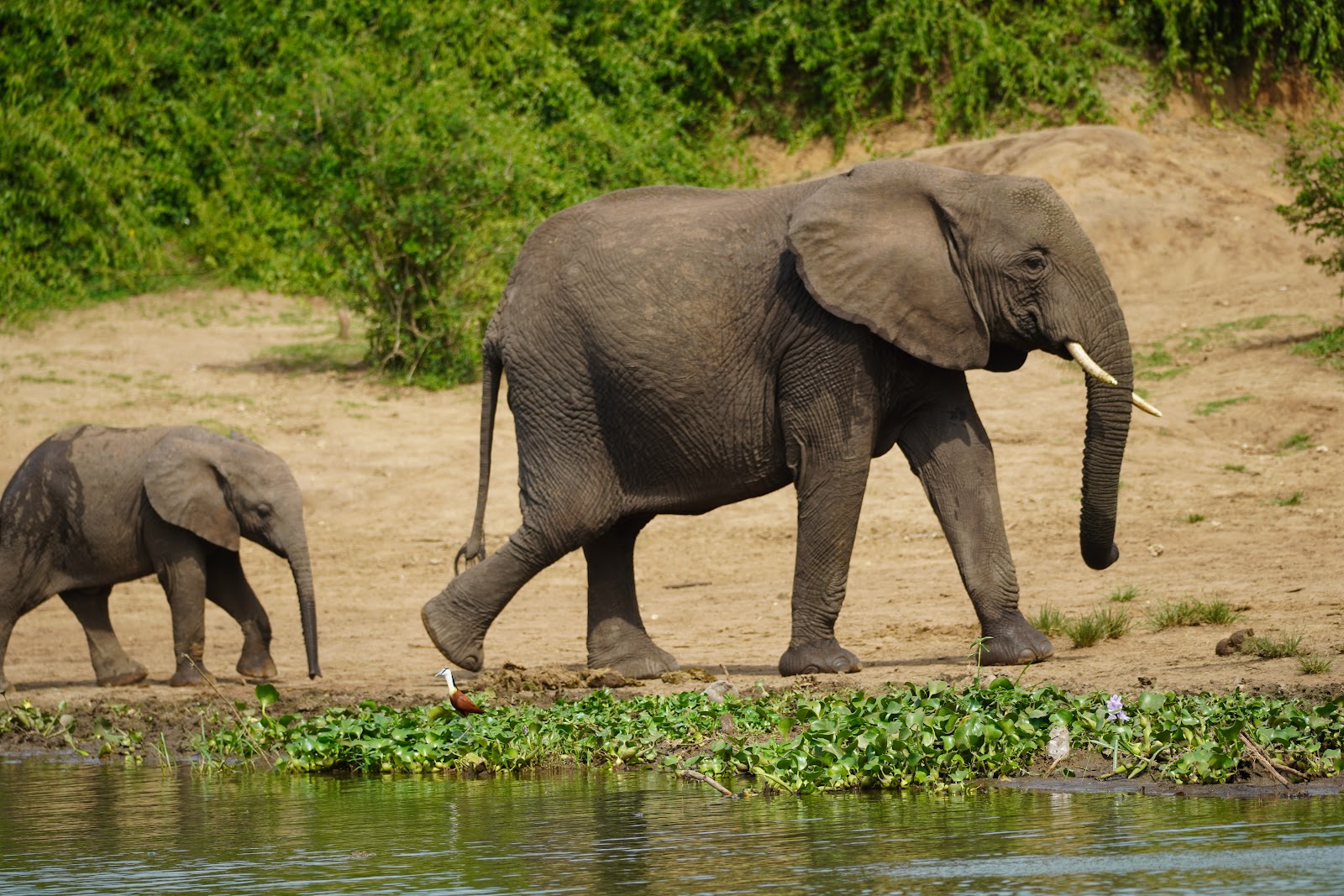
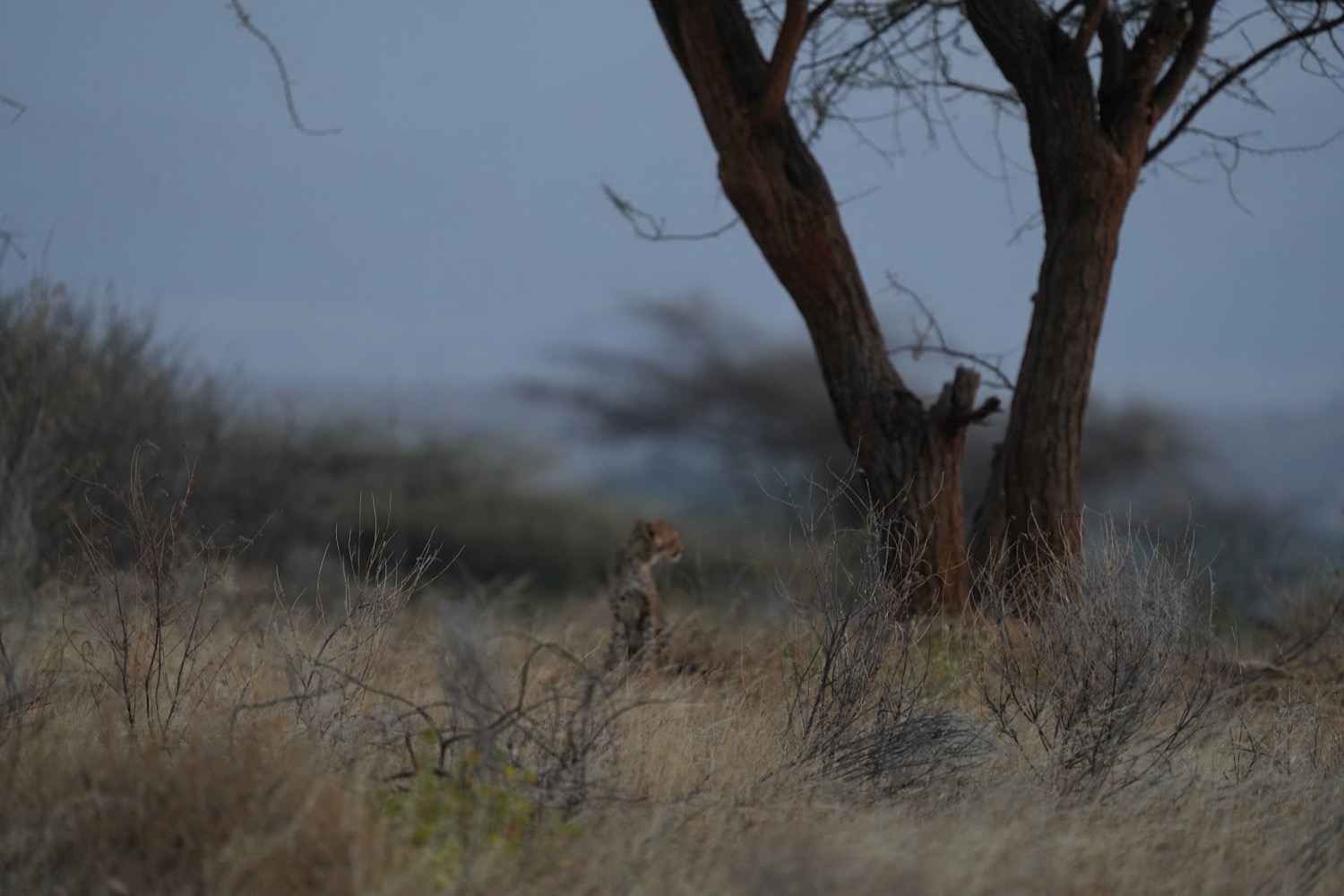
Days 3-6 (Kruger National Park): Four full days gives you a genuine shot at the Big Five. We work the central and southern sections consistently: Satara camp sits in the heart of lion country, while Lower Sabie, along the Sabie River, is where leopard and elephant sightings stack up. SANParks rest camps run ZAR 900-1,800 per night (roughly €45-90); private lodges on the western concessions range from €150 to €450 per person including game drives. Check SANParks conservation fees for current daily entry rates before you book, as they update annually. In June 2025 our team watched a leopard haul an impala up a marula tree outside Satara. That kind of sighting happens here with real regularity.
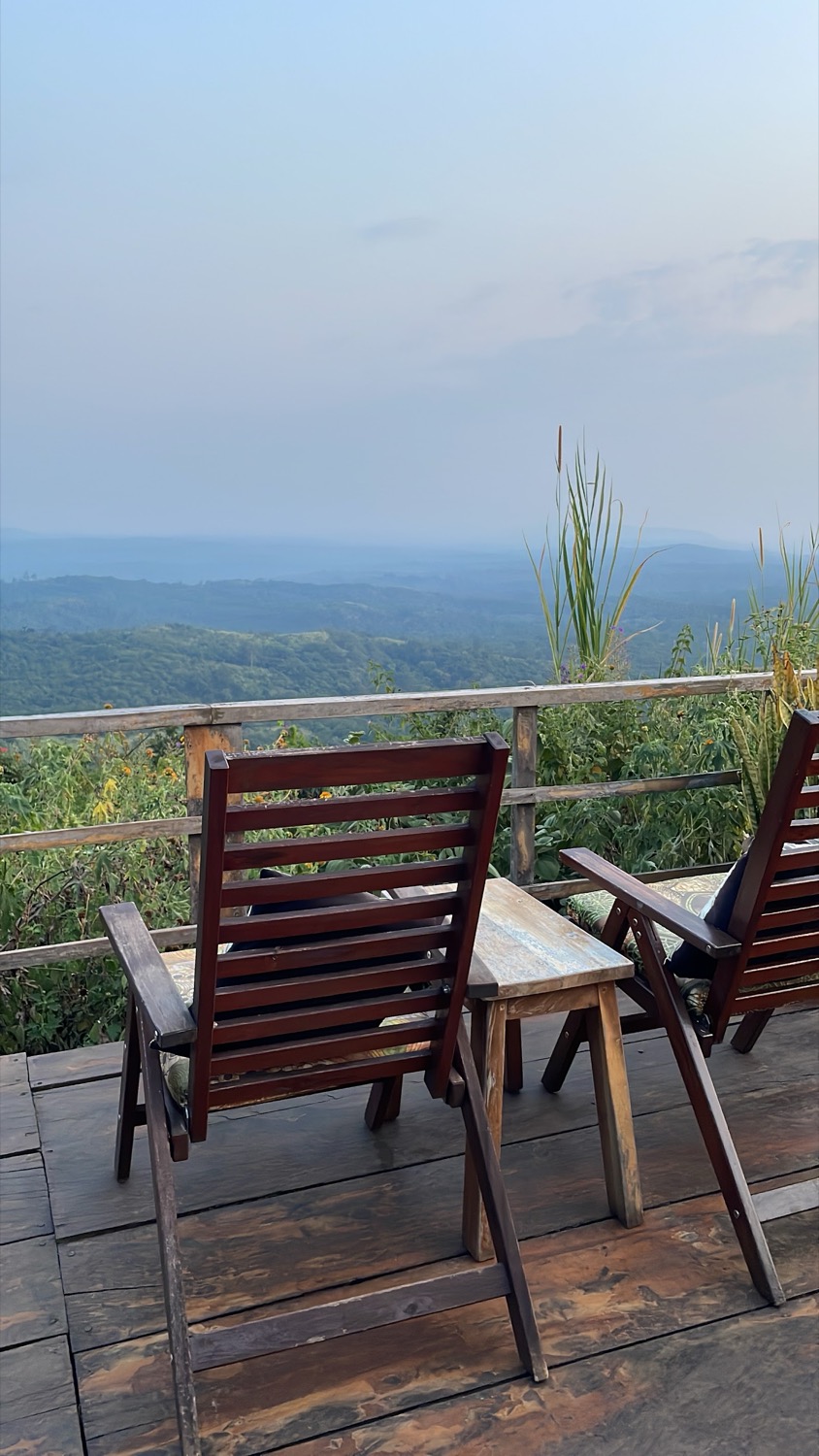
Day 7 (Royal Natal, Drakensberg): Drive south from Kruger's lower gates to the Royal Natal National Park section of the Drakensberg, about five hours. The scale hits differently after days of flat bush: basalt cliffs rising 3,000 metres, the Amphitheatre face stretching 5 km across the horizon. One night is enough to feel it properly. Walk the base of the Amphitheatre trail in the afternoon light, eat at the lodge, wake up before the mist lifts. Guest lodges at the foot of the Berg range from €60 to €140 per room. The altitude and cold, dry air after days of hot, dusty Kruger do something useful to the nervous system. Worth every kilometre of the detour.
Days 8-10 (Cape Town): Drive back towards Durban or JNB and fly to Cape Town, or arrange a charter. Three days in Cape Town works if you're selective. Table Mountain on day one: book the cable car online and skip the queue, or hike via the Platteklip Gorge trail (2 hours up, worth it). Cape Peninsula on day two: Boulders Beach African penguins, Cape Point, a long lunch in Kalk Bay. Stellenbosch or the Franschhoek wine valley on day three. De Waterkant or Sea Point puts restaurants within walking distance and the V&A Waterfront a short drive away.
How much does this 10-day South Africa itinerary cost?
Full cost breakdown for two people sharing, excluding international flights. Budget travellers using SANParks camps throughout can do it for around €1,400 per person. Mid-range, mixing rest camps with one private lodge night, lands at €2,200-3,000. A comfortable trip with private lodge stays in Kruger for all four nights runs €4,000-5,500 per person. International return flights from Barcelona to JNB add €600-1,000 depending on season and how early you book.
A few line items worth knowing: Kruger daily conservation fees are approximately €15 per person per day at SANParks camps (confirm the current rate at the SANParks fees page). Private lodge fees include conservation contributions. Internal flights between Johannesburg and Cape Town average €80-120 booked two to three months out on FlySafair or Airlink.
Is self-driving in South Africa safe on this route?
Inside Kruger: yes, entirely. The park's internal roads are well-signed, speed limits are enforced and the animals are completely habituated to vehicles. Seeing game from your own car, at your own pace, is one of the things that makes South Africa different from most other safari destinations. Outside the park, apply the same judgement you'd use in any large city: avoid driving after dark in unfamiliar rural areas, keep valuables out of sight and use attended parking in Cape Town. The South African government's official visitor guidance is worth reading before departure.
Do you need malaria prophylaxis for this itinerary?
Kruger is a low-to-moderate malaria zone. The risk drops significantly from May to September but doesn't reach zero. We always advise booking a travel medicine clinic appointment 4-6 weeks before departure. Malarone is the most commonly prescribed prophylaxis for short trips and costs roughly €2-3 per day. The Drakensberg and Cape Town carry no malaria risk at all. Travel Health Pro publishes current, region-specific advice. No vaccination is mandatory for EU citizens entering South Africa, though Hepatitis A and routine vaccines are sensible. Yellow fever certificate required only if arriving from an endemic country.
If you want us to put this trip together for you, with private game drives, lodge bookings and airport transfers sorted, write to us on WhatsApp. We know these lodges from the inside and can access places that don't take direct bookings.
FAQ: South Africa 10-Day Itinerary
Can I really fit Kruger, the Drakensberg and Cape Town into 10 days?
Yes. Four nights in Kruger, one in the Drakensberg and three in Cape Town is the structure we use, and it doesn't feel rushed. The key is booking accommodation and internal flights at least eight weeks ahead, especially for July and August travel when Kruger camps fill fast.
What is the cheapest month for this South Africa route?
May and June. The dry season is already established, wildlife viewing is excellent and lodge rates at SANParks camps run 15-20% lower than the July-August peak. Cape Town is cooler in June but perfectly comfortable. May is arguably the best month overall for this specific combination of destinations.
Is Hoedspruit or Nelspruit the better arrival airport for Kruger?
For this 10-day itinerary we fly into Hoedspruit (HDS), which puts you closest to the central section around Satara for lion sightings, and then work south toward Lower Sabie and the Sabie River for leopard before exiting via the southern gates toward the Drakensberg. Nelspruit (MQP) is faster if you're spending all your time in the south of the park around Skukuza, but for this route Hoedspruit is the cleaner entry point.
Do I need a 4x4 to self-drive this itinerary?
No. The main roads inside Kruger are tarred. The Drakensberg access roads to Royal Natal are paved too. A standard SUV from any JNB rental desk handles the whole route without issue. A 4x4 only matters if you add private concession bush tracks or gravel roads further north in Kruger, which is not part of this 10-day structure.
Can Watatu Travel organise this as a private guided trip?
Yes. We design tailor-made South Africa itineraries with private game drives, lodge bookings and all transfers. Message us on WhatsApp and we send a detailed quote within 24 hours. We know the lodges personally, including several that do not appear on public booking platforms.
South Africa 10-Day Itinerary: Why the Drakensberg Night Changes Everything
Most 10-day South Africa itineraries run straight from Kruger to Cape Town. This one doesn't, and that single detour through the Drakensberg is what separates it from every other route you'll find. Total cost runs €3,200 to €5,500 per person (accommodation, transfers and internal flights, international airfare excluded), with May to September as the window that makes wildlife viewing and mountain conditions line up at the same time.
| Detail | Info |
|---|---|
| Best months | May to September (dry season) |
| Price range | €3,200 to €5,500 pp (flights excluded) |
| Duration | 10 days / 11 nights |
| Entry visa | Most EU passports: visa-free up to 90 days |
| Gateway airports | Johannesburg (JNB) in, Cape Town (CPT) out |
| Internal flights | Cape Town to Jo'burg or Hoedspruit approx. €80-160 one way |
| Currency | South African Rand (ZAR); €1 approx. ZAR 20 (2025 rate) |
When is the best time for this South Africa route?
May through September is the dry season across both Kruger and the KwaZulu-Natal highlands. Animals concentrate near water, visibility through the bush is at its sharpest and day temperatures sit around 18-24°C. Nights in both Kruger and the Drakensberg can drop to 6°C, so a fleece matters. Lodge prices at SANParks camps in July and August run roughly 15-20% higher than June.
Cape Town follows different rhythms. Its best weather runs November to February, but September and October hit a sweet spot: the Kruger dry season still holds, Cape Town is warming up and the city hasn't yet filled with summer crowds. If you can only pick one month, September is ours.
How do you get around on this route without losing days to logistics?
Fly into Johannesburg (JNB) and out of Cape Town (CPT). That open-jaw setup is the cleanest way to do this. From JNB you can self-drive to Hoedspruit in 4.5 hours or take a one-hour internal flight for around €80-130. After Kruger, the drive south through the Drakensberg to the Royal Natal area takes about 5-6 hours from the southern gates. From there you either drive back to JNB (3.5 hours) for a Cape Town flight, or fly from Durban, which is about an hour from Bergville.
Car rental from JNB runs €35-55 per day for a decent SUV. Petrol is around €1.20 per litre. South Africa drives on the left, roads in this corridor are well-maintained and self-driving inside Kruger is straightforward: stay in the vehicle, follow park speed limits and the animals come to you. No 4x4 required for the main tarred roads.
What does the day-by-day itinerary look like?
Days 1-2 (Johannesburg or Hoedspruit arrival): Land at JNB, collect your rental car and head northeast. Overnight near the Orpen Gate area on the western boundary. Day 2 earns its keep as a slow entry: an afternoon drive inside the park, early dinner at camp, early bed. Kruger rewards people who sleep before 5am game drives.
Days 3-6 (Kruger National Park): Four full days gives you a genuine shot at the Big Five. We work the central and southern sections consistently: Satara camp sits in the heart of lion country, while Lower Sabie, along the Sabie River, is where leopard and elephant sightings stack up. SANParks rest camps run ZAR 900-1,800 per night (roughly €45-90); private lodges on the western concessions range from €150 to €450 per person including game drives. Check SANParks conservation fees for current daily entry rates before you book, as they update annually. In June 2025 our team watched a leopard haul an impala up a marula tree outside Satara. That kind of sighting happens here with real regularity.
Day 7 (Royal Natal, Drakensberg): Drive south from Kruger's lower gates to the Royal Natal National Park section of the Drakensberg, about five hours. The scale hits differently after days of flat bush: basalt cliffs rising 3,000 metres, the Amphitheatre face stretching 5 km across the horizon. One night is enough to feel it properly. Walk the base of the Amphitheatre trail in the afternoon light, eat at the lodge, wake up before the mist lifts. Guest lodges at the foot of the Berg range from €60 to €140 per room. The altitude and cold, dry air after days of hot, dusty Kruger do something useful to the nervous system. Worth every kilometre of the detour.
Days 8-10 (Cape Town): Drive back towards Durban or JNB and fly to Cape Town, or arrange a charter. Three days in Cape Town works if you're selective. Table Mountain on day one: book the cable car online and skip the queue, or hike via the Platteklip Gorge trail (2 hours up, worth it). Cape Peninsula on day two: Boulders Beach African penguins, Cape Point, a long lunch in Kalk Bay. Stellenbosch or the Franschhoek wine valley on day three. De Waterkant or Sea Point puts restaurants within walking distance and the V&A Waterfront a short drive away.
How much does this 10-day South Africa itinerary cost?
Full cost breakdown for two people sharing, excluding international flights. Budget travellers using SANParks camps throughout can do it for around €1,400 per person. Mid-range, mixing rest camps with one private lodge night, lands at €2,200-3,000. A comfortable trip with private lodge stays in Kruger for all four nights runs €4,000-5,500 per person. International return flights from Barcelona to JNB add €600-1,000 depending on season and how early you book.
A few line items worth knowing: Kruger daily conservation fees are approximately €15 per person per day at SANParks camps (confirm the current rate at the SANParks fees page). Private lodge fees include conservation contributions. Internal flights between Johannesburg and Cape Town average €80-120 booked two to three months out on FlySafair or Airlink.
Is self-driving in South Africa safe on this route?
Inside Kruger: yes, entirely. The park's internal roads are well-signed, speed limits are enforced and the animals are completely habituated to vehicles. Seeing game from your own car, at your own pace, is one of the things that makes South Africa different from most other safari destinations. Outside the park, apply the same judgement you'd use in any large city: avoid driving after dark in unfamiliar rural areas, keep valuables out of sight and use attended parking in Cape Town. The South African government's official visitor guidance is worth reading before departure.
Do you need malaria prophylaxis for this itinerary?
Kruger is a low-to-moderate malaria zone. The risk drops significantly from May to September but doesn't reach zero. We always advise booking a travel medicine clinic appointment 4-6 weeks before departure. Malarone is the most commonly prescribed prophylaxis for short trips and costs roughly €2-3 per day. The Drakensberg and Cape Town carry no malaria risk at all. Travel Health Pro publishes current, region-specific advice. No vaccination is mandatory for EU citizens entering South Africa, though Hepatitis A and routine vaccines are sensible. Yellow fever certificate required only if arriving from an endemic country.
If you want us to put this trip together for you, with private game drives, lodge bookings and airport transfers sorted, write to us on WhatsApp. We know these lodges from the inside and can access places that don't take direct bookings.
FAQ: South Africa 10-Day Itinerary
Can I really fit Kruger, the Drakensberg and Cape Town into 10 days?
Yes. Four nights in Kruger, one in the Drakensberg and three in Cape Town is the structure we use, and it doesn't feel rushed. The key is booking accommodation and internal flights at least eight weeks ahead, especially for July and August travel when Kruger camps fill fast.
What is the cheapest month for this South Africa route?
May and June. The dry season is already established, wildlife viewing is excellent and lodge rates at SANParks camps run 15-20% lower than the July-August peak. Cape Town is cooler in June but perfectly comfortable. May is arguably the best month overall for this specific combination of destinations.
Is Hoedspruit or Nelspruit the better arrival airport for Kruger?
For this 10-day itinerary we fly into Hoedspruit (HDS), which puts you closest to the central section around Satara for lion sightings, and then work south toward Lower Sabie and the Sabie River for leopard before exiting via the southern gates toward the Drakensberg. Nelspruit (MQP) is faster if you're spending all your time in the south of the park around Skukuza, but for this route Hoedspruit is the cleaner entry point.
Do I need a 4x4 to self-drive this itinerary?
No. The main roads inside Kruger are tarred. The Drakensberg access roads to Royal Natal are paved too. A standard SUV from any JNB rental desk handles the whole route without issue. A 4x4 only matters if you add private concession bush tracks or gravel roads further north in Kruger, which is not part of this 10-day structure.
Can Watatu Travel organise this as a private guided trip?
Yes. We design tailor-made South Africa itineraries with private game drives, lodge bookings and all transfers. Message us on WhatsApp and we send a detailed quote within 24 hours. We know the lodges personally, including several that do not appear on public booking platforms.