

10-Day Rwanda Safari: Why the Order You Visit Each Park Changes Everything
Most Rwanda itineraries list the same three parks and call it done. The part nobody talks about is the order. Get the sequence wrong and you spend your gorilla trek mentally drained from a long border crossing the night before, or you leave the canopy forest feeling flat because it came after the gorilla high rather than before it. Ten days is enough to do this properly. Budget from €4,800 per person mid-range; luxury starts around €8,500. The dry season, June to September, gives the most reliable trekking conditions.
| Detail | Info |
|---|---|
| Best months | June-September (long dry), January-February (short dry) |
| Price range | €4,800-€10,000+ per person all-in |
| Duration | 10 days / 9 nights |
| Gorilla permit | USD 1,500 (Rwanda) or USD 800 (Uganda/Bwindi) |
| Closest airport | Kigali International (KGL) |
| Visa | East Africa Tourist Visa (USD 100) or Rwanda e-visa (USD 50) |
| Currency | Rwandan Franc (RWF); USD and EUR widely accepted |
Why does the order you visit these parks matter?
Ending with gorillas works better psychologically. You want that encounter to sit with you on the flight home, not fade behind two more days of game drives. Starting in Akagera also makes practical sense: you arrive from Kigali after a 2.5-hour drive while you're still fresh and jet-lagged enough to wake at 5am without effort. Nyungwe in the middle gives your legs a relative recovery day on the canopy walk before the serious climbing begins.
We've tested both directions with clients. The group that starts in Akagera rates the overall trip higher on post-safari feedback. The difference is subtle but it shows up reliably.
What does the day-by-day plan look like?
Here is the circuit we run. It has flexibility built in, but the backbone stays fixed.
Days 1-2: Kigali arrival, then Akagera
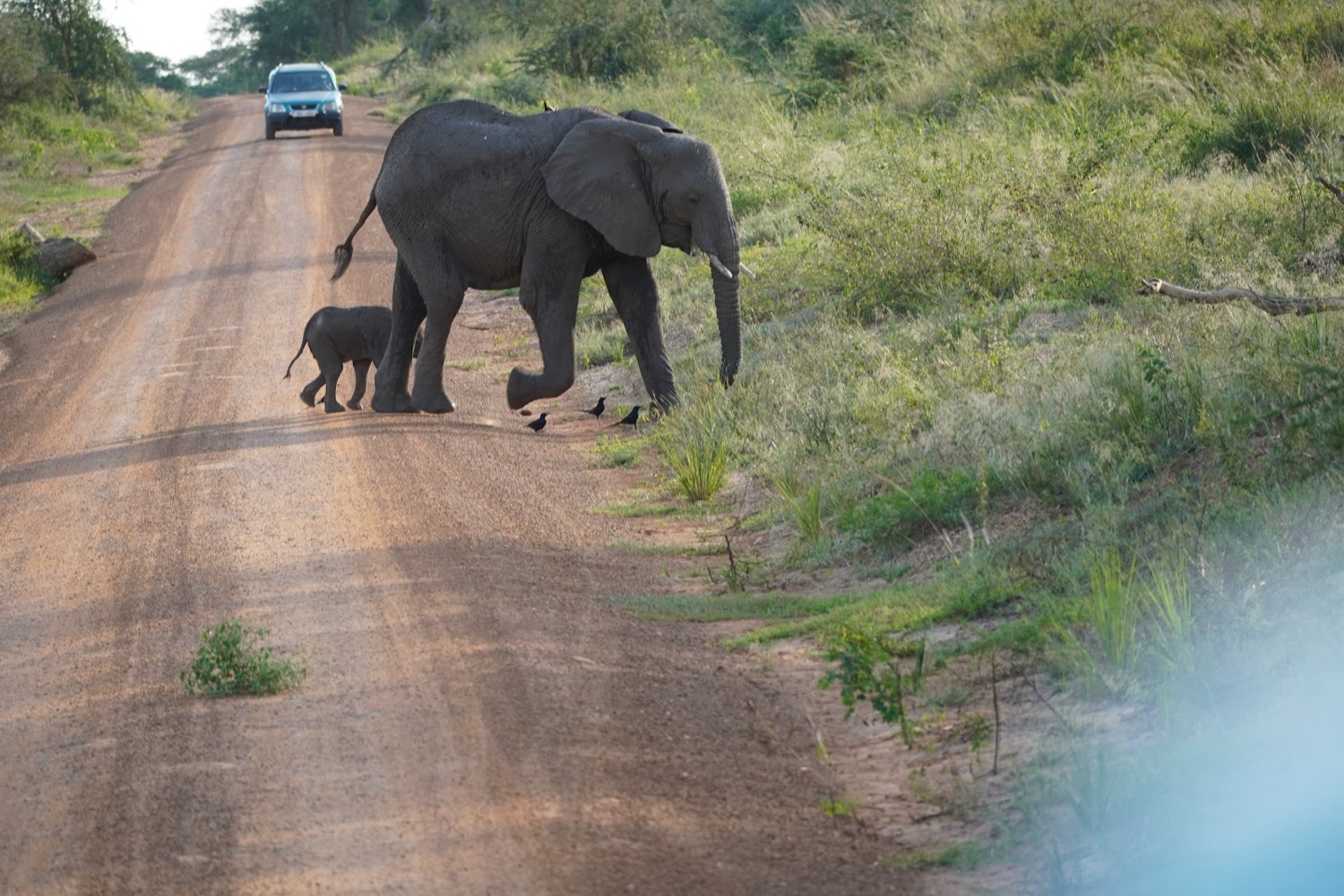
One night in Kigali (the Lemigo or Serena are solid mid-range choices, hotels from €80), then drive 2.5 hours east. Akagera's lake circuit takes a full morning: hippos wallowing at the edge of Lake Ihema, elephants crossing between the acacia stands, lions patrolling the northern savannah. The lions were reintroduced from South Africa in 2015 and are now breeding steadily. Park entry costs USD 40 per person per day. For current fee schedules, the Rwanda Development Board keeps the official rates updated.
Days 3-5: Nyungwe Forest
The drive south-west from Akagera via Kigali takes 5-6 hours total. Book a dawn chimp trek for day 4: permits cost USD 150 per person and groups set off at 5am. The Kamiranzovu canopy walk (USD 60) works well on day 5, a gentler option that still puts you 50 metres above the forest floor with a completely different perspective on the same ecosystem. Three nights here is better than two because you want one morning free of an alarm.
Days 6-7: Volcanoes National Park
North from Nyungwe, 3.5 hours. Rwanda's gorilla sector sits inside the Virunga Massif. The permit costs USD 1,500 per person per trek, which funds ranger salaries, community programmes and the long-term habituation work that makes these encounters possible. Your trek family is allocated on the morning: some groups are 45 minutes from the trailhead, others take four hours of steep climbing. You never know which until you arrive, so build the entire day around it.
Days 8-9: Bwindi Impenetrable Forest, Uganda
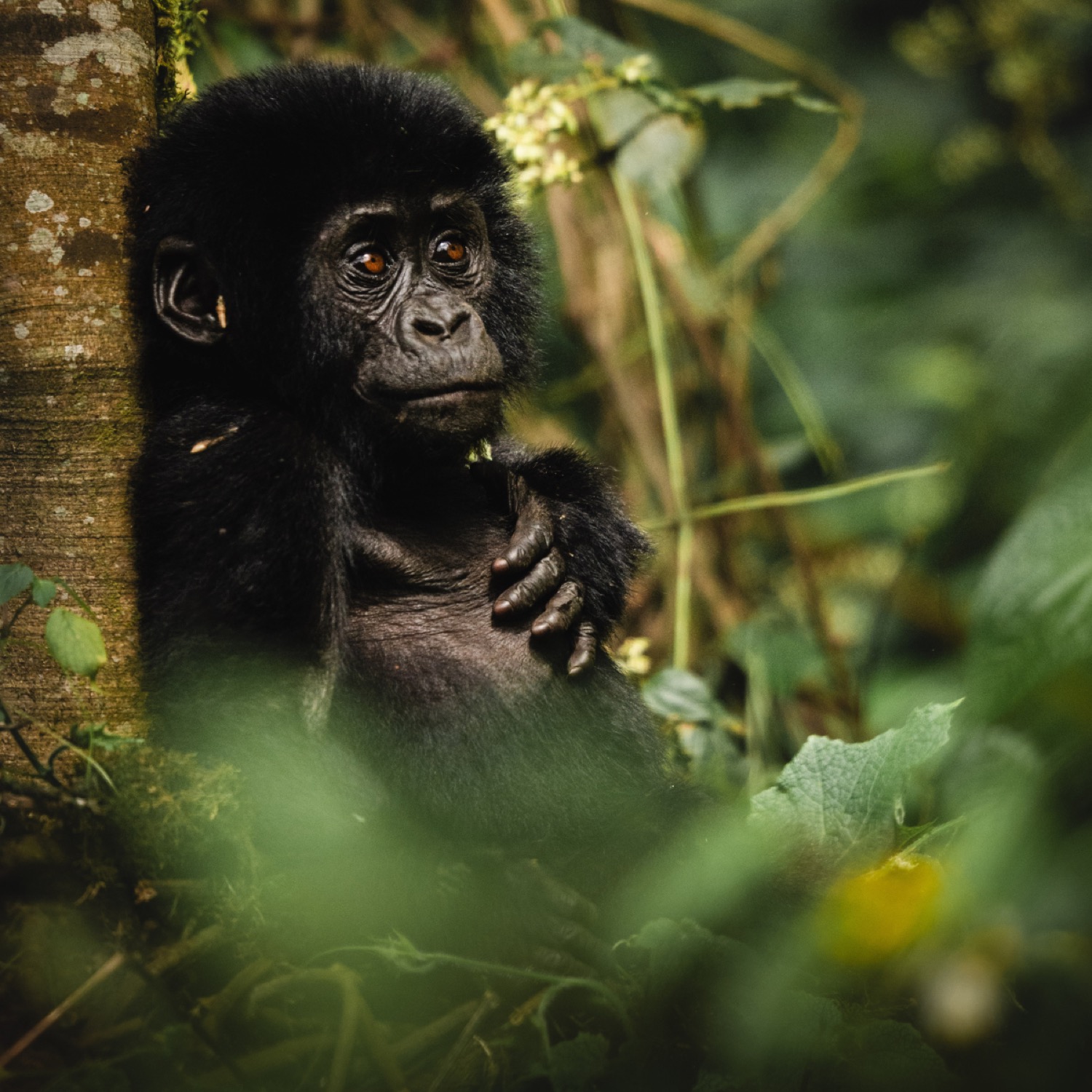
Cross at Cyanika or Katuna with an East Africa Tourist Visa. Bwindi's southern sectors, Rushaga and Nkuringo, feel looser than Volcanoes: the forest is denser, the trails less defined, and the families here tend to sit lower on the slopes, which changes the character of the whole morning. Permits cost USD 800. We work with two community lodges in Rushaga at around USD 180-220 per night full-board.
Day 10: Border crossing back to Kigali
Kabale to the border, then Kigali: allow 4.5 hours and leave Rushaga by 8am. International flights from Kigali cluster in the evening window (RwandAir and Kenya Airways both depart after 18:00 on most routes), so the timing is comfortable.
What does this 10-day Rwanda safari actually cost?
The permits are fixed costs regardless of your accommodation tier. Everything else scales with comfort level.
| Item | Mid-range | Luxury |
|---|---|---|
| Rwanda gorilla permit (x1) | USD 1,500 | USD 1,500 |
| Uganda gorilla permit/Bwindi (x1) | USD 800 | USD 800 |
| Chimp trekking permit, Nyungwe | USD 150 | USD 150 |
| Accommodation, 9 nights | USD 120-250/night | USD 450-900/night |
| Private 4x4 and driver-guide, 10 days | USD 1,000-1,400 | USD 1,400-1,800 |
| Park fees (Akagera, Nyungwe) | approx. USD 200 | approx. USD 200 |
| Meals (most included at lodges) | USD 0-30/day extra | Included |
| Total per person estimate | €4,800-€6,200 | €8,500-€12,000+ |
Flights from Barcelona to Kigali, usually via Nairobi, Addis Ababa or Doha, run €700-€1,100 return and sit outside the above figures. Permits are the element that catches people off guard. For June to September dates, we start booking gorilla permits 7-9 months out. Rwanda's USD 1,500 slot fills faster than Bwindi's USD 800 one, but neither waits for last-minute planners.
When is the right season for this route?
June to September is the practical choice for two reasons that work together: trails dry out and Akagera's grasses thin, which sharpens animal sightings across the board. January and February offer a shorter dry window with fewer visitors and lodge rates that drop 10-15% from the peak-season ceiling.
April and May are the months we steer clients away from. Nyungwe's trails turn slick enough that the canopy walk sometimes closes, and Akagera's dirt tracks flood after sustained rain. November is workable on a tighter budget but expect mud on both the forest hikes.
Is this trip suitable for first-time safari travellers?
The game drives in Akagera ask nothing physical of you. Nyungwe's chimp trek involves 2-4 hours of forest walking on uneven ground at around 1,800m altitude. Gorilla trekking is the hardest day: up to 6 hours on steep, muddy slopes at 2,000-2,500m, no shade. We ask clients about fitness honestly because a difficult trek affects the pace for the whole group.
How we do it
If you want to travel it with us: 10 days, from 4.195 € per person. Uganda - The Wild Jungle
Rangers set the pace and porters are available at both Volcanoes and Bwindi for USD 10-15. Most people who prepare with a few weeks of hill walking get through it without difficulty. The ones who struggle most are those who assumed the park fee covered the fitness requirement.
How does this itinerary support conservation on the ground?
The Dian Fossey Gorilla Fund estimates gorilla tourism generates over USD 400 million annually for the region. Rwanda's permit revenue funds ranger salaries, anti-poaching patrols and community healthcare programmes around the Virunga buffer zone. In Akagera, African Parks has co-managed the park since 2010, restoring lions, black rhinos and expanding the elephant population over that period.
Staying in Rushaga's community lodges means the accommodation spend stays within 5km of the forest. That geographic proximity is the practical difference: money spent at a remote commercial lodge leaves the district faster than you do.
Take a look at the full trip page or send us a message on WhatsApp to talk through dates and permit availability for the sequence that works for you.
FAQ
Do I need a separate Uganda visa to cross into Bwindi?
The East Africa Tourist Visa (USD 100) covers Rwanda, Uganda and Kenya and is the simplest solution for this itinerary. Individual e-visas are an option, but the combined visa is cheaper when you add the totals and involves one application rather than two. Apply online before departure; processing typically takes 3-5 working days.
Can I do gorilla trekking twice on this trip?
Yes, that's the specific design here: one trek in Volcanoes National Park at USD 1,500 and one in Bwindi at USD 800, each with a different habituated family. The two forests feel nothing alike. Bwindi is denser and the slopes are less manicured; Volcanoes is higher and more open at the forest edge. The second trek genuinely feels like a different experience, not a repeat.
How far in advance should I book gorilla permits?
For June to September, start the process 7-9 months before travel. Rwanda's USD 1,500 permits cap at eight people per family per day across a limited number of habituated families. Bwindi has more families and moves slightly slower, but peak-season slots still go 4-6 months out. We manage permit applications as part of every package we build.
Is Rwanda safe for tourists?
Rwanda sits at the safer end of the East Africa spectrum. Kigali has low petty crime, well-maintained roads and reliable infrastructure. National parks operate with armed ranger escorts on all treks. Standard travel precautions apply: keep valuables secure and follow ranger guidance in the parks. Check your government's current travel advisory before departure for the most recent assessment.
What vaccinations do I need before travelling to Rwanda?
Yellow fever vaccination is compulsory if you arrive from a country on the endemic list. Your GP or travel health clinic will advise on additional vaccines for your specific travel history. Malaria prophylaxis matters most for Akagera, which sits at lower altitude than the gorilla parks, though risk exists across the whole itinerary. Book that appointment at least 6 weeks before departure to leave time for any course of tablets to start.
Your next step
If you want to travel it with us: 10 days, from 4.195 € per person. Uganda - The Wild Jungle
10-Day Rwanda Safari: Why the Order You Visit Each Park Changes Everything
Most Rwanda itineraries list the same three parks and call it done. The part nobody talks about is the order. Get the sequence wrong and you spend your gorilla trek mentally drained from a long border crossing the night before, or you leave the canopy forest feeling flat because it came after the gorilla high rather than before it. Ten days is enough to do this properly. Budget from €4,800 per person mid-range; luxury starts around €8,500. The dry season, June to September, gives the most reliable trekking conditions.
| Detail | Info |
|---|---|
| Best months | June-September (long dry), January-February (short dry) |
| Price range | €4,800-€10,000+ per person all-in |
| Duration | 10 days / 9 nights |
| Gorilla permit | USD 1,500 (Rwanda) or USD 800 (Uganda/Bwindi) |
| Closest airport | Kigali International (KGL) |
| Visa | East Africa Tourist Visa (USD 100) or Rwanda e-visa (USD 50) |
| Currency | Rwandan Franc (RWF); USD and EUR widely accepted |
Why does the order you visit these parks matter?
Ending with gorillas works better psychologically. You want that encounter to sit with you on the flight home, not fade behind two more days of game drives. Starting in Akagera also makes practical sense: you arrive from Kigali after a 2.5-hour drive while you're still fresh and jet-lagged enough to wake at 5am without effort. Nyungwe in the middle gives your legs a relative recovery day on the canopy walk before the serious climbing begins.
We've tested both directions with clients. The group that starts in Akagera rates the overall trip higher on post-safari feedback. The difference is subtle but it shows up reliably.
What does the day-by-day plan look like?
Here is the circuit we run. It has flexibility built in, but the backbone stays fixed.
Days 1-2: Kigali arrival, then Akagera
One night in Kigali (the Lemigo or Serena are solid mid-range choices, hotels from €80), then drive 2.5 hours east. Akagera's lake circuit takes a full morning: hippos wallowing at the edge of Lake Ihema, elephants crossing between the acacia stands, lions patrolling the northern savannah. The lions were reintroduced from South Africa in 2015 and are now breeding steadily. Park entry costs USD 40 per person per day. For current fee schedules, the Rwanda Development Board keeps the official rates updated.
Days 3-5: Nyungwe Forest
The drive south-west from Akagera via Kigali takes 5-6 hours total. Book a dawn chimp trek for day 4: permits cost USD 150 per person and groups set off at 5am. The Kamiranzovu canopy walk (USD 60) works well on day 5, a gentler option that still puts you 50 metres above the forest floor with a completely different perspective on the same ecosystem. Three nights here is better than two because you want one morning free of an alarm.
Days 6-7: Volcanoes National Park
North from Nyungwe, 3.5 hours. Rwanda's gorilla sector sits inside the Virunga Massif. The permit costs USD 1,500 per person per trek, which funds ranger salaries, community programmes and the long-term habituation work that makes these encounters possible. Your trek family is allocated on the morning: some groups are 45 minutes from the trailhead, others take four hours of steep climbing. You never know which until you arrive, so build the entire day around it.
Days 8-9: Bwindi Impenetrable Forest, Uganda
Cross at Cyanika or Katuna with an East Africa Tourist Visa. Bwindi's southern sectors, Rushaga and Nkuringo, feel looser than Volcanoes: the forest is denser, the trails less defined, and the families here tend to sit lower on the slopes, which changes the character of the whole morning. Permits cost USD 800. We work with two community lodges in Rushaga at around USD 180-220 per night full-board.
Day 10: Border crossing back to Kigali
Kabale to the border, then Kigali: allow 4.5 hours and leave Rushaga by 8am. International flights from Kigali cluster in the evening window (RwandAir and Kenya Airways both depart after 18:00 on most routes), so the timing is comfortable.
What does this 10-day Rwanda safari actually cost?
The permits are fixed costs regardless of your accommodation tier. Everything else scales with comfort level.
| Item | Mid-range | Luxury |
|---|---|---|
| Rwanda gorilla permit (x1) | USD 1,500 | USD 1,500 |
| Uganda gorilla permit/Bwindi (x1) | USD 800 | USD 800 |
| Chimp trekking permit, Nyungwe | USD 150 | USD 150 |
| Accommodation, 9 nights | USD 120-250/night | USD 450-900/night |
| Private 4x4 and driver-guide, 10 days | USD 1,000-1,400 | USD 1,400-1,800 |
| Park fees (Akagera, Nyungwe) | approx. USD 200 | approx. USD 200 |
| Meals (most included at lodges) | USD 0-30/day extra | Included |
| Total per person estimate | €4,800-€6,200 | €8,500-€12,000+ |
Flights from Barcelona to Kigali, usually via Nairobi, Addis Ababa or Doha, run €700-€1,100 return and sit outside the above figures. Permits are the element that catches people off guard. For June to September dates, we start booking gorilla permits 7-9 months out. Rwanda's USD 1,500 slot fills faster than Bwindi's USD 800 one, but neither waits for last-minute planners.
When is the right season for this route?
June to September is the practical choice for two reasons that work together: trails dry out and Akagera's grasses thin, which sharpens animal sightings across the board. January and February offer a shorter dry window with fewer visitors and lodge rates that drop 10-15% from the peak-season ceiling.
April and May are the months we steer clients away from. Nyungwe's trails turn slick enough that the canopy walk sometimes closes, and Akagera's dirt tracks flood after sustained rain. November is workable on a tighter budget but expect mud on both the forest hikes.
Is this trip suitable for first-time safari travellers?
The game drives in Akagera ask nothing physical of you. Nyungwe's chimp trek involves 2-4 hours of forest walking on uneven ground at around 1,800m altitude. Gorilla trekking is the hardest day: up to 6 hours on steep, muddy slopes at 2,000-2,500m, no shade. We ask clients about fitness honestly because a difficult trek affects the pace for the whole group.
How we do it
If you want to travel it with us: 10 days, from 4.195 € per person. Uganda - The Wild Jungle
Rangers set the pace and porters are available at both Volcanoes and Bwindi for USD 10-15. Most people who prepare with a few weeks of hill walking get through it without difficulty. The ones who struggle most are those who assumed the park fee covered the fitness requirement.
How does this itinerary support conservation on the ground?
The Dian Fossey Gorilla Fund estimates gorilla tourism generates over USD 400 million annually for the region. Rwanda's permit revenue funds ranger salaries, anti-poaching patrols and community healthcare programmes around the Virunga buffer zone. In Akagera, African Parks has co-managed the park since 2010, restoring lions, black rhinos and expanding the elephant population over that period.
Staying in Rushaga's community lodges means the accommodation spend stays within 5km of the forest. That geographic proximity is the practical difference: money spent at a remote commercial lodge leaves the district faster than you do.
Take a look at the full trip page or send us a message on WhatsApp to talk through dates and permit availability for the sequence that works for you.
FAQ
Do I need a separate Uganda visa to cross into Bwindi?
The East Africa Tourist Visa (USD 100) covers Rwanda, Uganda and Kenya and is the simplest solution for this itinerary. Individual e-visas are an option, but the combined visa is cheaper when you add the totals and involves one application rather than two. Apply online before departure; processing typically takes 3-5 working days.
Can I do gorilla trekking twice on this trip?
Yes, that's the specific design here: one trek in Volcanoes National Park at USD 1,500 and one in Bwindi at USD 800, each with a different habituated family. The two forests feel nothing alike. Bwindi is denser and the slopes are less manicured; Volcanoes is higher and more open at the forest edge. The second trek genuinely feels like a different experience, not a repeat.
How far in advance should I book gorilla permits?
For June to September, start the process 7-9 months before travel. Rwanda's USD 1,500 permits cap at eight people per family per day across a limited number of habituated families. Bwindi has more families and moves slightly slower, but peak-season slots still go 4-6 months out. We manage permit applications as part of every package we build.
Is Rwanda safe for tourists?
Rwanda sits at the safer end of the East Africa spectrum. Kigali has low petty crime, well-maintained roads and reliable infrastructure. National parks operate with armed ranger escorts on all treks. Standard travel precautions apply: keep valuables secure and follow ranger guidance in the parks. Check your government's current travel advisory before departure for the most recent assessment.
What vaccinations do I need before travelling to Rwanda?
Yellow fever vaccination is compulsory if you arrive from a country on the endemic list. Your GP or travel health clinic will advise on additional vaccines for your specific travel history. Malaria prophylaxis matters most for Akagera, which sits at lower altitude than the gorilla parks, though risk exists across the whole itinerary. Book that appointment at least 6 weeks before departure to leave time for any course of tablets to start.
Your next step
If you want to travel it with us: 10 days, from 4.195 € per person. Uganda - The Wild Jungle