




How Much Does a Full Botswana Safari Circuit Cost? Real 2027 Prices
A complete Botswana safari circuit runs between €4,500 and €18,000 per person. Camp category and internal light aircraft transfers account for most of that spread. Season and park selection move the needle too, but they're secondary. This article is purely about price: what drives it, where fees hide and what you'll actually pay.
| Detail | Info |
|---|---|
| Best months | Jul, Aug, Sep (dry season, peak wildlife); Nov-Apr (green, 20-35% cheaper) |
| Price range per person | €4,500-€9,000 (mid-range) / €9,000-€18,000 (luxury) |
| Typical circuit duration | 10-14 nights |
| Parks covered | Chobe NP, Okavango Delta, Moremi GR, CKGR, Makgadikgadi |
| Closest international airports | Kasane (BBK), Maun (MUB), Gaborone (GBE) |
| Visa for EU/UK/US citizens | Visa-free up to 90 days |
| Currency | Botswana Pula (BWP); USD and EUR widely accepted at camps |
What does a Botswana safari package price actually include?
Most packages are sold fully inclusive: accommodation, all meals, morning and afternoon game drives, selected activities and light aircraft transfers between parks. What they do not include is your international flight to Maun or Kasane, travel insurance, tips and personal drinks beyond the house selection. We spell this out line by line before you commit, because the gap between headline price and total cost matters here more than on almost any other destination.
Park fees are sometimes bundled, sometimes not. Chobe National Park entry for international visitors runs around USD 15 per person per day. Moremi Game Reserve adds roughly USD 15-20 per day. Premium camps pre-pay these inside the nightly rate; budget camps list them separately. Always confirm before signing.
What are the real per-night costs at each camp tier?
The camp you choose does more to set your final bill than anything else. Here is how the tiers break down for a 12-night circuit at peak season rates:
| Tier | Example camps | Approx. per person/night (peak) | What you get |
|---|---|---|---|
| Budget / mobile tented | Ker & Downey mobile, Linyanti Expeditions | USD 350-600 | Dome tents, shared ablutions, strong guiding |
| Mid-range | Savute Elephant Lodge, Xakanaxa Camp | USD 600-1,200 | En-suite tents, pool, quality food, 2 activities/day |
| Luxury / private | Mombo Camp, Duba Plains, Vumbura Plains | USD 1,200-2,500+ | Private plunge pools, exclusive concessions, dedicated vehicle |
Light aircraft transfers between camps add USD 200-500 per person per leg. On a three-park circuit that typically means four flights: budget an extra USD 800-2,000 per person. Road transfers by 4x4 are cheaper and work between Kasane and Maun (roughly five hours on a good day), but the Delta has no road access at all. At least one flight is unavoidable, and that's before you factor in the inter-camp hops.
How do park fees and conservation levies affect the total?
On top of park entry, Botswana charges a daily conservation levy per person on private concessions. From 2025, those rates sit around USD 30-50 per person per day, varying by concession agreement. At Vumbura Plains or Mombo, it's folded into the nightly rate without a separate line item. At smaller owner-operated camps you sometimes see it itemised. Either way, on a 12-night circuit where 10 nights fall inside concessions, that's USD 300-500 per person just in levies, before accommodation or flights.
The fees are deliberately high. The Botswana Tourism Organisation runs a low-volume, high-value model that channels money into anti-poaching operations and community trusts around the Okavango. In concessions like Kwando and NG32, local communities hold equity stakes. The guides know the land because it is theirs, you notice it quickly.
What does a realistic 12-night Botswana circuit cost in 2027?
Real numbers for two people flying from Barcelona in August 2027, mid-range camps across Chobe, Moremi and the Delta:
- International flights (Barcelona to Maun via Nairobi or Johannesburg): roughly €900-1,400 per person return
- 12 nights accommodation, fully inclusive, mid-range: approx. USD 800/night double occupancy = USD 9,600 total, split two ways = USD 4,800 per person
- Internal light aircraft transfers, four legs: USD 1,200-1,800 per person
- Tips for guide, tracker and camp staff: USD 20-30 per person per day, so USD 240-360 over 12 nights
- Travel insurance: €80-150 per person
All in: roughly €7,500-€9,500 per person at mid-range in peak season. Luxury camps push that to €13,000-€18,000. Green season mid-range brings it to €5,500-€7,000.
Does green season (November to April) make financial sense?
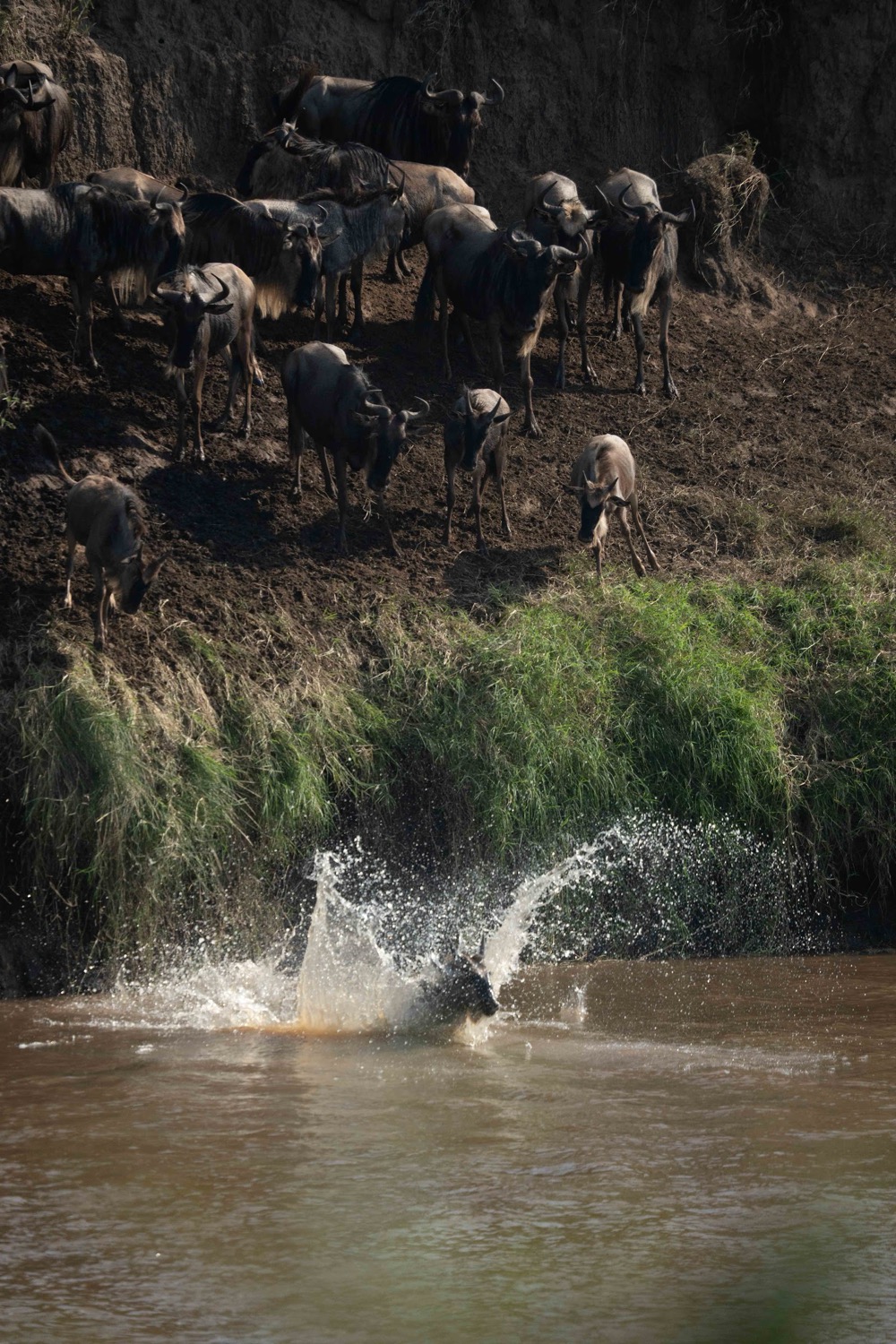
Prices drop 20-35% outside peak, which on these numbers is a meaningful saving. We were in the Okavango in January and had a camp almost to ourselves: eight tents, two other couples. The sightings required more patience, thick vegetation, predators ranging wider, but the birdlife was extraordinary and the light at that time of year is unlike anything you get in the dry season.
November and April are the strongest shoulder options. The rains are lighter than mid-green-season, prices are already reduced and the camps are quiet. A mid-range November circuit typically runs 25-30% below the equivalent August itinerary. If the budget ceiling matters more than a guaranteed lion sighting every morning, the shoulders are the answer.
Can you do Botswana on a tighter budget?
Self-drive camping in Chobe and the CKGR is legal and well-established, especially for travellers arriving from South Africa with their own 4x4 and gear. Camping fees inside national parks run USD 30-50 per person per night. The Okavango Delta is a separate question entirely: there is no road in. A licensed guide and mokoro operator are non-negotiable, starting from USD 120-200 per person per day at the budget end. A 10-night trip pairing self-drive in Chobe with a guided Delta section comes in at roughly USD 2,500-3,500 per person, excluding international flights.
Push further below that and you start making trade-offs on safety or guiding quality that tend to frustrate people once they're on the ground.
FAQ
How far in advance should I book for August 2027?
Twelve to eighteen months for top-tier camps in peak season. Mombo, Duba Plains and Vumbura Plains sell out fast, sometimes within hours of the booking window opening for a new season. Mid-range camps in prime concessions are typically gone 9-12 months out. If you're reading this in late 2026, the time to act is now.
Do I need a visa to visit Botswana from the EU or UK?
EU, UK and US passport holders enter Botswana visa-free for up to 90 days. You need a valid passport with at least six months remaining. For current entry requirements and any transit conditions through South Africa, check the Government of Botswana portal before you travel. Our article on Botswana travel requirements covers health documentation in more detail.
Is Botswana safe for solo travellers or families with children?
Botswana is one of Africa's most politically stable countries. Most upmarket camps accept children aged 6 and over on game drives, with some setting the minimum at 12 for walking safaris. Solo travellers pay a single supplement of 50-70% of the per-person sharing rate, which adds up fast. We regularly pair solo clients with compatible travel companions to reduce that cost.
What is the best single area if I only have 5 nights?
The Okavango Delta. The mokoro experience on the channels, the floodplain drives and the sheer scale of the water system are what make Botswana different from every other safari country. Chobe is easier to access from Kasane and delivers outstanding elephant sightings, but if you have one trip to Botswana, the Delta is where to spend it.
Are tips and gratuities included in safari package prices?
Almost never. Tips are always separate and are a genuine part of the local economy. The standard range is USD 20-30 per person per day, split between your guide, tracker and camp staff. On a 12-night trip that's USD 240-360 per person. Factor it in from the start so it doesn't land as a surprise on the last morning.
How Much Does a Full Botswana Safari Circuit Cost? Real 2027 Prices
A complete Botswana safari circuit runs between €4,500 and €18,000 per person. Camp category and internal light aircraft transfers account for most of that spread. Season and park selection move the needle too, but they're secondary. This article is purely about price: what drives it, where fees hide and what you'll actually pay.
| Detail | Info |
|---|---|
| Best months | Jul, Aug, Sep (dry season, peak wildlife); Nov-Apr (green, 20-35% cheaper) |
| Price range per person | €4,500-€9,000 (mid-range) / €9,000-€18,000 (luxury) |
| Typical circuit duration | 10-14 nights |
| Parks covered | Chobe NP, Okavango Delta, Moremi GR, CKGR, Makgadikgadi |
| Closest international airports | Kasane (BBK), Maun (MUB), Gaborone (GBE) |
| Visa for EU/UK/US citizens | Visa-free up to 90 days |
| Currency | Botswana Pula (BWP); USD and EUR widely accepted at camps |
What does a Botswana safari package price actually include?
Most packages are sold fully inclusive: accommodation, all meals, morning and afternoon game drives, selected activities and light aircraft transfers between parks. What they do not include is your international flight to Maun or Kasane, travel insurance, tips and personal drinks beyond the house selection. We spell this out line by line before you commit, because the gap between headline price and total cost matters here more than on almost any other destination.
Park fees are sometimes bundled, sometimes not. Chobe National Park entry for international visitors runs around USD 15 per person per day. Moremi Game Reserve adds roughly USD 15-20 per day. Premium camps pre-pay these inside the nightly rate; budget camps list them separately. Always confirm before signing.
What are the real per-night costs at each camp tier?
The camp you choose does more to set your final bill than anything else. Here is how the tiers break down for a 12-night circuit at peak season rates:
| Tier | Example camps | Approx. per person/night (peak) | What you get |
|---|---|---|---|
| Budget / mobile tented | Ker & Downey mobile, Linyanti Expeditions | USD 350-600 | Dome tents, shared ablutions, strong guiding |
| Mid-range | Savute Elephant Lodge, Xakanaxa Camp | USD 600-1,200 | En-suite tents, pool, quality food, 2 activities/day |
| Luxury / private | Mombo Camp, Duba Plains, Vumbura Plains | USD 1,200-2,500+ | Private plunge pools, exclusive concessions, dedicated vehicle |
Light aircraft transfers between camps add USD 200-500 per person per leg. On a three-park circuit that typically means four flights: budget an extra USD 800-2,000 per person. Road transfers by 4x4 are cheaper and work between Kasane and Maun (roughly five hours on a good day), but the Delta has no road access at all. At least one flight is unavoidable, and that's before you factor in the inter-camp hops.
How do park fees and conservation levies affect the total?
On top of park entry, Botswana charges a daily conservation levy per person on private concessions. From 2025, those rates sit around USD 30-50 per person per day, varying by concession agreement. At Vumbura Plains or Mombo, it's folded into the nightly rate without a separate line item. At smaller owner-operated camps you sometimes see it itemised. Either way, on a 12-night circuit where 10 nights fall inside concessions, that's USD 300-500 per person just in levies, before accommodation or flights.
The fees are deliberately high. The Botswana Tourism Organisation runs a low-volume, high-value model that channels money into anti-poaching operations and community trusts around the Okavango. In concessions like Kwando and NG32, local communities hold equity stakes. The guides know the land because it is theirs, you notice it quickly.
What does a realistic 12-night Botswana circuit cost in 2027?
Real numbers for two people flying from Barcelona in August 2027, mid-range camps across Chobe, Moremi and the Delta:
- International flights (Barcelona to Maun via Nairobi or Johannesburg): roughly €900-1,400 per person return
- 12 nights accommodation, fully inclusive, mid-range: approx. USD 800/night double occupancy = USD 9,600 total, split two ways = USD 4,800 per person
- Internal light aircraft transfers, four legs: USD 1,200-1,800 per person
- Tips for guide, tracker and camp staff: USD 20-30 per person per day, so USD 240-360 over 12 nights
- Travel insurance: €80-150 per person
All in: roughly €7,500-€9,500 per person at mid-range in peak season. Luxury camps push that to €13,000-€18,000. Green season mid-range brings it to €5,500-€7,000.
Does green season (November to April) make financial sense?
Prices drop 20-35% outside peak, which on these numbers is a meaningful saving. We were in the Okavango in January and had a camp almost to ourselves: eight tents, two other couples. The sightings required more patience, thick vegetation, predators ranging wider, but the birdlife was extraordinary and the light at that time of year is unlike anything you get in the dry season.
November and April are the strongest shoulder options. The rains are lighter than mid-green-season, prices are already reduced and the camps are quiet. A mid-range November circuit typically runs 25-30% below the equivalent August itinerary. If the budget ceiling matters more than a guaranteed lion sighting every morning, the shoulders are the answer.
Can you do Botswana on a tighter budget?
Self-drive camping in Chobe and the CKGR is legal and well-established, especially for travellers arriving from South Africa with their own 4x4 and gear. Camping fees inside national parks run USD 30-50 per person per night. The Okavango Delta is a separate question entirely: there is no road in. A licensed guide and mokoro operator are non-negotiable, starting from USD 120-200 per person per day at the budget end. A 10-night trip pairing self-drive in Chobe with a guided Delta section comes in at roughly USD 2,500-3,500 per person, excluding international flights.
Push further below that and you start making trade-offs on safety or guiding quality that tend to frustrate people once they're on the ground.
FAQ
How far in advance should I book for August 2027?
Twelve to eighteen months for top-tier camps in peak season. Mombo, Duba Plains and Vumbura Plains sell out fast, sometimes within hours of the booking window opening for a new season. Mid-range camps in prime concessions are typically gone 9-12 months out. If you're reading this in late 2026, the time to act is now.
Do I need a visa to visit Botswana from the EU or UK?
EU, UK and US passport holders enter Botswana visa-free for up to 90 days. You need a valid passport with at least six months remaining. For current entry requirements and any transit conditions through South Africa, check the Government of Botswana portal before you travel. Our article on Botswana travel requirements covers health documentation in more detail.
Is Botswana safe for solo travellers or families with children?
Botswana is one of Africa's most politically stable countries. Most upmarket camps accept children aged 6 and over on game drives, with some setting the minimum at 12 for walking safaris. Solo travellers pay a single supplement of 50-70% of the per-person sharing rate, which adds up fast. We regularly pair solo clients with compatible travel companions to reduce that cost.
What is the best single area if I only have 5 nights?
The Okavango Delta. The mokoro experience on the channels, the floodplain drives and the sheer scale of the water system are what make Botswana different from every other safari country. Chobe is easier to access from Kasane and delivers outstanding elephant sightings, but if you have one trip to Botswana, the Delta is where to spend it.
Are tips and gratuities included in safari package prices?
Almost never. Tips are always separate and are a genuine part of the local economy. The standard range is USD 20-30 per person per day, split between your guide, tracker and camp staff. On a 12-night trip that's USD 240-360 per person. Factor it in from the start so it doesn't land as a surprise on the last morning.




.png)