





Best Time for a Safari in Kenya in 2027: What We've Learned from the Field
People ask us this question constantly, and honestly, the answer depends on what you're after. Kenya doesn't have a bad season, it has different seasons, each with its own logic and its own trade-offs. After years of guiding guests through the Masai Mara, Amboseli, Samburu and beyond, we've developed a pretty nuanced view of the calendar. Let us share it.
| Peak season | July to October |
| Shoulder season | January to February and June and November |
| Green season | March to May and December |
| Best months for Migration crossings | August and September |
| Advance booking recommended | 9 to 12 months for top Mara conservancy camps |
| Peak camp rates (per person per night) | USD 400 to 900+ |
| Shoulder camp rates (per person per night) | USD 250 to 500 |
One thing we want to be clear about up front: this article is about the planning and booking decision, when to go, how far ahead to commit, and which season suits your priorities. If you want the full story of what actually happens at the Mara River crossings once you're there, we have a dedicated piece on that. Here, we're focused on helping you make the right call before you book.
What Is the Best Time to Go on Safari in Kenya?
The dry seasons, July to October and January to February, are generally the best times for wildlife viewing in Kenya. Vegetation is sparse, animals concentrate around water sources, and if the Great Migration is on your list, the Masai Mara is where it peaks between July and September. That said, the green seasons offer lush landscapes, lower prices, fewer crowds, and exceptional birdlife. The "best" month genuinely depends on your priorities, and your budget.
The Long Dry Season (July–October): When to Book and What to Expect
This is the window most travellers aim for, and the demand is real. The long dry season brings thin grass, concentrated wildlife, and, if you time it right, the wildebeest crossing the Mara River from Tanzania's Serengeti. We have a full guide to the crossing itself, but from a planning perspective, the key facts are these: the herds typically arrive in the Mara from late July, peak crossings happen through August and September, and by late October they're largely heading south again. Book for August or September if the Migration is your goal.
Daytime temperatures sit at 20–28 °C, skies are reliably clear, and morning game drives in particular are extraordinary. Now for the honest part: lodges charge peak rates. Full-board tented camps in the Masai Mara run $400–$900+ per person per night during migration season, and the top conservancy camps, Ol Kinyei, Naboisho, Olare Motorogi, fill up fast. Nine to twelve months ahead is not an exaggeration. If someone tells you six months is fine, they mean the second-tier camps.
January to February: The Quiet Window We Recommend Most Often
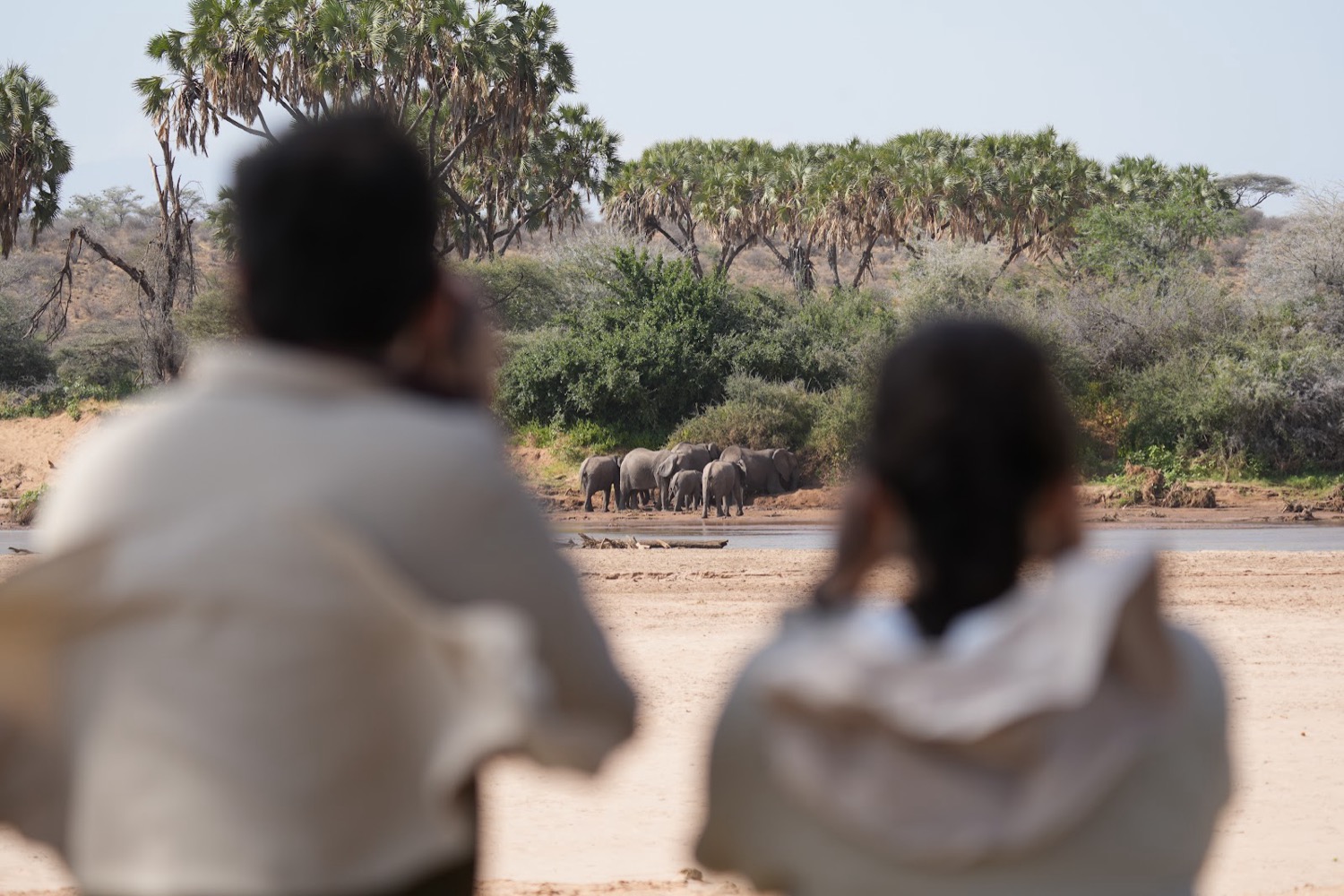
When the short rains clear in December, Kenya enters a second, shorter dry spell that most travellers overlook entirely. The Mara is noticeably quieter. Prices drop. And the wildlife doesn't suddenly get worse: if anything, Amboseli in January is one of the most visually striking experiences in East Africa: large elephant herds moving across the open floodplains, Kilimanjaro's snow cap sharp on the horizon in the early morning light, almost no other vehicles in sight. We bring guests at this time specifically because they often feel like they have the ecosystem to themselves.
Budget roughly $250–$500 per person per night at quality camps, meaningfully less than peak, and often with better service ratios because camps aren't stretched. For families or travellers with a fixed budget who still want the genuine Kenya safari experience, this window is hard to beat.
See Kenya in the Quiet Season
Our Classic Kenya Safari runs during shoulder season, giving you excellent wildlife, smaller crowds, and real value for money. 6 days, from 2.250 € per person. Kenya - Classic Safari
The Green Seasons: What You Gain, What You Manage
March to May: The Long Rains
The long rains arrive in March and intensify through April into May. Some Mara tracks become impassable, and a handful of camps close entirely for maintenance, worth checking before you book. Amboseli and Samburu drain faster and usually stay accessible throughout. This is Kenya at its most fertile: vivid green landscapes, newborn animals stumbling around everywhere, and migrant birds arriving in extraordinary numbers. Prices can be 30–50% lower than peak. We know photographers who choose April deliberately for the dramatic skies and the quality of light after a shower.
November to Early December: Underrated Value
The short rains are shorter and less predictable than the long rains, typically afternoon showers rather than all-day downpours. Most camps stay open, tracks remain driveable, and this is arguably the best-value window to visit the Masai Mara while still seeing lion, leopard, elephant and cheetah activity at a high level. The wildebeest have returned to Tanzania by now, but that also means fewer safari vehicles chasing the same sightings. Prices fall into the $200–$450 range per person per night at most mid-level camps.
Which Kenya Safari Destination Suits Which Season?
Kenya is not just the Masai Mara, and matching destination to season changes the whole trip.
- Masai Mara: July–October for the Migration window; January–February for quieter luxury. Avoid April if you need certainty about track conditions.
- Amboseli: January–February and June–October. Kilimanjaro views clear fastest in the morning during the dry season, clouds usually build by 10am. Full destination detail in our Amboseli guide.
- Samburu: Best September–March. The Ewaso Ng'iro River drops significantly in the dry months, which pushes Grevy's zebra down from the hills to drink near Archer's Post, late September through October gives you the best concentration of these rare animals alongside reticulated giraffe in the riverine woodland. Difficult in April–May.
- Laikipia Plateau: Works well most of the year. In September, the northern conservancies, particularly Lewa and Ol Pejeta, concentrate large elephant herds at their remaining waterholes, and night drives (permitted here, unlike national parks) add a completely different dimension to the experience.
- Tsavo East and West: June–October for the classic red-dust dry season elephant sightings. Tsavo East's Galana River becomes the focal point, enormous herds gather there from August onwards. Vast, wild, and genuinely uncrowded.
What Are Safari Costs in Kenya by Season?
As a rough guide for 2027, all figures are per person per night on a full-board basis:
- Peak (July–October): $400–$900+ at mid-to-luxury tented camps in the Mara.
- Shoulder (January–February, June, November): $250–$500.
- Green season (March–May, December): $150–$350, with many camps offering free-night promotions.
Park fees are on top of accommodation. Masai Mara conservancies charge around $100–$150 per person per day in conservancy fees, it sounds steep, but those fees directly fund anti-poaching and community programmes, and the off-road driving and exclusive access they unlock are genuinely worth it.
Is Kenya Good for Safari in the Rainy Season?
Yes, genuinely, with some honest caveats. We took a small group to the northern Mara in early April a couple of years back, camping at Rekero on the Talek River. One afternoon game drive got rained out around 4pm, we were soaked through before our guide Daniel could get the roof down, but that evening, huddled around the fire with the rain on the tent canvas, the camp felt like it belonged entirely to us. The next morning, just after six, Daniel picked up fresh leopard tracks near the lugga behind camp and we found her twenty minutes later, still on a kill in a fever tree. Three vehicles in the entire park that week. What you lose in ease you gain in something harder to describe.
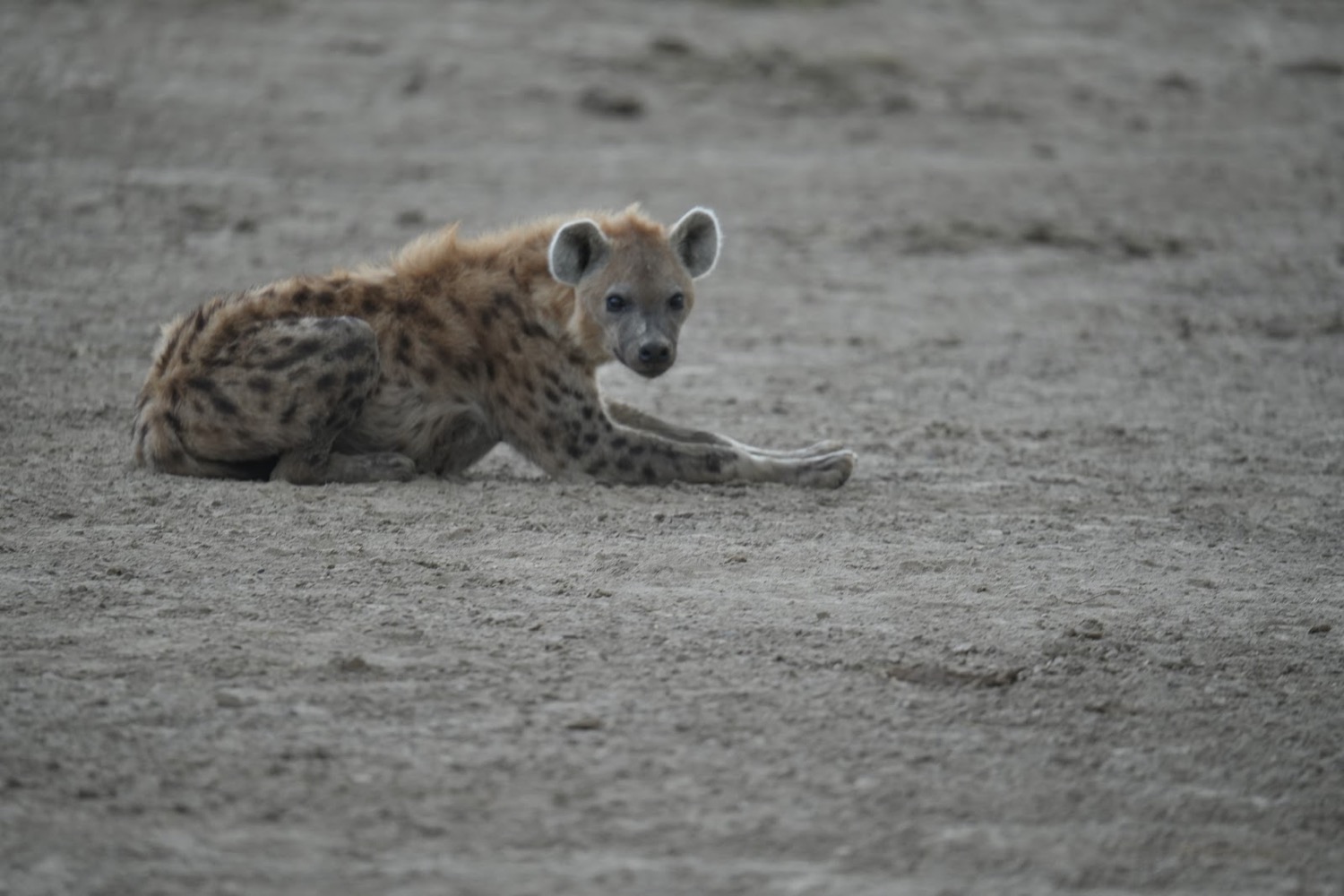
The practical rules: choose a camp on higher ground with good drainage, travel with a guide who knows the terrain in all conditions, and keep at least one day in your itinerary flexible.
Our Honest Recommendation for 2027
If the Great Migration is your dream, book the Masai Mara for August or September 2027, 9 days, from 2.995 € per person. If you haven't already, prioritise a conservancy camp over the main reserve for off-road access. For extraordinary wildlife without the peak-season price, late January or early February is where we consistently send guests who come back happiest. Birders, photographers, and travellers who value space over spectacle should seriously consider April in Amboseli or Samburu. Kenya delivers in every month, it just delivers differently.
Frequently Asked Questions
When should I book a Kenya safari to secure the best Migration camps?
For July–September at the top Masai Mara conservancy camps, Ol Kinyei, Naboisho, Olare Motorogi, book 9–12 months in advance. These camps have very limited beds by design, and popular departure dates (especially August long weekends) go to repeat clients or waiting lists before they're publicly listed. For shoulder and green-season trips, 3–6 months is usually sufficient, though even off-peak, the smaller exclusive camps fill faster than people expect. Our general rule: if you have fixed travel dates, book the moment you're certain.
What month is best for the Great Migration in Kenya?
August and September see the highest frequency of Mara River crossings. July often brings the first crossings, but they can be sporadic. By late October the herds are moving south. For the full breakdown of crossing locations and what to expect on the ground, see our dedicated Mara River crossings guide.
Is it worth going on safari in Kenya outside peak season?
Absolutely. Lower prices, fewer vehicles at sightings, lush scenery, superb birdlife, and an intimacy that peak season simply can't offer. Some of the most memorable safaris we've run happened in April and November.
What is the weather like in Kenya in July?
July is the heart of the dry season in the highlands, cool, clear and dusty. In the Masai Mara expect around 12 °C before dawn and up to 26 °C by mid-afternoon. The mornings are genuinely cold on open game-drive vehicles; a fleece and a windproof layer are not optional. The Mara can also get foggy before sunrise in July, which makes for atmospheric photography but occasionally delays early departures by twenty minutes or so.
Ready to Plan Your 2027 Kenya Safari?
From the Mara River crossings to the quieter gems of Samburu and Amboseli, our Kenya Star Route covers the highlights across nine days. 9 days, from 2.995 € per person. Kenya - Star Route
Best Time for a Safari in Kenya in 2027: What We've Learned from the Field
People ask us this question constantly, and honestly, the answer depends on what you're after. Kenya doesn't have a bad season, it has different seasons, each with its own logic and its own trade-offs. After years of guiding guests through the Masai Mara, Amboseli, Samburu and beyond, we've developed a pretty nuanced view of the calendar. Let us share it.
| Peak season | July to October |
| Shoulder season | January to February and June and November |
| Green season | March to May and December |
| Best months for Migration crossings | August and September |
| Advance booking recommended | 9 to 12 months for top Mara conservancy camps |
| Peak camp rates (per person per night) | USD 400 to 900+ |
| Shoulder camp rates (per person per night) | USD 250 to 500 |
One thing we want to be clear about up front: this article is about the planning and booking decision, when to go, how far ahead to commit, and which season suits your priorities. If you want the full story of what actually happens at the Mara River crossings once you're there, we have a dedicated piece on that. Here, we're focused on helping you make the right call before you book.
What Is the Best Time to Go on Safari in Kenya?
The dry seasons, July to October and January to February, are generally the best times for wildlife viewing in Kenya. Vegetation is sparse, animals concentrate around water sources, and if the Great Migration is on your list, the Masai Mara is where it peaks between July and September. That said, the green seasons offer lush landscapes, lower prices, fewer crowds, and exceptional birdlife. The "best" month genuinely depends on your priorities, and your budget.
The Long Dry Season (July–October): When to Book and What to Expect
This is the window most travellers aim for, and the demand is real. The long dry season brings thin grass, concentrated wildlife, and, if you time it right, the wildebeest crossing the Mara River from Tanzania's Serengeti. We have a full guide to the crossing itself, but from a planning perspective, the key facts are these: the herds typically arrive in the Mara from late July, peak crossings happen through August and September, and by late October they're largely heading south again. Book for August or September if the Migration is your goal.
Daytime temperatures sit at 20–28 °C, skies are reliably clear, and morning game drives in particular are extraordinary. Now for the honest part: lodges charge peak rates. Full-board tented camps in the Masai Mara run $400–$900+ per person per night during migration season, and the top conservancy camps, Ol Kinyei, Naboisho, Olare Motorogi, fill up fast. Nine to twelve months ahead is not an exaggeration. If someone tells you six months is fine, they mean the second-tier camps.
January to February: The Quiet Window We Recommend Most Often
When the short rains clear in December, Kenya enters a second, shorter dry spell that most travellers overlook entirely. The Mara is noticeably quieter. Prices drop. And the wildlife doesn't suddenly get worse: if anything, Amboseli in January is one of the most visually striking experiences in East Africa: large elephant herds moving across the open floodplains, Kilimanjaro's snow cap sharp on the horizon in the early morning light, almost no other vehicles in sight. We bring guests at this time specifically because they often feel like they have the ecosystem to themselves.
Budget roughly $250–$500 per person per night at quality camps, meaningfully less than peak, and often with better service ratios because camps aren't stretched. For families or travellers with a fixed budget who still want the genuine Kenya safari experience, this window is hard to beat.
See Kenya in the Quiet Season
Our Classic Kenya Safari runs during shoulder season, giving you excellent wildlife, smaller crowds, and real value for money. 6 days, from 2.250 € per person. Kenya - Classic Safari
The Green Seasons: What You Gain, What You Manage
March to May: The Long Rains
The long rains arrive in March and intensify through April into May. Some Mara tracks become impassable, and a handful of camps close entirely for maintenance, worth checking before you book. Amboseli and Samburu drain faster and usually stay accessible throughout. This is Kenya at its most fertile: vivid green landscapes, newborn animals stumbling around everywhere, and migrant birds arriving in extraordinary numbers. Prices can be 30–50% lower than peak. We know photographers who choose April deliberately for the dramatic skies and the quality of light after a shower.
November to Early December: Underrated Value
The short rains are shorter and less predictable than the long rains, typically afternoon showers rather than all-day downpours. Most camps stay open, tracks remain driveable, and this is arguably the best-value window to visit the Masai Mara while still seeing lion, leopard, elephant and cheetah activity at a high level. The wildebeest have returned to Tanzania by now, but that also means fewer safari vehicles chasing the same sightings. Prices fall into the $200–$450 range per person per night at most mid-level camps.
Which Kenya Safari Destination Suits Which Season?
Kenya is not just the Masai Mara, and matching destination to season changes the whole trip.
- Masai Mara: July–October for the Migration window; January–February for quieter luxury. Avoid April if you need certainty about track conditions.
- Amboseli: January–February and June–October. Kilimanjaro views clear fastest in the morning during the dry season, clouds usually build by 10am. Full destination detail in our Amboseli guide.
- Samburu: Best September–March. The Ewaso Ng'iro River drops significantly in the dry months, which pushes Grevy's zebra down from the hills to drink near Archer's Post, late September through October gives you the best concentration of these rare animals alongside reticulated giraffe in the riverine woodland. Difficult in April–May.
- Laikipia Plateau: Works well most of the year. In September, the northern conservancies, particularly Lewa and Ol Pejeta, concentrate large elephant herds at their remaining waterholes, and night drives (permitted here, unlike national parks) add a completely different dimension to the experience.
- Tsavo East and West: June–October for the classic red-dust dry season elephant sightings. Tsavo East's Galana River becomes the focal point, enormous herds gather there from August onwards. Vast, wild, and genuinely uncrowded.
What Are Safari Costs in Kenya by Season?
As a rough guide for 2027, all figures are per person per night on a full-board basis:
- Peak (July–October): $400–$900+ at mid-to-luxury tented camps in the Mara.
- Shoulder (January–February, June, November): $250–$500.
- Green season (March–May, December): $150–$350, with many camps offering free-night promotions.
Park fees are on top of accommodation. Masai Mara conservancies charge around $100–$150 per person per day in conservancy fees, it sounds steep, but those fees directly fund anti-poaching and community programmes, and the off-road driving and exclusive access they unlock are genuinely worth it.
Is Kenya Good for Safari in the Rainy Season?
Yes, genuinely, with some honest caveats. We took a small group to the northern Mara in early April a couple of years back, camping at Rekero on the Talek River. One afternoon game drive got rained out around 4pm, we were soaked through before our guide Daniel could get the roof down, but that evening, huddled around the fire with the rain on the tent canvas, the camp felt like it belonged entirely to us. The next morning, just after six, Daniel picked up fresh leopard tracks near the lugga behind camp and we found her twenty minutes later, still on a kill in a fever tree. Three vehicles in the entire park that week. What you lose in ease you gain in something harder to describe.
The practical rules: choose a camp on higher ground with good drainage, travel with a guide who knows the terrain in all conditions, and keep at least one day in your itinerary flexible.
Our Honest Recommendation for 2027
If the Great Migration is your dream, book the Masai Mara for August or September 2027, 9 days, from 2.995 € per person. If you haven't already, prioritise a conservancy camp over the main reserve for off-road access. For extraordinary wildlife without the peak-season price, late January or early February is where we consistently send guests who come back happiest. Birders, photographers, and travellers who value space over spectacle should seriously consider April in Amboseli or Samburu. Kenya delivers in every month, it just delivers differently.
Frequently Asked Questions
When should I book a Kenya safari to secure the best Migration camps?
For July–September at the top Masai Mara conservancy camps, Ol Kinyei, Naboisho, Olare Motorogi, book 9–12 months in advance. These camps have very limited beds by design, and popular departure dates (especially August long weekends) go to repeat clients or waiting lists before they're publicly listed. For shoulder and green-season trips, 3–6 months is usually sufficient, though even off-peak, the smaller exclusive camps fill faster than people expect. Our general rule: if you have fixed travel dates, book the moment you're certain.
What month is best for the Great Migration in Kenya?
August and September see the highest frequency of Mara River crossings. July often brings the first crossings, but they can be sporadic. By late October the herds are moving south. For the full breakdown of crossing locations and what to expect on the ground, see our dedicated Mara River crossings guide.
Is it worth going on safari in Kenya outside peak season?
Absolutely. Lower prices, fewer vehicles at sightings, lush scenery, superb birdlife, and an intimacy that peak season simply can't offer. Some of the most memorable safaris we've run happened in April and November.
What is the weather like in Kenya in July?
July is the heart of the dry season in the highlands, cool, clear and dusty. In the Masai Mara expect around 12 °C before dawn and up to 26 °C by mid-afternoon. The mornings are genuinely cold on open game-drive vehicles; a fleece and a windproof layer are not optional. The Mara can also get foggy before sunrise in July, which makes for atmospheric photography but occasionally delays early departures by twenty minutes or so.
Ready to Plan Your 2027 Kenya Safari?
From the Mara River crossings to the quieter gems of Samburu and Amboseli, our Kenya Star Route covers the highlights across nine days. 9 days, from 2.995 € per person. Kenya - Star Route








.png)